Pros and Cons of Longmont Colorado: Boulder County Living Without Boulder Prices
Longmont sits in that interesting middle ground where you get a Boulder County address without writing a Boulder-sized check. You're close enough to the Flatirons to see them from your backyard, close enough to Denver that the commute is possible, and far enough from both that your dollar stretches further. I spend a lot of time helping buyers figure out if Longmont is the right fit, and the answer usually comes down to what you're willing to trade off. You get more house, more practical amenities, and solid outdoor access. You give up some prestige, you deal with a real commute if you work in Denver or Boulder, and you need to be pickier about which neighborhood you choose than you might expect.
This isn't a hidden gem that nobody knows about anymore. Longmont has grown, and with that growth comes all the complexity of a city that's still figuring out its identity. Some blocks feel like established Colorado mountain towns. Others feel like they were built last year by a national developer who could've been working in Texas or Arizona. If you're relocating here, you need to know which Longmont you're buying into, because they're not all the same experience.
I'm going to walk through the four big pros that make Longmont appealing, then the four cons that trip people up after they move. This is the stuff that matters when you're actually living here, not just visiting on a sunny Saturday.
Table of Contents
- More Home for Your Money in Longmont
- Longmont Is a Practical Front Range City
- Outdoor Access, Trails, Lakes and Mountain Views
- The Community Feel of Longmont
- Longmont Isn't Cheap (Just Cheaper Than Boulder)
- The Commute Can Get Old
- Neighborhoods Vary More Than Expected
- Longmont Doesn't Have Boulder Prestige
- Which Trade-Offs Matter Most
- Final Thoughts on Living in Longmont
More Home for Your Money in Longmont
The first thing that draws people to Longmont is the price difference. You're in Boulder County, which means you're in the same school district ecosystem, the same mountain access, the same general Front Range lifestyle. But you're not paying Boulder prices. That gap is real, and for a lot of buyers, it's the entire reason they're looking here instead of twenty minutes south.
You get more square footage, a bigger lot, maybe a finished basement or a three-car garage. The same budget that gets you a 1,200-square-foot townhome in Boulder might get you a 2,000-square-foot single-family home in Longmont with a yard. If you're coming from out of state and you're used to space, Longmont starts to make sense quickly. You're not compromising on location as much as you're compromising on the name on the address.
The value proposition here is straightforward. You're buying into the Front Range without maxing out your budget, and that leaves room for other things: travel, savings, not being house-poor. For buyers who care more about the life they can live than the ZIP code they can claim, Longmont delivers.
Longmont Is a Practical Front Range City
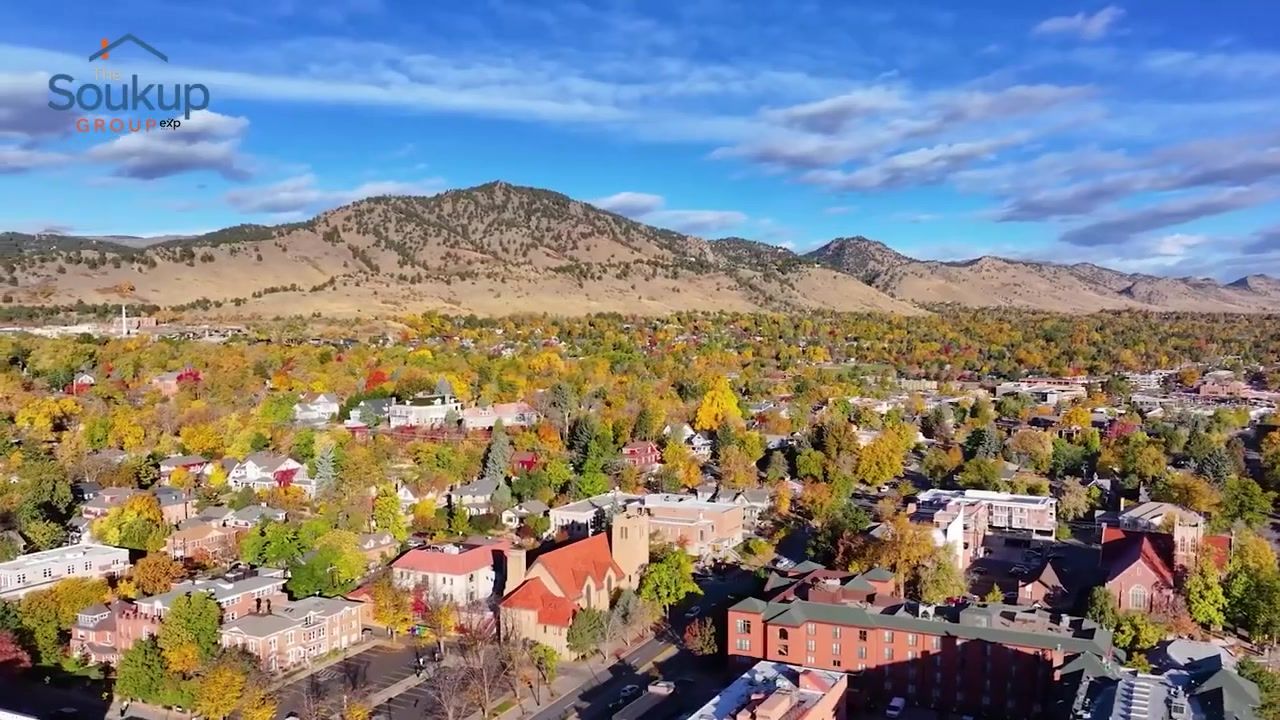
Longmont isn't trying to be Boulder. It's not trying to be a resort town or a tech hub or a place where everyone rides a $6,000 gravel bike to the farmer's market. It's a practical city with grocery stores, hardware stores, chain restaurants, and local spots that have been here for decades. You can get your errands done without driving all over the place, and that day-to-day ease matters more than people think.
There's a Main Street with local businesses, breweries, coffee shops. There are big-box stores when you need them. You're not sacrificing convenience to live here. If anything, Longmont feels more functional than some of the smaller mountain towns where you have to drive thirty minutes for a Target run. You get the Colorado lifestyle without the logistical headaches that come with true small-town living.
This is a city that works for people who have jobs, kids, routines. It's not precious about itself. You can live a normal life here and still be fifteen minutes from a trailhead. That balance is harder to find than it sounds, and Longmont nails it.
Outdoor Access, Trails, Lakes and Mountain Views
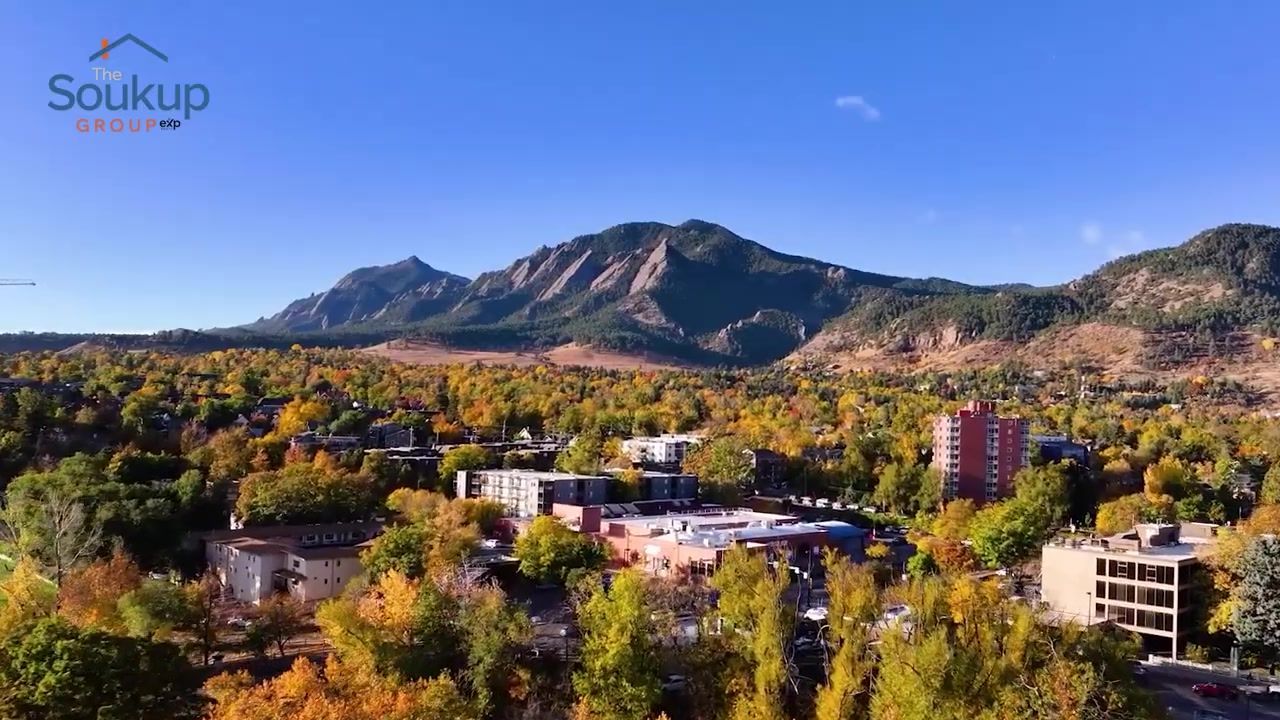
One of the biggest selling points is the outdoor access. You've got trails, open space, lakes, and mountain views that remind you every day why you moved to Colorado. You're not in the mountains, but you're close enough that a weekend trip to Rocky Mountain National Park or a quick hike in the foothills is easy. You're also close enough to Boulder's trail systems that you can tap into those without living there.
Longmont itself has parks, greenways, and lakes that get used year-round. You can bike, run, paddleboard, or just sit outside and look at the Rockies. The views are legit. You're not staring at a parking lot. You're staring at peaks, and that makes a difference in how it feels to live here.
The outdoor lifestyle is accessible without being extreme. You don't have to be a hardcore climber or backcountry skier to enjoy what's around you. You can be a casual hiker, a weekend camper, someone who just likes being outside, and Longmont gives you plenty of options. That's a big part of why people move here in the first place.
The Community Feel of Longmont
Longmont has a community feel that's harder to find in bigger Front Range cities. There are events, farmer's markets, local traditions. People know their neighbors. It's not a bedroom community where everyone disappears into their garage at night. There's a social fabric here, and if you plug into it, Longmont feels like a place, not just a place to sleep between commutes.
The city has invested in parks, recreation, arts, and local programming. There are festivals, concerts, activities for all ages. If you want to be involved, there are ways to be involved. That sense of place matters, especially if you're relocating from out of state and you're trying to build a life, not just buy a house.
This is one of those intangibles that's hard to quantify but easy to feel when you're here. Longmont has an identity. It's not just sprawl. It's not just a dot on the map between Boulder and Fort Collins. It's a city that people are proud to live in, and that shows.
Longmont Isn't Cheap (Just Cheaper Than Boulder)
Now for the reality check. Longmont is more affordable than Boulder, but it's not cheap. If you're coming from the Midwest or the South and you're expecting Colorado prices to feel reasonable, Longmont is going to surprise you. You're still in Boulder County, and that comes with a price tag. The value is better than Boulder, but it's not a bargain compared to the rest of the country.
You're looking at competitive offers, limited inventory, and prices that have climbed steadily over the last decade. The affordability advantage is relative. You're getting more for your money than you would in Boulder, but you're still spending a lot of money. If your budget is tight, Longmont might still stretch you, especially if you're trying to stay in a desirable neighborhood.
This is important to understand before you start looking. Longmont is the value play within Boulder County, but it's not a steal. You're still paying Front Range prices, and you need to be ready for that.
The Commute Can Get Old
The commute is the big trade-off that people underestimate. If you work in Denver, you're looking at 45 minutes to an hour each way on a good day. If you work in Boulder, it's 20 to 30 minutes, but that adds up over time. If you work in Fort Collins, you're looking at 30 to 40 minutes depending on where in the city your office is. Longmont is central to a lot of places, but it's not close to any of them.
The drive is manageable a few days a week. The drive five days a week, year-round, in traffic, in winter weather, starts to wear on people. I've had clients move to Longmont and love it for six months, then realize the commute is killing their quality of life. You get home later, you leave earlier, you spend more time in the car than you thought you would.
If you're remote or semi-remote, this isn't an issue. If you're commuting daily, you need to be honest with yourself about whether that's sustainable long-term. The commute is the thing that makes people leave Longmont more than anything else.
Neighborhoods Vary More Than Expected
Longmont's neighborhoods vary more than you'd expect for a city this size. Some areas are older, established, tree-lined, walkable. Others are brand-new subdivisions with zero mature landscaping and a very different feel. Some neighborhoods are quiet and residential. Others back up to busier roads or industrial areas. You can't just say "I'm buying in Longmont" and assume it's all the same experience.
Location matters here more than in a smaller, more homogenous town. You need to know which part of Longmont you're in, what the schools are like in that area, what the walkability is, what the noise level is. The difference between east Longmont and west Longmont, or north and south, can be significant. You're not just buying a house. You're buying into a specific pocket of the city, and those pockets don't all feel the same.
This is where working with someone who knows the city inside and out makes a difference. You can avoid the neighborhoods that don't fit your lifestyle and focus on the ones that do. But you have to do that work upfront, because Longmont doesn't hand you a uniform experience.
Longmont Doesn't Have Boulder Prestige
The last con is the prestige factor. Longmont doesn't have the name recognition or the cultural cachet that Boulder does. If you care about living in a place that people have heard of, that has a reputation, that carries weight when you tell people where you live, Longmont doesn't deliver that. It's not a status symbol. It's not a place people move to so they can say they live there.
For some buyers, that doesn't matter at all. For others, it's a bigger deal than they want to admit. If you're someone who values being in a well-known, prestigious community, you're going to feel that gap. Boulder has the university, the tech scene, the outdoor culture, the national reputation. Longmont has... Longmont. It's a great place to live, but it's not a place that impresses people at a dinner party.
This is a personal trade-off, and only you know how much it matters. But it's worth acknowledging, because it's part of the equation.
Which Trade-Offs Matter Most
The question isn't whether Longmont is good or bad. The question is whether the trade-offs work for your life. If you want more house, more space, and a practical Front Range city with solid outdoor access, Longmont delivers. If you need a short commute, a consistent neighborhood feel, or a prestigious address, Longmont might not be the right fit.
The buyers who do well here are the ones who know what they're getting and what they're giving up. They're okay with the commute because they love the house. They're okay with the lack of prestige because they care more about the life they're building than the name on the address. They've done the math, and Longmont wins.
The buyers who struggle are the ones who underestimate the commute, overestimate the affordability, or assume all of Longmont feels the same. Those are fixable mistakes if you go in with your eyes open.
Final Thoughts on Living in Longmont
Longmont is a smart choice for a lot of buyers, especially if you're relocating to the Front Range and you want Boulder County access without Boulder prices. It's not perfect, and it's not for everyone, but it's a city that works. You get outdoor access, community, practical amenities, and more home for your money. You give up some commute time, some prestige, and you have to be more careful about which neighborhood you choose.
If you're thinking about Longmont, let's talk. I can show you the neighborhoods that fit your lifestyle, walk you through the trade-offs, and help you figure out if this is the right move. Call/text me at 970-893-3533 or book a FREE consultation here. We're here to make sure you're buying into the right part of Longmont, not just any part of Longmont.
FAQ: Longmont Colorado Home Buying Questions
Is Longmont a good place to raise a family?
Longmont has parks, recreation programs, and a community feel that works well for households with children. The St. Vrain Valley School District serves the area, and you should verify current school information directly with the district. Neighborhoods vary, so location matters when it comes to walkability and access to amenities.
How far is Longmont from Denver?
Longmont is about 45 minutes to an hour from Denver depending on traffic and where in the metro you're going. The commute is manageable a few days a week but can get tiring if you're doing it daily. Factor in weather and rush hour when planning your drive time.
What's the cost of living in Longmont compared to Boulder?
Longmont is more affordable than Boulder, but it's still Boulder County pricing. You'll get more house and more land for your money, but it's not cheap compared to other parts of the country. Expect competitive offers and Front Range price points.
Are there good outdoor activities near Longmont?
Yes. Longmont has trails, lakes, open space, and mountain views. You're close to Rocky Mountain National Park, Boulder's trail systems, and foothills hiking. The outdoor access is one of the biggest draws for people moving here.
What are the downsides of living in Longmont?
The commute to Denver or Boulder can get old, neighborhoods vary more than expected, and Longmont doesn't have the prestige or name recognition of Boulder. It's also not as affordable as people assume when they first start looking. You're getting value, but you're still paying Front Range prices.
Do I need to be picky about which Longmont neighborhood I choose?
Yes. Longmont's neighborhoods vary significantly in age, walkability, noise level, and feel. Some areas are established and tree-lined. Others are brand-new subdivisions. Location matters more here than in smaller, more uniform towns, so do your research before you buy.
Living in fort collins x The Soukup Group
Expert market analysis and Northern Colorado lifestyle insights from the region's top 1% authority.

Stay ahead of trends
FORT COLLINS AND BEYOND Market UPDATES.
Go beyond the headlines with our deep-dive analysis into local real estate trends and economic shifts. We translate complex market data into actionable advice for homeowners and investors.