10 Fort Collins Neighborhoods That Underperformed Over the Last 10 Years
Not every Fort Collins neighborhood rode the same wave over the past decade. While some areas doubled in value and became the darlings of the relocation crowd, others lagged behind in ways that surprised even longtime locals. I'm talking about established communities with solid bones, decent access to amenities, and none of the obvious red flags, yet their appreciation numbers tell a different story than the city-wide headlines.
This isn't about bad neighborhoods. It's about relative performance in a market that has been on fire. When the median Fort Collins home climbed dramatically over ten years, these ten areas simply didn't keep pace. Some are older subdivisions that haven't seen the reinvestment other pockets enjoyed. Others are newer builds that came online right before or during market shifts that worked against them. A few sit in locations that buyers consistently overlook, even when inventory is tight.
I pulled the data, ranked them from tenth to first based on appreciation over the last decade, and I'm walking through what actually happened in each one. If you're relocating here or trying to understand why one neighborhood's price per square foot is so different from another's, this is the context the MLS listings won't give you.
Table of Contents
How the Neighborhood Rankings Were Determined
I didn't rank these neighborhoods on a hunch or because they felt slower. I used ten years of closed sales data from our MLS, comparing median sold prices at the start of the period to median sold prices at the end. The neighborhoods that appreciated the least over that span landed on this list, ranked from tenth (the least underperforming of the group) to first (the slowest appreciation in the city).
This is a relative ranking. Even the neighborhood at number one still appreciated. Fort Collins real estate didn't lose value city-wide over the last decade. But when you compare these ten to the rest of the market, the gap is significant. Some of these areas gained half of what top performers did. That matters if you're thinking about resale, equity growth, or where your down payment will work hardest over the next five to ten years.
I'm not saying don't buy in these neighborhoods. I'm saying understand what you're buying into and why the numbers shook out this way. Sometimes slower appreciation comes with trade-offs that make perfect sense for your situation. Sometimes it's a warning sign. Let's walk through each one.
#10: Fox Meadows
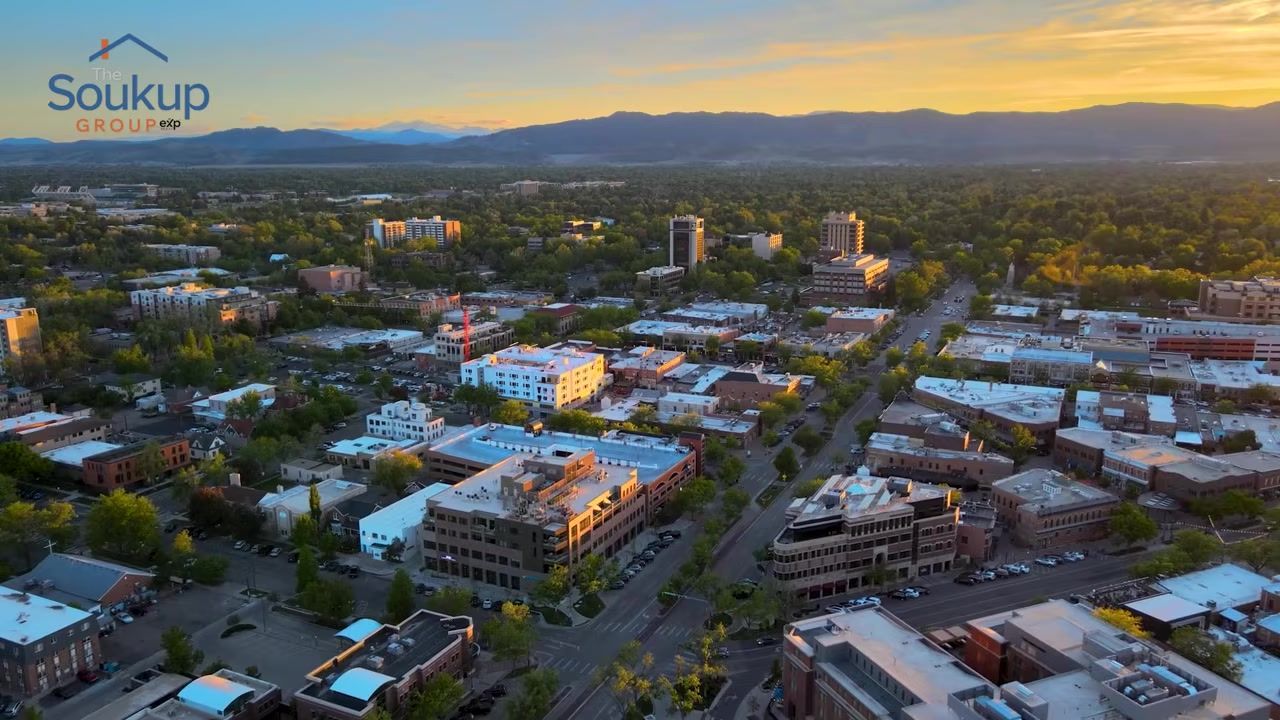
Fox Meadows sits in the southeast part of Fort Collins, an older neighborhood that has been around long enough to have mature trees and a lived-in feel. It's not flashy. The homes are mostly single-story ranches and split-levels from the 1970s and 1980s, with lot sizes that feel generous compared to what you get in newer subdivisions. The streets are quiet, the layout is simple, and it's the kind of place where people stay for decades.
The appreciation here lagged because the housing stock hasn't turned over much, and when homes do sell, they often need updates that buyers either balk at or negotiate hard on. Kitchens with original oak cabinets, bathrooms with builder-grade tile from forty years ago, and layouts that don't match what today's buyers expect. The bones are solid, but the finishes are dated, and that shows up in the comps.
Location-wise, Fox Meadows is fine. You're close to Harmony Road for shopping and restaurants, and you can get to I-25 in under ten minutes. It's not a commute problem. It's a perception problem. Buyers shopping Fort Collins tend to gravitate toward newer builds or neighborhoods with a stronger identity, and Fox Meadows just doesn't have the curb appeal or the buzz that drives competitive offers.
If you're handy or you're working with a renovation budget, this is the kind of neighborhood where you can buy below market, put in the work, and end up with a home that fits your needs without the premium you'd pay in trendier parts of town. Just know that when it's time to sell, you're likely facing the same headwinds the current sellers are.
#9: Waterglen
Waterglen is a newer community on the east side of Fort Collins, built out over the last fifteen years with a mix of single-family homes and townhomes. It has the amenities you expect from a planned development: a clubhouse, pool, parks, and trail connections. The homes are modern, the HOA keeps things tidy, and it checks a lot of boxes for buyers who want move-in ready without the age and maintenance of an older neighborhood.
So why did it underperform? Timing and competition. Waterglen came online during a period when Fort Collins was adding a lot of new inventory on the east side, and buyers had options. When you're competing with other new builds that offer similar floor plans and finishes, appreciation slows because there's no scarcity. Add in the fact that Waterglen sits farther from Old Town and CSU than most buyers want, and you start to see why it didn't keep pace with neighborhoods closer to the core.
The HOA fees are another factor. They're not outrageous, but they're high enough that some buyers run the numbers and decide they'd rather own in a neighborhood without the monthly dues. That shrinks your buyer pool, and a smaller buyer pool means slower price growth.
Waterglen works if you want new construction, you don't mind the east-side commute, and you value the amenities enough to justify the HOA. It's a solid neighborhood. It's just not a high-appreciation neighborhood, and the data from the last decade makes that clear.
#8: Ptarmigan
Ptarmigan is one of Fort Collins' older golf course communities, built in the 1970s and 1980s around Ptarmigan Country Club. The homes are a mix of ranch styles and two-stories, many with views of the course or backing to open space. The lots are larger than what you find in newer subdivisions, and the neighborhood has a quiet, established feel that appeals to buyers who want space and privacy.
The underperformance here is partly about age and partly about the golf course itself. Ptarmigan Country Club is private, which means the course and the clubhouse are amenities only for members, not for everyone in the neighborhood. That limits the appeal compared to communities where the golf course is semi-private or public. If you're not a golfer, you're paying a premium for a view of something you don't use, and that doesn't sit well with a lot of buyers.
The homes themselves are dated. Original kitchens, bathrooms that haven't been touched in decades, and floor plans that feel choppy compared to modern open-concept designs. Buyers who want Ptarmigan usually want it for the lot size and the location near Harmony Road and the foothills, but they're not paying top dollar for homes that need significant updates.
Ptarmigan also skews older in terms of the resident base, and that means fewer homes turn over. When inventory is low and the homes that do sell need work, appreciation stalls. It's not a bad neighborhood. It's just not where the market's energy has been over the last ten years.

#7: Golden Meadows
Golden Meadows is a southeast Fort Collins neighborhood that sits near Fossil Creek Reservoir, built mostly in the 1990s and early 2000s. It's a suburban, residential community with parks, trails, and easy access to shopping along Harmony Road. The homes are a mix of single-family detached and some attached townhomes, with layouts that were popular twenty years ago but feel a bit cookie-cutter now.
The appreciation lag here comes down to competition and location. Golden Meadows is fine, but it's not special. It doesn't have the cache of older, tree-lined neighborhoods closer to downtown, and it doesn't have the new-build appeal of developments that came online in the last five years. It sits in the middle, and in a hot market, the middle doesn't win.
The southeast side of Fort Collins has also seen a lot of new construction, which means buyers shopping this area have options. When you can get a brand-new home with a warranty and modern finishes for not much more than a twenty-year-old resale in Golden Meadows, a lot of buyers choose the new build. That puts downward pressure on resale values in neighborhoods like this one.
Golden Meadows works if you want suburban convenience, you're okay with a neighborhood that doesn't stand out, and you're not banking on aggressive appreciation. It's a solid place to live. It's just not a solid place to build equity quickly.
#6: Harvest Park
Harvest Park is another southeast Fort Collins community, built in the early 2000s with a focus on affordability and accessibility. The homes are mostly single-family detached, with smaller lot sizes and builder-grade finishes that were standard for that era. It's a neighborhood that was designed to hit a price point, and that shows in the architecture and the amenities.
The underperformance here is about market positioning. Harvest Park was never the premium option, even when it was new. It was the entry-level choice for buyers who wanted to own in Fort Collins but couldn't afford the higher-end developments. That positioning hasn't changed, and in a market where appreciation is driven by scarcity and desirability, entry-level neighborhoods don't keep pace.
The location is also a factor. Harvest Park sits on the far southeast edge of the city, which means longer commutes to Old Town, CSU, and the west-side job centers. For buyers relocating to Fort Collins, proximity to the core matters, and Harvest Park just doesn't have it.
The homes themselves are fine. They're not falling apart, and the neighborhood is well-maintained. But fine doesn't drive appreciation. Fine gets you steady, slow growth, and that's exactly what Harvest Park delivered over the last decade.
#5: Cottonwood
Cottonwood is a neighborhood that straddles the line between Fort Collins and Windsor, built in the mid-2000s with a mix of single-family homes and townhomes. It's part of the east-side growth corridor, with access to I-25 and shopping along Crossroads Boulevard. The homes are relatively new, the streets are wide, and the layout is typical of planned developments from that era.
The underperformance here is about identity. Cottonwood doesn't feel fully like Fort Collins, and it doesn't feel fully like Windsor. It's in between, and that in-between status hurts it with buyers who want a clear sense of place. Fort Collins buyers often prefer neighborhoods closer to the core or the foothills. Windsor buyers often prefer neighborhoods that are fully within Windsor's boundaries and school district.
The east-side location also works against it. Commutes to Old Town or CSU are longer, and the area doesn't have the walkability or the character that drives demand in other parts of the city. Cottonwood is car-dependent, and while that's true of a lot of Fort Collins, it's especially noticeable here because there's not much nearby that feels like a destination.
Cottonwood works if you want newer construction, you don't mind the commute, and you're okay with a neighborhood that doesn't have a strong identity. It's affordable, and the homes are in good shape. But if you're looking for appreciation, the last ten years suggest you'll do better elsewhere.
#4: Sage Creek
Sage Creek is a newer community on the northeast side of Fort Collins, built over the last ten to fifteen years with a focus on affordability and residential amenities. The homes are mostly single-family detached, with smaller lots and modern floor plans. The neighborhood has parks, trails, and a community feel that appeals to young families.
The underperformance here is surprising because Sage Creek is newer and well-maintained. But the northeast side of Fort Collins has struggled with perception. It's farther from the core, the commute to Old Town is longer, and the area doesn't have the same level of retail and dining options as other parts of the city. Buyers shopping Fort Collins often prioritize proximity to downtown or the foothills, and Sage Creek doesn't offer either.
The other issue is competition. The northeast side has seen a lot of new construction, and when you have multiple developments offering similar homes at similar price points, appreciation slows. There's no scarcity, and scarcity is what drives prices up.
Sage Creek is a good neighborhood. The homes are solid, the schools are decent, and the community amenities are well-used. But good doesn't always mean high-appreciation, and the data from the last decade makes that clear.
#3: Dry Creek
Dry Creek is a southeast Fort Collins neighborhood built in the late 1990s and early 2000s, with a mix of single-family homes and townhomes. It's a suburban, car-dependent community with access to Harmony Road and I-25. The homes are typical of that era: builder-grade finishes, standard lot sizes, and layouts that were popular twenty years ago but feel dated now.
The underperformance here is about age and location. Dry Creek is old enough that the homes need updates, but it's not old enough to have the charm or the lot sizes of truly vintage Fort Collins neighborhoods. It sits in the middle, and the middle is a tough place to be in a market that rewards either character or newness.
The southeast location also works against it. Buyers relocating to Fort Collins often want to be closer to Old Town, CSU, or the foothills, and Dry Creek doesn't offer that. It's a commute neighborhood, and while that's fine for some buyers, it's not what drives competitive offers and strong appreciation.
Dry Creek is affordable, and the homes are functional. But if you're buying here, you're buying for the price, not for the appreciation potential.
#2: English Ranch
English Ranch is a neighborhood on the east side of Fort Collins, built in the mid-2000s with a mix of single-family homes and attached townhomes. It's part of the east-side growth corridor, with access to I-25 and shopping along Harmony Road. The homes are relatively new, the streets are wide, and the neighborhood has a planned, suburban feel.
The underperformance here is about timing and location. English Ranch came online during a period of rapid east-side development, and it's never stood out from the pack. The homes are fine, but they're not distinctive. The location is convenient for I-25 access, but it's not convenient for Old Town or the parts of Fort Collins that drive demand.
The other issue is that English Ranch sits in a part of the city that feels more like a commuter suburb than a neighborhood with its own identity. There's no walkable core, no unique amenities, and no reason for buyers to choose English Ranch over the half-dozen other developments within a few miles.
English Ranch works if you want newer construction and you prioritize I-25 access. But the appreciation numbers from the last decade suggest that's not enough to drive strong equity growth.
#1: Colindale
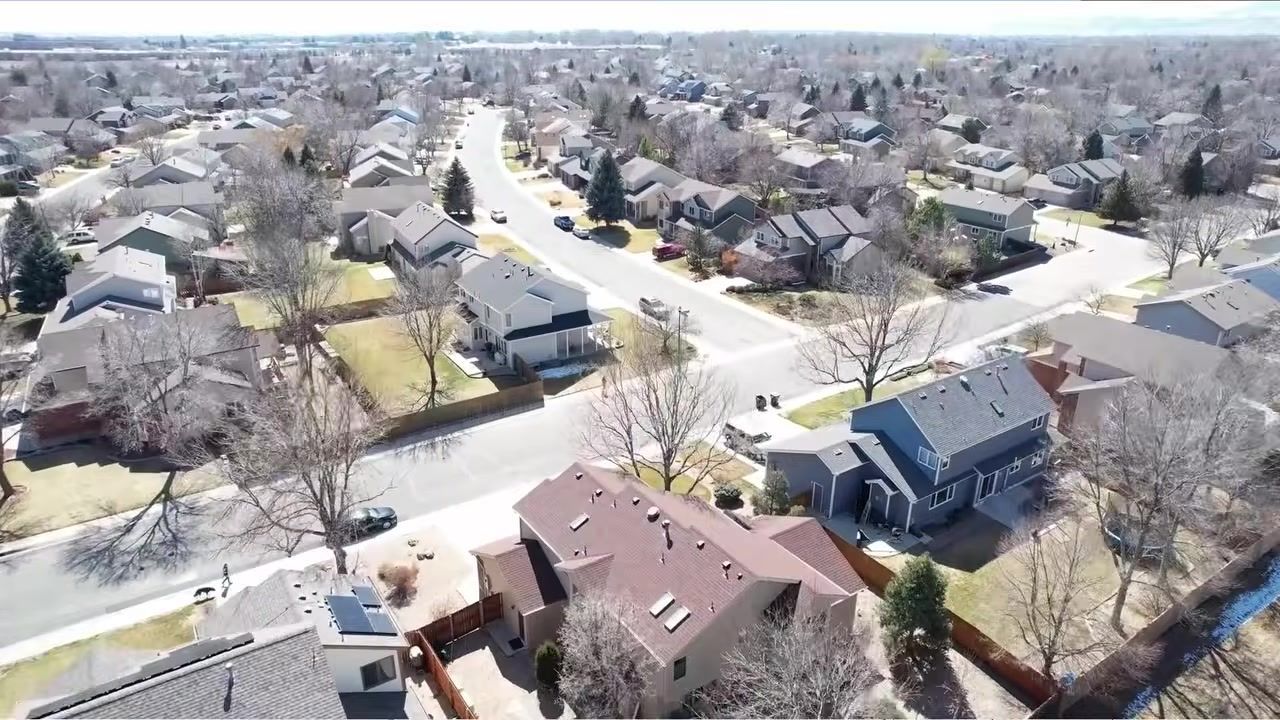
Colindale is the neighborhood that underperformed the most over the last decade, and it's not close. This is an older community on the south side of Fort Collins, built mostly in the 1970s and 1980s with a mix of single-family homes and townhomes. The homes are dated, the lots are small, and the neighborhood lacks the amenities and the identity that drive demand in other parts of the city.
The underperformance here is about everything. The homes are old and need updates. The location is fine but not great. The neighborhood doesn't have a strong identity or a reason for buyers to choose it over other options. And the south side of Fort Collins has historically been the slowest-appreciating part of the city, so Colindale was already fighting an uphill battle.
The homes that do sell in Colindale often go to investors or first-time buyers looking for the lowest entry point into the Fort Collins market. That's not a recipe for strong appreciation. It's a recipe for slow, steady growth at best, and that's exactly what the data shows.
Colindale is affordable, and for some buyers, that's enough. But if you're thinking about equity growth or resale, the last ten years suggest you'll do better almost anywhere else in Fort Collins.
What These Rankings Mean for Home Buyers
If you're relocating to Fort Collins or buying your first home here, these rankings matter, but they don't tell the whole story. Slower appreciation doesn't mean a neighborhood is bad. It means the market didn't reward it the way it rewarded other areas, and there are usually reasons for that: location, age, competition, or perception.
Some buyers should absolutely consider these neighborhoods. If you're looking for affordability, if you're planning to stay long-term and you're not worried about flipping in five years, or if you're handy and you see value in updating an older home, these areas offer opportunities. You'll pay less per square foot than you would in higher-appreciation neighborhoods, and that matters if your budget is tight.
But if you're thinking about resale, if you're relocating for a job and you might move again in a few years, or if building equity quickly is a priority, these neighborhoods are riskier. The data from the last decade suggests they'll continue to lag, and while past performance doesn't guarantee future results, it's a pretty strong indicator.
The other thing to consider is that Fort Collins is a strong market overall. Even the slowest-appreciating neighborhoods still appreciated. You're not losing money by buying in Colindale or English Ranch. You're just not gaining as much as you would in other parts of the city, and that opportunity cost adds up over time.
If you want to talk through where you should buy based on your timeline, your budget, and your goals, let's get on a call. I'll walk you through the data, show you what's available, and help you make a decision that makes sense for your situation, not just for the market.
Frequently Asked Questions
How much did these neighborhoods appreciate compared to the Fort Collins average?
The Fort Collins market as a whole saw strong appreciation over the last decade, with many neighborhoods doubling in value. The ten neighborhoods on this list appreciated significantly less, with some gaining only half of what top-performing areas did. The exact numbers vary by neighborhood, but the gap is substantial enough that it affects long-term equity growth and resale potential.
Are these neighborhoods bad places to live?
No. Slower appreciation doesn't mean a neighborhood is unsafe, poorly maintained, or undesirable for daily living. Many of these areas are quiet, residential, and perfectly functional. They just didn't attract the same level of buyer demand or competitive offers that drove prices up in other parts of Fort Collins. If you're buying for lifestyle and you're not focused on resale, these neighborhoods can be great options.
Will these neighborhoods continue to underperform?
Past performance doesn't guarantee future results, but the factors that caused slower appreciation over the last decade (location, age, competition, perception) are still in play. Unless something changes (major infrastructure improvements, new amenities, a shift in buyer preferences), these neighborhoods will likely continue to lag behind higher-demand areas. That doesn't mean they won't appreciate at all. It just means they probably won't keep pace with the rest of the market.
Should I avoid buying in these neighborhoods?
Not necessarily. If you're looking for affordability, if you're planning to stay long-term, or if you see value in updating an older home, these neighborhoods offer opportunities. But if building equity quickly is a priority, if you're relocating for work and you might move again in a few years, or if resale is a concern, you'll likely do better in neighborhoods with stronger appreciation trends. It depends on your goals and your timeline.
How do I find out which Fort Collins neighborhoods appreciated the most?
I track appreciation data across the entire Fort Collins market, and I can show you which neighborhoods have been the top performers over the last decade. If you're trying to decide where to buy and you want to see the numbers, let's get on a call. I'll walk you through the data, show you what's available in your price range, and help you understand the trade-offs between affordability and appreciation potential.
Do these rankings apply to townhomes and condos, or just single-family homes?
The rankings are based on overall neighborhood performance, which includes all housing types (single-family, townhomes, condos) that sold in each area. Some of these neighborhoods have a mix of property types, and in those cases, the slower appreciation affected all of them. If you're specifically shopping for a townhome or condo, the trends are similar, but the numbers can vary depending on the development and the HOA.
Living in fort collins x The Soukup Group
Expert market analysis and Northern Colorado lifestyle insights from the region's top 1% authority.

Stay ahead of trends
FORT COLLINS AND BEYOND Market UPDATES.
Go beyond the headlines with our deep-dive analysis into local real estate trends and economic shifts. We translate complex market data into actionable advice for homeowners and investors.