Fort Collins and Windsor Annexation: What Home Buyers Need to Know
The drive north on I-25 between Fort Collins and Windsor used to feel like open country. Now it's a blur of construction cranes, new rooftops, and city-limit signs that keep moving. If you're looking at homes in Northern Colorado, you've probably noticed something strange: communities that look like they should belong to one town are technically in another, and the mayors are fighting about it in ways that make the evening news.
Windsor's mayor recently called Fort Collins' annexation strategy "bullying." That's not the kind of language you hear in polite municipal meetings. But when you're standing in what feels like no-man's-land between two cities, where the grocery store is in one jurisdiction, the gas station is in another, and nobody's quite sure who's responsible for the roads, you start to understand why tempers flare. This isn't just political theater. It's about tax revenue, infrastructure, and which city gets to shape the future of the fastest-growing corridor in Colorado.
I'm Patrick Soukup, and I've been selling homes in Fort Collins and the surrounding area long enough to watch this border creep north, year by year. The annexation fight between Fort Collins and Windsor isn't new, but it's heating up in ways that directly affect where you should buy, what services you'll get, and how much you'll pay in taxes. If you're relocating here or trying to decide between a Fort Collins address and a Windsor one, you need to know what's actually happening on the ground, not just what the press releases say.
Table of Contents
What Annexation Actually Means for Home Buyers
Annexation sounds like a civics textbook term until it shows up on your property tax bill. When a city annexes land, it's bringing that property inside its official boundaries. That means the city now provides services, police, fire, streets, water, parks, and in return, you pay city taxes. In Colorado, cities can annex unincorporated county land if they meet certain criteria, and they can do it aggressively when they see growth coming.
For Fort Collins, annexation is about controlling its northern edge. The city has been pushing its boundary up toward Windsor for years, swallowing up land that used to be Larimer County addresses. Fort Collins wants the tax base, the planning authority, and the ability to shape development before it becomes a sprawl problem. For Windsor, it's about survival. If Fort Collins annexes everything between the two towns, Windsor gets boxed in, loses future growth, and ends up as a smaller satellite instead of a peer city.
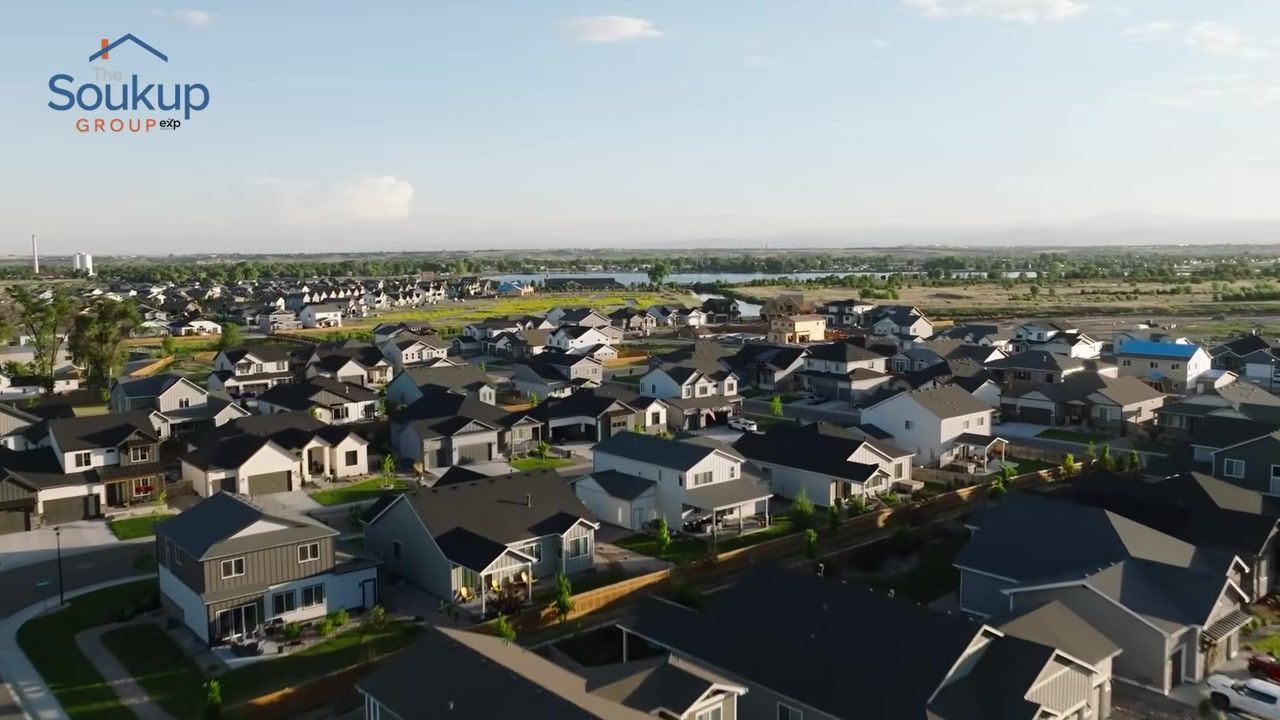
Here's what that means if you're buying a home. A house on the Fort Collins side of the line gets Fort Collins utilities, Fort Collins police response times, and access to Fort Collins parks and recreation programs. It also pays Fort Collins sales tax and property tax rates. A house on the Windsor side gets Windsor services, Windsor tax rates, and a different set of amenities. The difference isn't always better or worse, it's just different. But when you're standing in a neighborhood that got annexed last year, or one that might get annexed next year, you need to know what you're signing up for.
The confusion comes when you're looking at new construction in areas that are technically unincorporated but clearly in someone's annexation crosshairs. Builders market these homes as "Fort Collins area" or "Windsor area," but the actual jurisdiction might not be settled. I've had buyers close on a house thinking they were in Fort Collins, only to find out six months later that the annexation didn't go through and they're still county. That changes your trash pickup, your voting district, and sometimes your school assignment.
Why Windsor's Mayor Is Calling It Bullying
Windsor's mayor didn't use the word "bullying" lightly. In municipal politics, that's a loaded term. It suggests that Fort Collins isn't just annexing land through normal legal channels, it's using its size and resources to intimidate and outmaneuver a smaller neighbor. From Windsor's perspective, Fort Collins is annexing land that Windsor had its eye on, cutting off Windsor's natural growth corridor, and doing it faster than Windsor can respond.
Fort Collins has more staff, more lawyers, and more money to spend on annexation battles. When Fort Collins decides it wants a piece of land, it can move quickly. Windsor, with a smaller budget and fewer resources, has to pick its fights. The result is that Fort Collins has been able to annex land north of its traditional boundary, creating a patchwork where Fort Collins jurisdiction extends well into what used to be considered Windsor's sphere of influence.
The bullying accusation also reflects frustration with how annexation negotiations have gone. In Colorado, cities are supposed to work together on intergovernmental agreements when their boundaries get close. The idea is that you sit down, draw reasonable lines, and avoid conflicts. But those agreements only work if both sides feel like they're getting a fair deal. Windsor's mayor is signaling that Fort Collins isn't negotiating in good faith, that it's annexing first and talking later.
For buyers, this matters because it creates uncertainty. If you're looking at land or new construction in the disputed zone, you don't always know which city you'll end up in. Builders sometimes market homes as Fort Collins addresses to command higher prices, even when the annexation isn't final. I've seen buyers pay a premium for a Fort Collins zip code, only to discover that the actual city limits are half a mile south and there's no timeline for annexation. That's not fraud, it's just the reality of a border that's still being fought over.
The I-25 Corridor: Where the Battle Lines Are Drawn
The real fight is happening along the I-25 corridor between Fort Collins and Windsor. This stretch of land is some of the most valuable real estate in Northern Colorado. It's flat, it's accessible, it's close to the highway, and it's in the path of growth. Developers want to build here. Retailers want to open here. And both cities want to control what happens here.
Fort Collins has been annexing land on the east side of I-25, extending its boundary north toward Windsor in a way that effectively blocks Windsor from expanding west. Windsor has been trying to annex land on its side, but it's a slower process, and Fort Collins keeps getting there first. The result is a jagged, irregular boundary that doesn't follow any natural lines. You can drive down a road and cross city limits three times without realizing it.
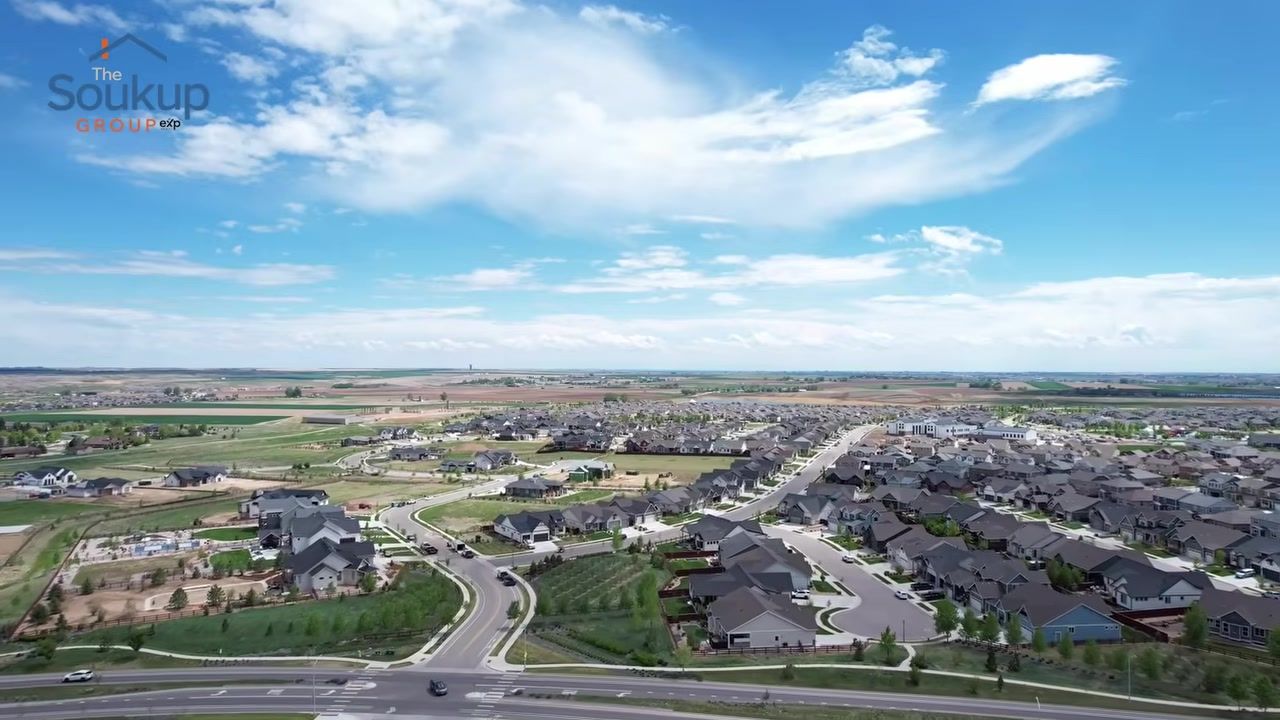
This corridor is where you'll find a lot of new housing developments, and it's where the annexation uncertainty is highest. If you're looking at homes in this area, pay close attention to the actual city limits, not just the marketing. A neighborhood might be called "North Fort Collins" or "South Windsor," but the legal jurisdiction determines your taxes, your services, and your resale value. Fort Collins addresses tend to hold value better because buyers perceive Fort Collins as more established, with better amenities. But Windsor addresses can be a better deal if you're okay with a smaller-town feel and you're not paying for services you don't need.
The I-25 corridor is also where infrastructure gets messy. Roads that were built by the county are now being maintained by cities, but not always consistently. You'll see stretches where the pavement quality changes at the city line. Water and sewer lines are being extended, but not always at the same pace. If you're buying new construction here, ask the builder who's responsible for utilities and roads, and get it in writing. Don't assume that because the house looks like it's in Fort Collins, it actually is.
Fort Collins vs. Windsor: Tax and Service Trade-Offs
Let's talk about what you actually get for your money in each city. Fort Collins has higher taxes, but it also has more services. The city sales tax in Fort Collins is higher than Windsor's, and property taxes reflect the fact that you're paying for a larger municipal operation. In return, you get more parks, more recreation programs, a bigger library system, and generally faster response times for city services. Fort Collins also has more restrictive zoning and building codes, which some buyers see as a plus (it keeps neighborhoods consistent) and others see as a minus (it limits what you can do with your property).
Windsor has lower taxes and a more hands-off approach. The town is smaller, so you're not paying for as much infrastructure. Windsor's sales tax is lower, and property taxes tend to be a bit more favorable. The trade-off is that you get fewer amenities. Windsor has parks and recreation, but it's a smaller system. The library is smaller. The town government is smaller. If you're someone who doesn't use a lot of city services and you'd rather keep more of your paycheck, Windsor can be a better deal.
The school district situation is another factor. Both Fort Collins and Windsor are in Poudre School District, so your school assignment isn't necessarily tied to which city you're in. But the specific school you're zoned for can vary depending on exactly where your house sits, and that's worth checking before you buy. Poudre School District is large and has a range of schools with different reputations. I always tell buyers to verify current boundary maps with the district, because those lines change.
Utilities are another consideration. Fort Collins has its own water and electric utility, which gives the city more control but also means you're paying Fort Collins rates. Windsor uses different providers, and rates can vary. If you're in an unincorporated area that's about to be annexed, your utility provider might change, and that can mean new connection fees or rate adjustments. It's not always a dealbreaker, but it's something to budget for.
What This Means If You're Buying in the Next Two Years
If you're looking at homes in Northern Colorado right now, here's what you need to know. First, don't assume that a "Fort Collins area" listing is actually in Fort Collins. Check the legal description and the city limits map. If the property is unincorporated, ask the listing agent if there's an annexation pending. Builders and sellers aren't always upfront about this, because annexation uncertainty can scare off buyers.
Second, if you're buying new construction in the disputed corridor, get clarity on which city will provide services and when. Some developments are built with the assumption that annexation will happen, but if it doesn't, you might be stuck with county services and no clear timeline for city utilities. That can affect your resale value down the line.
Third, think about what you actually want from a city. If you value Fort Collins' amenities and you're willing to pay for them, then make sure you're actually getting a Fort Collins address. If you'd rather have lower taxes and a quieter town, Windsor might be a better fit, but make sure you're comparing apples to apples. Don't pay Fort Collins prices for a house that's technically in the county.
The annexation fight isn't going away. Fort Collins and Windsor are going to keep pushing their boundaries, and the I-25 corridor is going to keep being contested. That creates opportunity for buyers who do their homework, but it also creates risk for buyers who assume that what they see today is what they'll get tomorrow. I've seen buyers get burned by annexation surprises, and I've seen buyers get great deals because they understood the situation better than the seller did.
If you're serious about buying in this area, let's get on a call and walk through the specific neighborhoods you're considering. I can pull up the city limits maps, show you where the annexation battles are active, and help you understand what you're actually getting. This isn't the kind of thing you want to figure out after you close.
Conclusion
The annexation battle between Fort Collins and Windsor is more than political drama, it's shaping where and how you should buy a home in Northern Colorado. Windsor's mayor called it bullying because Fort Collins is using its size and resources to control the growth corridor between the two cities. For buyers, that means uncertainty, but it also means opportunity if you know what to look for.
Don't rely on marketing materials or zip codes to tell you which city you're actually in. Check the legal boundaries, ask about pending annexations, and understand the tax and service trade-offs between Fort Collins and Windsor. The I-25 corridor is where the fight is hottest, and it's also where you'll find some of the newest housing. Just make sure you know what you're buying into.
If you want to dig into the specifics of a neighborhood or a listing, let's talk. I can show you exactly where the city limits are, what's coming down the pipeline for annexation, and how that affects your decision. Call/Text me at 970-893-3533 or book a FREE consultation and we'll walk through your options without the guesswork.
FAQ
What does it mean if a house is in unincorporated Larimer County?
Unincorporated means the property isn't inside any city limits. You pay county taxes, and the county provides services like roads and law enforcement. You won't have access to city parks, libraries, or recreation programs. Unincorporated properties can be annexed by a city later, which would change your taxes and services.
Will my property taxes go up if my house gets annexed?
It depends on which city annexes you and what services they provide. Fort Collins annexation usually means higher taxes because you're paying for more city services. Windsor annexation might result in a smaller increase. You'll also start paying city sales tax on purchases made within that city.
Can I stop my property from being annexed?
Colorado law gives cities broad annexation authority, but property owners do have some say. If you're in an area being considered for annexation, you can participate in public hearings and voice objections. However, if the city meets the legal requirements, annexation can proceed even if some property owners oppose it.
Does annexation affect my school district?
Not necessarily. School district boundaries are separate from city boundaries. Most of the Fort Collins and Windsor area is in Poudre School District, and annexation won't change that. However, your specific school assignment might change if district boundaries are redrawn, so verify current maps with the district.
How do I find out if a property is in Fort Collins or Windsor?
Check the legal description on the listing, or look up the property on the Larimer County Assessor's website. You can also call the city planning departments and give them the address. Don't rely on zip codes or marketing descriptions, those aren't always accurate.
Is a Fort Collins address worth paying more for?
It depends on what you value. Fort Collins addresses tend to hold value better and give you access to more amenities, but you'll pay higher taxes. If you don't use city services much and you prefer lower taxes, a Windsor or county address might be a better deal. Compare the actual costs and benefits for your situation.
Living in fort collins x The Soukup Group
Expert market analysis and Northern Colorado lifestyle insights from the region's top 1% authority.
Stay ahead of trends
FORT COLLINS AND BEYOND Market UPDATES.
Go beyond the headlines with our deep-dive analysis into local real estate trends and economic shifts. We translate complex market data into actionable advice for homeowners and investors.