Fort Collins Real Estate: What the Next 10 Years Could Look Like
The Fort Collins real estate market that shaped the last decade, the one that rewarded anyone who bought early and held on, is not the market we're walking into now. I've watched this city grow from a college town with affordable neighborhoods into one of the most competitive markets along the Front Range, and the forces that drove appreciation, inventory scarcity, and bidding wars are changing. The next ten years won't be a repeat. Different pressures, different opportunities, and a different playbook for buyers and sellers who want to make smart moves in Northern Colorado.
If you bought a home in Fort Collins between 2016 and 2026, you likely saw your property value climb dramatically. The median home price rose from about $380,000 to $660,000 over that period, while the median price per finished square foot increased from $211 to $357. Low mortgage rates, limited inventory, and strong migration into Northern Colorado helped drive that appreciation.
But the conditions that created that run are changing. Mortgage rates are much higher, sales volume is down, and population growth is slowing. At the same time, Fort Collins has limited room to expand, with the city's own planning analysis identifying capacity for roughly 22,000 additional homes. The result is a market that's shifting from a growth story to a scarcity story.
This isn't a doom-and-gloom forecast. Fort Collins still has strong fundamentals: Colorado State University, a stable job market, proximity to Denver without the density, and a quality of life that keeps people moving here. But the easy gains are behind us. The next decade will reward the buyers and sellers who understand what's actually changing and adjust their expectations accordingly. Let's break down what I'm seeing and where I think this market is headed.
Table of Contents
Why the Last 10 Years Were an Anomaly
The Fort Collins market from 2016 to 2026 was shaped by conditions we're unlikely to see again in the same combination. The median home price rose from about $380,000 to $660,000, an increase of roughly 74%. Price per finished square foot climbed from $211 to $357, up about 69%.
What makes that appreciation especially significant is that the homes themselves were remarkably similar. The median home sold in 2016 was about 1,850 finished square feet, with four bedrooms, three bathrooms, and a 1993 build year. The median home sold this summer was about 1,900 square feet, with four bedrooms, three bathrooms, and a 1994 build year. In other words, much of the increase came from the same type of home becoming substantially more expensive.
The price distribution also changed dramatically. In 2016, about 55% of single-family home sales were under $400,000. This summer, only about 2.9% were. Homes selling for $1 million or more represented less than 1% of sales in 2016 but now account for roughly 16.5%.
Mortgage rates added another layer. The average 30-year rate was about 3.65% in 2016, compared with roughly 6.65% in 2026. A 20% down payment on the median home increased from $76,000 to $132,000, while the principal-and-interest payment rose dramatically.
The result was a double shift: homes became more expensive while the cost of borrowing increased at the same time.
But the market hasn't stopped functioning. Median days on market were about 43 days in 2016 and roughly 41 days today. Fort Collins homes are still finding buyers, even at today's higher prices. The market has changed, but that doesn't necessarily mean the market is broken.
Now those conditions are changing. Rates are higher, sales activity has softened, and population growth is slowing. The strategies that worked during the previous decade won't necessarily produce the same results over the next ten years.
Interest Rates and Affordability: The New Reality
Affordability is one of the biggest challenges facing Fort Collins buyers today. In 2016, the median home sold for about $380,000 and the average 30-year mortgage rate was approximately 3.65%. With 20% down, the buyer borrowed about $304,000.
In 2026, the median home is around $660,000 and the 30-year rate used in the market analysis is approximately 6.65%. A 20% down payment is now $132,000, and the principal-and-interest payment is roughly $3,390 per month.
The home price increased about 74%, but the estimated principal-and-interest payment increased roughly 144%. That's the real affordability challenge facing buyers today.
The good news is that buyers aren't dealing with the same competition seen in 2021. Roughly 55% of Fort Collins homes are currently selling below list price, while only about 12% are selling above list. That creates opportunities to negotiate on price, seller concessions, repairs, and rate buydowns.
For sellers, pricing matters more than it did during the frenzy. Buyers have more choices and more leverage, so an unrealistic asking price can cause a home to sit on the market.
For buyers, the key is to focus on what you can comfortably afford at today's rates rather than assuming rates will quickly return to pandemic-era levels.
Inventory and New Construction: What's Coming
One of the biggest questions facing Fort Collins real estate is how much housing the city can actually add. The answer is more complicated than simply building more homes.
Fort Collins has a defined growth management area that limits how far the city can expand. Mountains, community separators, open space, and agreements with Larimer County and neighboring communities all constrain future development.
According to the city's recent planning analysis, Fort Collins has roughly 4,880 acres of vacant buildable land, including about 3,388 acres designated for residential use. Applying the city's zoning densities results in capacity for up to approximately 22,000 additional homes. About 6,000 of those homes are already associated with approved master plans such as Montava and Bloom.
That may sound like a lot, but the region already has a significant housing need. A 2026 regional housing needs assessment indicates that Fort Collins alone needs roughly 7,000 additional housing units by 2035, while the broader region needs approximately 14,500 more homes plus thousands of catch-up units.
The city is also moving out of its greenfield development era. Outside areas such as northeast and southeast Fort Collins, there is limited undeveloped land available for large-scale residential development. Future housing will increasingly come through infill, redevelopment, and higher-density projects.
Northeast Fort Collins is expected to account for a significant share of future new construction, with Montava and Bloom together representing roughly 6,000 approved units. Southeast Fort Collins also has some remaining development opportunities, while areas such as North College Avenue, Midtown, and West Elizabeth have been identified for future residential development and increased density.
For buyers, this means new construction will continue to be available, but the location and type of development matter. For sellers and investors, limited land supply could become increasingly important as Fort Collins transitions from a growth story to a scarcity story.
Migration Patterns: Who's Moving to Fort Collins Now
Fort Collins and the surrounding Northern Colorado region are still attracting people, but the pace and location of growth are changing.
Larimer County grew from roughly 339,000 people in 2016 to about 378,000 today. State demographic projections indicate the county could reach approximately 407,000 by 2036, meaning population growth is expected to continue but at a slower pace.
Fort Collins itself has experienced much slower population growth. The city grew from roughly 169,000 residents in 2020 to about 172,000 in 2024, an increase of approximately 1.9%.
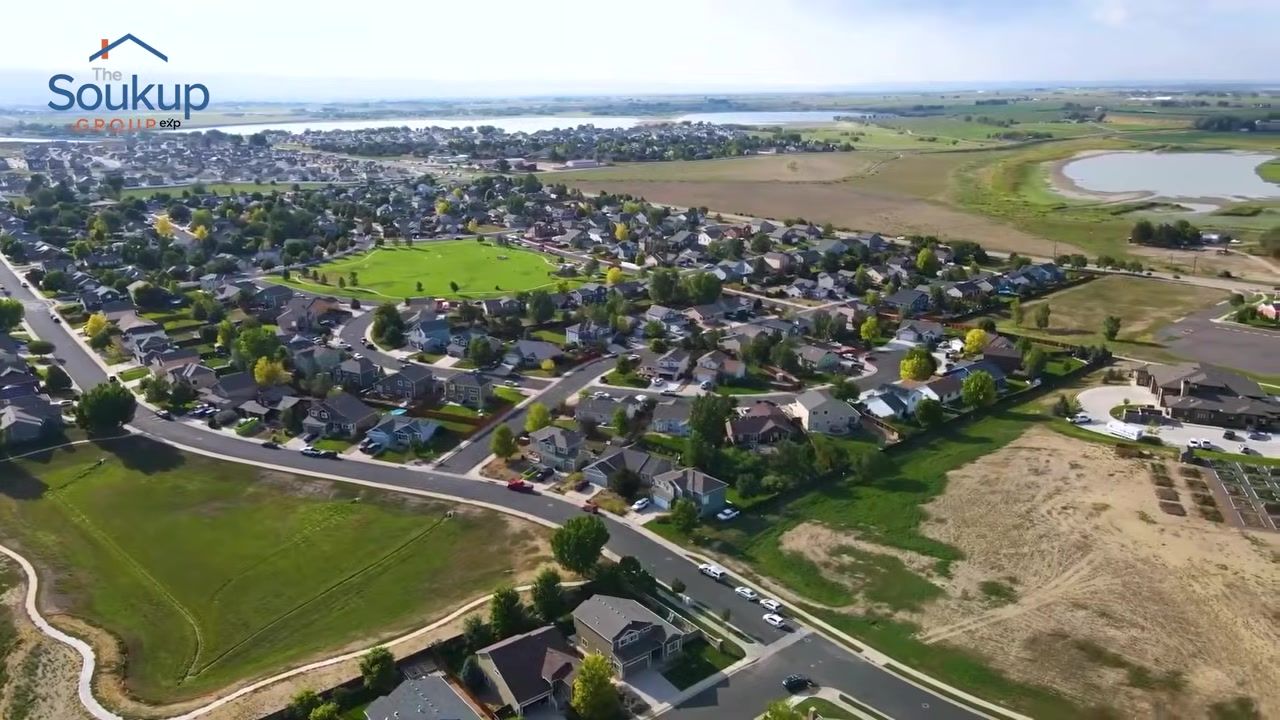
Meanwhile, communities surrounding Fort Collins are growing faster. Timnath, Berthoud, Wellington, Severance, and Johnstown have all experienced stronger growth, while Weld County is projected to grow faster than Larimer County over the next decade.
The important takeaway is that growth isn't necessarily leaving Northern Colorado. It's moving toward the edges where more land and new construction are available.
Migration remains an important part of the region's growth. From 2020 through 2024, Larimer County added approximately 15,300 people, with about 14,100 coming from net migration. That means roughly 92% of the county's population growth during that period came from people moving into the area rather than natural population growth.
For buyers relocating to Northern Colorado, this means Fort Collins is only one part of a much larger housing market. Communities such as Timnath, Wellington, Loveland, and Windsor can offer different price points and housing options while still keeping buyers within the broader Northern Colorado region.
Investment Strategy: What Works in the Next Decade
If you're thinking about real estate as an investment in Fort Collins over the next ten years, the strategy has to change. The buy-anything-and-watch-it-appreciate approach that worked during the previous decade is unlikely to produce the same results going forward.
The outlook discussed in the video is for roughly 3% to 4% annual appreciation over the next decade rather than another 74% increase. At approximately 3.5% annual growth, a $660,000 home today would be worth roughly $931,000 in 10 years.
The bigger question is where that appreciation is most likely to occur. Established areas with limited future supply could have an advantage over newer growth areas where additional homes can continue to be built. The distinction isn't that new construction is a bad investment. New homes can be an excellent fit for relocating families. The important consideration is understanding how much additional supply could eventually compete with the property.
Buyers and investors should also pay close attention to carrying costs. Property taxes have increased substantially, rising from roughly $1,900 per year in 2016 to about $3,800 today. HOA fees, metro district costs, insurance, maintenance, and other expenses can also affect the long-term economics of a property.
Rentals can still work, particularly near CSU and major employment centers, but higher purchase prices and mortgage rates can make cash flow more difficult than it was several years ago. Investors need to run the numbers carefully and account for vacancies, maintenance, taxes, insurance, and financing costs.
The biggest mistake would be assuming the next decade will look like the last one. The expectation is for slower appreciation, but Fort Collins still has demand and limited land for future development. That makes property selection, location, supply, and holding period more important than they were during the previous cycle.
Conclusion
Fort Collins real estate is entering a different phase, with tighter affordability, higher rates, and slower growth. But limited land and ongoing housing demand could create long-term opportunities for buyers who choose carefully and plan ahead.
If you're considering buying in Fort Collins, I can help you understand the market and find the right fit for your goals. Call/Text me at 970-893-3533 or book a FREE consultation to get started.
FAQ
Will Fort Collins home prices drop in the next few years?
I don't see a price crash coming. Fort Collins has strong fundamentals: a stable job market, Colorado State University, and limited inventory. Prices may flatten or grow more slowly than the last decade, but a significant drop would require a major economic shock or a wave of new construction that we're not seeing.
Is now a good time to buy in Fort Collins?
If you're planning to stay for at least five years and you find a home that fits your budget, yes. You have more negotiating power than you did during the frenzy, and sellers are more willing to work with you. Don't try to time the market perfectly. Focus on finding the right property and locking in your housing cost.
Should I wait for interest rates to drop before buying?
Rates may come down slightly, but they're unlikely to return to the 3% range we saw during the pandemic. If you wait for rates to drop, you'll be competing with more buyers, which could push prices up and erase any savings from the lower rate. If you find the right home now, buy it and refinance later if rates improve.
Are new construction homes a better deal than resale homes?
It depends on what you're looking for. New construction often comes with higher prices, smaller lots, and HOA fees, but you get a warranty and modern finishes. Resale homes in established neighborhoods may offer more space and character, but you might need to budget for updates. Compare the total cost and the neighborhood before deciding.
What neighborhoods in Fort Collins will hold value best?
Neighborhoods near Old Town, CSU, and the foothills tend to hold value well because of limited supply and strong demand. Look for areas with walkability, mature trees, and proximity to amenities. Newer developments on the edges can be good, but they don't have the same scarcity factor.
Is Fort Collins still a good place to invest in rental properties?
Yes, but the math is tighter than it was a few years ago. The rental market is strong thanks to CSU and local employers, but higher purchase prices and interest rates mean you need to be more careful about cash flow. Run the numbers, factor in vacancies and maintenance, and make sure the rent covers your costs with a cushion.
Living in fort collins x The Soukup Group
Expert market analysis and Northern Colorado lifestyle insights from the region's top 1% authority.

Stay ahead of trends
FORT COLLINS AND BEYOND Market UPDATES.
Go beyond the headlines with our deep-dive analysis into local real estate trends and economic shifts. We translate complex market data into actionable advice for homeowners and investors.