Living in Fort Collins, Colorado: Pros and Cons in 2026
What is it really like living in Fort Collins, Colorado? With over 300 days of sunshine, beautiful outdoor spaces, and a welcoming college-town atmosphere, it's easy to see why 91% of residents say it's a good or very good place to live. But rising housing costs, utility bills, and school closures are making some locals question the trade-offs.
Having lived in Fort Collins my entire life and helped relocating families navigate the area, I've seen how much this city has changed. In 2026, the housing market is finally becoming more buyer-friendly, with longer listing times, price reductions, and seller concessions. But is Fort Collins still worth the cost? Let's explore seven cons, seven reasons to love living here, and what buyers should know about the 2026 market before making the move.
Table of Contents
Cons of Living in Fort Collins Colorado
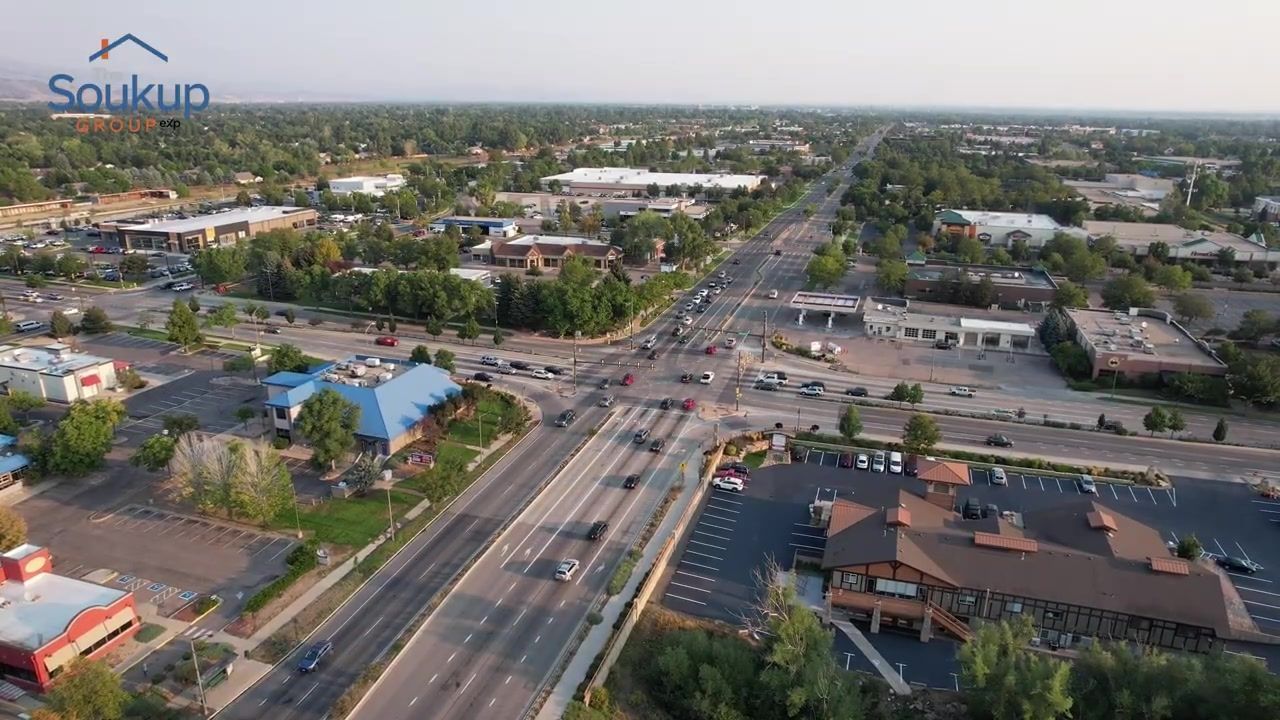
Con #7: It is not a big city, and DIA is 70 miles away. Fort Collins sits about an hour from Denver International Airport, longer with traffic or weather. The nearest pro sports teams play in Denver. Winters bring 50 inches of snow and wind. The population skews less diverse than Denver or Boulder. But here is the thing: people move here to get away from big city vibes. You get the college town feel with CSU, and Denver is close enough for a game or concert without the daily grind. I drive to DIA maybe two or three times a year. We catch a couple of Rockies or Avalanche games, a few concerts. We leverage Denver without living in it. If you need a major airport at your doorstep or big city amenities daily, Fort Collins will feel small. If you want access without the traffic, it works.
Con #6: Air quality and wildfire smoke. The Front Range Ozone Nonattainment Area, which includes parts of Larimer County, logged 51 days over the EPA limit so far in 2026, up from 23 in 2025. Nonattainment means the region is not meeting the federal air quality standard. Many days this year hit "unhealthy for sensitive groups." Redfin puts 72% of properties at some level of wildfire risk over the next 30 years. Fortunately, 2026 was not a bad wildfire season despite the drought. I work out outside, and I did not experience any issues once this year. I do not have asthma, and I do not track the daily levels. If you have respiratory issues, your experience will differ. The 72% wildfire risk number surprised me. The Marshall Fire down in Boulder was devastating, but it started when wind knocked down a power pole in January. Fort Collins has about 99% of utilities underground, which reduces that downed-line risk. Still, homes along the foothills see higher insurance premiums because of wildfire exposure. Most of the year, you will see blue skies and 300-plus days of sun. Air quality is a focus for Larimer County, but it is a real concern if you are sensitive to ozone or smoke.
Con #5: Traffic and the trains. Only 31% of residents rate traffic flow as good in the 2026 city survey, down from 36% in 2025. The usual pain points are College Avenue, 287, Harmony, and I-25. A common Fort Collins complaint is the freight trains on Mason Street running right through downtown and CSU. Some residents report blockages lasting 30 to 60 minutes. I have never personally experienced that. I have always lived east of the tracks, so they have never been part of my daily commute. But people on the west side who need to cross east do have to time it, and the trains can be an annoyance. I have been asked how far away you can hear the horns. Growing up, I lived about half a mile to a mile from the Mason tracks. On an early morning, you can hear them. I am a mile and a half east now, and I still hear it faintly on dead silent mornings. It is not in my backyard, but it is there. The reason traffic gets a conversation on both sides is perspective. If you are coming from Denver, Dallas, Houston, or the Bay Area, your version of traffic and ours are not the same. A lot of locals who complain about traffic have been here since the '60s and '70s when Fort Collins was much smaller. If you are relocating from a major metro, you will wonder what traffic we are talking about.
Con #4: Sales tax and property tax bills. Combined sales tax is 8.3%, up from 8.05% in 2024-2025. That quarter-cent increase funds parks, recreation, climate, and transportation. Sales tax could increase another 0.3% this November if voters approve the Front Range Passenger Rail District. The median property tax bill is $3,149, about $749 above the national median. Hold that thought, because the property tax *rate* shows up on the pros list. The rate is low, but because home prices are high, the bill you write is still higher than the national median. Between sales tax and property tax, your wallet feels it.
Con #3: Utility bills are going up. Proposed increases for 2027 and 2028: water up 15% per year, wastewater 10%, electric 7%, stormwater 5%. The typical household in 2027 alone will see about an $18.86 per month increase, roughly a 9.3% jump, going from $203 to about $222 per month. City council is deciding that in November. A lot of this is infrastructure and growth. The utility ratepayer is on the hook. If you are budgeting for a move to Fort Collins, factor in rising utility costs on top of the mortgage and property tax.
Con #2: Schools and CSU are in flux. The Poudre School District committee is recommending nine closures, including Beatty, Johnson, Putnam, Irish, Timnath, Blevins Middle School, and all the mountain schools. They are also recommending combining Centennial High School and Poudre Community Academy. The superintendent tied the enrollment decline to fewer births and higher cost of living. CSU separately made $35.8 million in cuts this year and some layoffs. By the time this article publishes, the district will have voted on whether those nine schools consolidate. We cannot steer you on schools, but do your own research. The district website has good information. Notice the superintendent blamed cost of living, which brings us to the number one con.
Con #1: Housing affordability. Only 6% of residents rated the availability of affordable quality housing as good in the 2026 city survey. That is down from 10% in 2025 and the lowest since the survey began in 2013. Asked to name the one thing the city should improve, housing affordability came in at number two at 17%, right behind transportation at 20%. Rents run about $1,400 for a one-bedroom, $1,800 for a two-bedroom, and $2,400 for a three-bedroom. If you go on Reddit, you will see people feel priced out of Fort Collins and are moving to Greeley, Loveland, Windsor, even Cheyenne. The reality is people are not moving to Fort Collins for affordability. They are not moving here because it is the cheapest place to live. But in 2026, there is a twist for buyers, and it shows up on the pros list.
Pros of Living in Fort Collins Colorado
Pro #7: Low property tax rate. The effective rate is about 0.57% versus 1.02% nationally. The rate is low, but because home prices are high, the median bill is still $3,149. Both things are true. The percentage is lower, but the check you write is higher. If you are relocating from a state with a 1% or higher rate, Fort Collins will feel like a break. If you are coming from a no-income-tax state with high property taxes, the math works differently. Run your own numbers.
Pro #6: The city runs very well. Eighty-seven percent of residents feel safe overall. Fort Collins holds platinum bicycle-friendly status, one of only two US cities, and the city is pushing for diamond level. The city owns its connection fiber, so you get gigabit up to 10-gigabit speeds at your house. It is some of the best internet in town. When 20% of our residents work from home, that is a serious pro. The city maintains services well. Trash pickup, snow removal, parks, trails, residents rate these high. If you value a well-run city that invests in infrastructure and outdoor access, Fort Collins delivers.
Pro #5: Low unemployment. Unemployment is 3.6% in June 2026 versus 4.4% nationally. Major employers include CSU, UC Health, Banner Health, Broadcom, HP, Woodward Governor, and OtterBox, to name a few. But here is the catch. In the 2026 city survey, only 25% of residents rated the availability of opportunities for jobs as good, down from 35% in 2025. Unemployment is low, but locals say good jobs are harder to land. Let's call a spade a spade. If you are relocating, line up the job first or bring a remote one. I have a client story: they moved here from Boston, both bringing high-paying remote tech jobs. One lost their job, and it was very tough to find a new one in Fort Collins. There are some great opportunities down in Loveland and Greeley, so the Northern Colorado area is a little better. But high-paying jobs here are not plentiful. That is a major focus the city, mayor, and council members need to address: bringing high-paying jobs to a community that supports business.
Pro #4: The 2026 market is the most buyer-friendly we have seen in years. As of August 2026, the median sales price for both residential attached and detached is $577,000, up 4.9% year over year. Homes typically take 47 to 48 days and sell for 99.1% of list. Thirty-seven percent of homes had price drops. Over 50% of homes that sold detached and attached had some sort of concessions in September 2026. There is real negotiation room: concessions, inspection asks, rate buydowns. These are things buyers could not get in 2021 to 2022. Right now is the time to watch what the market does. Homes sitting for 50, 60, 75-plus days, going through multiple price reductions, offering a concession to get a deal done, these are the things we are watching and the things we can help our clients secure. There is no chance we would have had this leverage in 2021 to 2022. Interest rates are up. Hopefully that is not forever. But the house you buy now, you might own for 7, 10, 15 years, and you have negotiation power we have not seen in a long time. If you want to look at what negotiation room looks like on a specific neighborhood or house, jump on a Zoom call with my team and me. We will talk you through it.
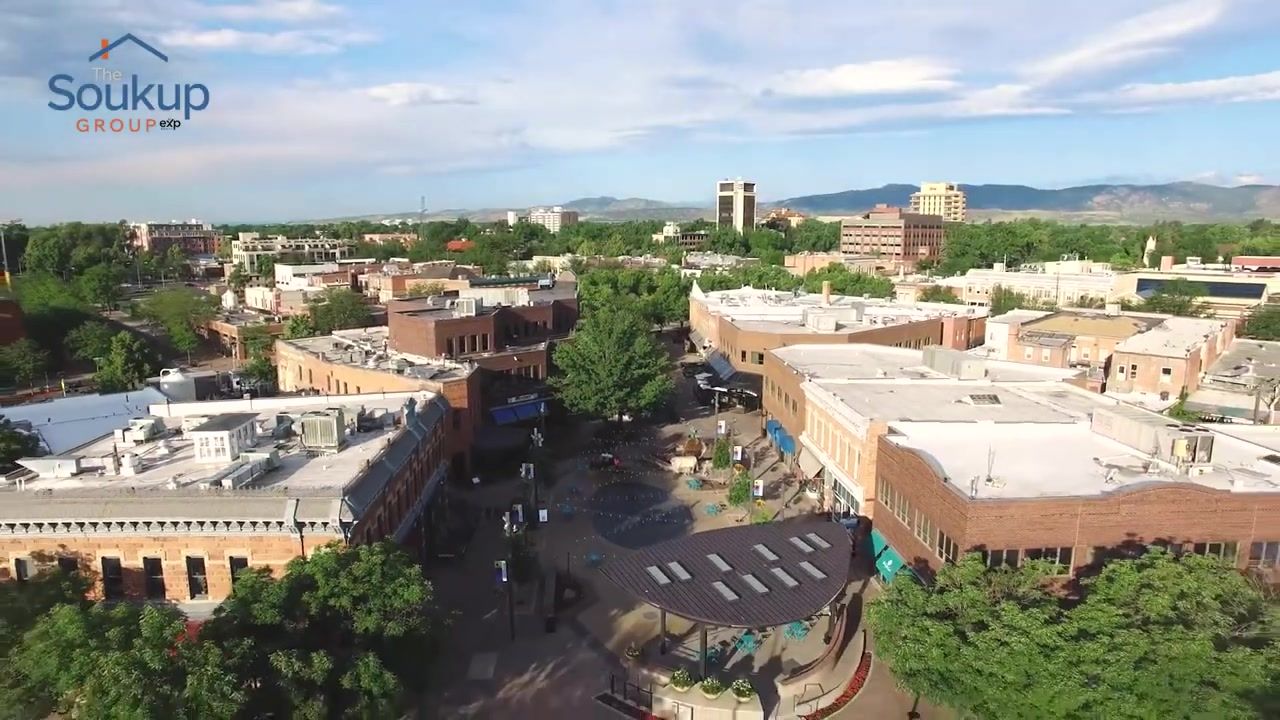
Pro #3: Old Town and the beer scene get national attention. CNN just ranked Fort Collins as the number five best town to visit in 2026. Our downtown, Old Town, is beautiful. I worked down there for about 10 years. New Belgium, the granddaddy of them all, anchors the microbrew capital of the world here in Fort Collins. Harper Goff has a connection to Disneyland's Main Street. My family and I love spending time downtown. We go to the splash pad in the summer. My wife does an art program where you turn in your project every Wednesday morning, then spend time getting lunch and ice cream. Old Town and the beer scene here are hard to beat. You have to experience it to understand it.
Pro #2: Outdoor access is a standout. Residents rated the trail system 96% and natural areas 96% in the 2026 survey. Both are up from 95% and 93% respectively from last year, and both rate higher or much higher than the national and Front Range benchmarks. We have roughly 50 natural areas covering 55,000 acres. Horsetooth Reservoir, the Poudre River, Lory State Park, Soapstone Prairie. Between 26 and 100-plus miles of trails depending on what you count, 45 miles of bike trails, 200-plus miles of protected bike lanes. It is hard to beat what our outdoor focus is here in Northern Colorado. If you are relocating for lifestyle and outdoor access, this is the reason.
Pro #1: The people who live here love it. Ninety-one percent rated Fort Collins as a good or very good place to live. Eighty-seven percent said the same about overall quality of life. Eighty-seven percent would recommend living in Fort Collins to someone who asks. Eighty-seven percent plan to stay here at least the next five years. These are the same residents who rank affordability at only 6%. They know it is expensive, but they overwhelmingly want to live here. We see this daily from people we have helped relocate. Whether they have been here six months or five years, they pour into the community. They get involved with the PTA, sports, volunteer work at CSU or the city. It is not people talking about wanting to be part of Fort Collins and Northern Colorado. It is walking the walk.
Which Fort Collins Lifestyle Trade-Offs Matter Most for Relocating Buyers
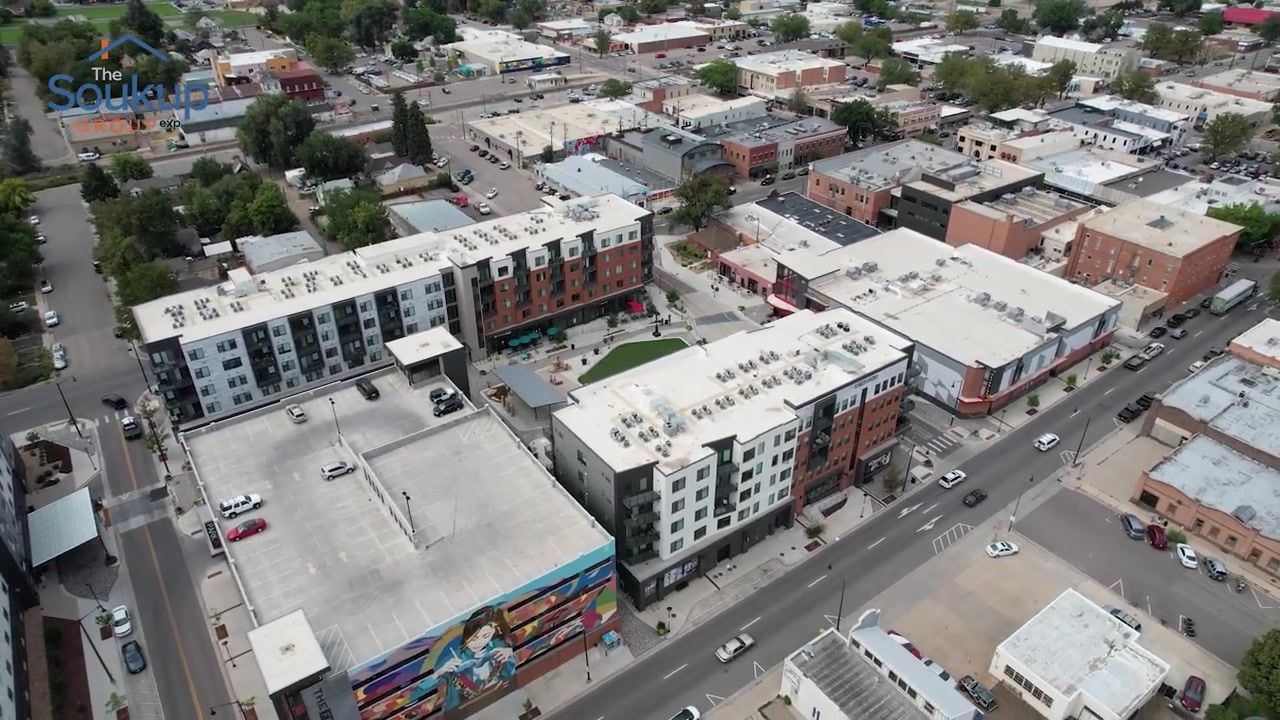
The affordability con explains the schools con. Cost of living, lower birth rates, fewer kids in the areas that have schools. The superintendent named cost of living as a reason enrollment is falling. Young families are getting priced out. Fewer kids potentially equals school closures. Everything connects back to housing. But in 2026, the market has been more pro-buyer. Prices are still high. They have remained relatively flat for the last four years, but buyers have leverage they did not have in 2021 to 2022. Price drops, concessions, homes you can negotiate on. You do not have to jump on the first house you see. You can be patient, calm, make a good offer.
If you are relocating from Denver, Dallas, Houston, or the Bay Area, your version of traffic and Fort Collins traffic are not the same. If you are coming from a major metro, you will wonder what we are complaining about. If you have been here since the '60s and '70s, you remember when Fort Collins was smaller, and the trains and College Avenue feel like a bigger deal. Perspective matters. The same goes for air quality. If you have asthma or respiratory issues, the 51 days over the EPA limit in 2026 matter. If you do not, you might not notice. The wildfire risk number, 72% of properties, sounds scary, but Fort Collins has 99% of utilities underground, which reduces the downed-power-line risk that caused the Marshall Fire in Boulder. Insurance near the foothills costs more, but the day-to-day wildfire threat is not what that number suggests.
Utility bills are going up. Sales tax might go up. Property tax bills are above the national median even though the rate is low. If you need the cheapest option on the Front Range, Fort Collins is not it. Greeley, Loveland, Windsor, and Cheyenne are where people priced out of Fort Collins are moving. But if you prioritize outdoor access, a well-run city, a college town vibe, and a community where 91% of residents love living, Fort Collins is worth the cost. The 2026 market gives you negotiation room we have not seen in years. Homes are sitting longer. Sellers are offering concessions. You can ask for inspection repairs and rate buydowns. If you have been waiting for leverage, this is it.
Conclusion: Is Fort Collins Worth It in 2026?
Fort Collins is worth it in 2026 for the right person. It is right for people who prioritize the outdoors, a city that is well-maintained, a stable job market, college town energy, and who go in with eyes wide open on the cost. It is not for someone who needs big city amenities, cannot budget for rising utilities and taxes, or needs the cheapest option on the Front Range. The city survey, 900 residents in August 2026, tells the story. People love the lifestyle, hate the cost, and are not leaving. Ninety-one percent say it is a good or very good place to live. Eighty-seven percent plan to stay at least five years. Only 6% rate housing affordability as good, the lowest since 2013. Both things are true.
The 2026 market is the most buyer-friendly we have seen in years. Homes sit 47 to 48 days. Over half the September sales included concessions. Thirty-seven percent had price drops. You have negotiation room: concessions, inspection asks, rate buydowns. These are things buyers could not get in 2021 to 2022. Interest rates are up, but the house you buy now, you might own for 7, 10, 15 years. You have leverage we have not seen in a long time. If you are thinking about moving to Fort Collins or Northern Colorado, whether you are three months out or three years out, give my team and me a call/text at 970-893-3533 or book a FREE consultation here. We work with relocating families daily. We will walk you through what negotiation room looks like on a specific neighborhood or house. We will talk you through the pros and cons, the trade-offs, the lifestyle fit.
FAQ: Living in Fort Collins Colorado
What is the cost of living in Fort Collins in 2026?
The median home price in Fort Collins is $577,000 as of August 2026. Rents run about $1,400 for a one-bedroom, $1,800 for a two-bedroom, and $2,400 for a three-bedroom. The median property tax bill is $3,149, about $749 above the national median, even though the effective rate is low at 0.57%. Combined sales tax is 8.3%, and utility bills are proposed to increase about $19 per month in 2027. Only 6% of residents rate housing affordability as good, the lowest since 2013.
Is Fort Collins a safe place to live?
Eighty-seven percent of residents feel safe overall in the 2026 city survey. Fort Collins is a well-maintained city with low unemployment at 3.6% and a strong focus on outdoor access and infrastructure. Crime is not a major concern for most residents, and the city runs services well.
What are the job opportunities like in Fort Collins?
Unemployment is 3.6% in Fort Collins as of June 2026, below the 4.4% national rate. Major employers include CSU, UC Health, Banner Health, Broadcom, HP, Woodward Governor, and OtterBox. However, only 25% of residents rate the availability of good jobs as good, down from 35% in 2025. Locals say good jobs are harder to land. If you are relocating, line up the job first or bring a remote one. Twenty percent of residents work from home, and the city-owned gigabit fiber internet is some of the best in town.
How is the Fort Collins housing market in 2026?
The Fort Collins housing market in 2026 is the most buyer-friendly we have seen in years. Homes sit 47 to 48 days and sell for 99.1% of list. Thirty-seven percent of homes had price drops, and over 50% of September sales included concessions. There is real negotiation room: concessions, inspection asks, rate buydowns. Prices are still high at a median of $577,000, but buyers have leverage they did not have in 2021 to 2022.
What are the pros and cons of living in Fort Collins?
Pros: 91% of residents rate it a good or very good place to live; 96% satisfaction on outdoor access and trails; low property tax rate at 0.57%; low unemployment at 3.6%; platinum bicycle-friendly status; city-owned gigabit fiber internet; Old Town and the beer scene; 300-plus days of sun. Cons: housing affordability rated good by only 6% of residents; utility bills rising about $19 per month in 2027; sales tax 8.3% and may increase; traffic rated good by only 31%; air quality had 51 days over EPA limit in 2026; school closures recommended for nine schools; good jobs harder to land despite low unemployment.
How far is Fort Collins from Denver and DIA?
Fort Collins is about 70 miles from Denver International Airport, roughly an hour drive, longer with traffic or weather. Denver is close enough for a Broncos game or concert but far enough that you plan the drive. Fort Collins is not a big city, and if you need a major airport at your doorstep or big city amenities daily, it will feel small.
Living in fort collins x The Soukup Group
Expert market analysis and Northern Colorado lifestyle insights from the region's top 1% authority.

Stay ahead of trends
FORT COLLINS AND BEYOND Market UPDATES.
Go beyond the headlines with our deep-dive analysis into local real estate trends and economic shifts. We translate complex market data into actionable advice for homeowners and investors.