Is Windsor Colorado Ready for 60,000 People?
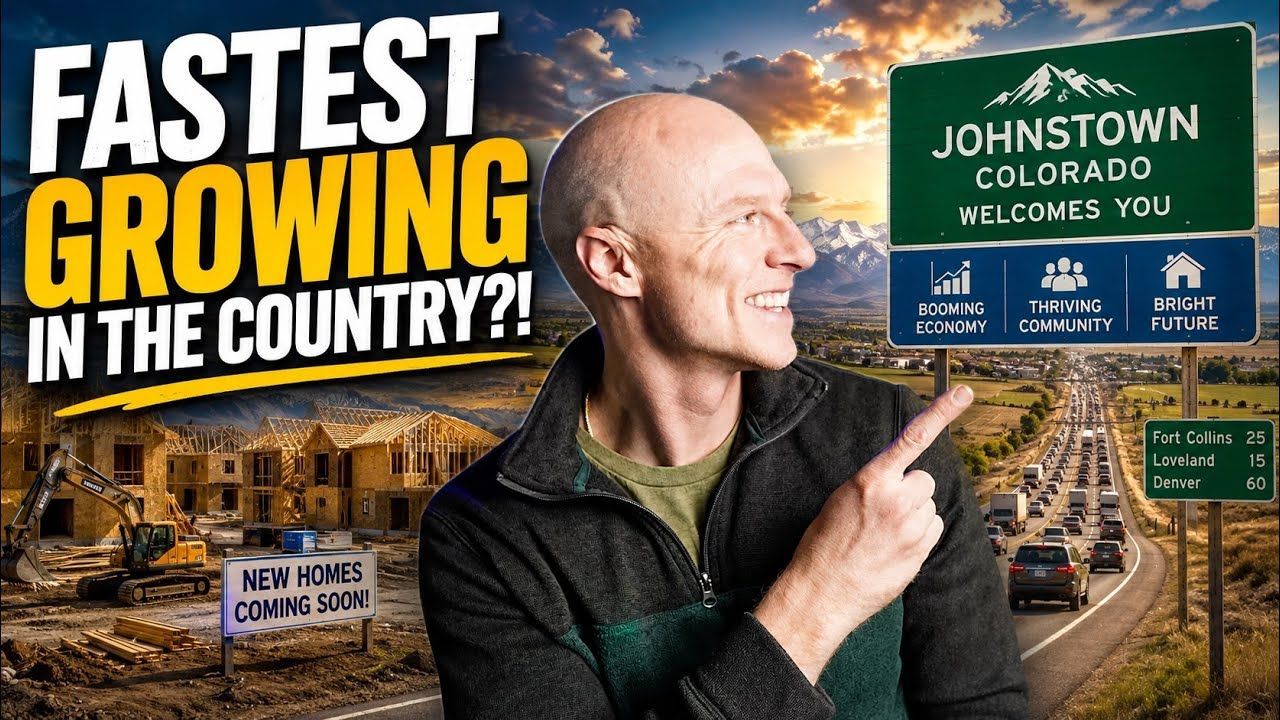
Windsor sits just east of Fort Collins, and if you haven't been paying attention, you might still think of it as that small town off Highway 34. That version of Windsor is disappearing fast. The infrastructure is going in, the master plans are approved, and the cranes are up. This isn't speculative growth or a developer's fever dream. Windsor is building for 60,000 people, and it's happening now.
I'm Patrick Soukup, and I've watched Northern Colorado change for years. Fort Collins gets the headlines. Loveland gets the lake. Windsor? Windsor is doing something quieter and, in some ways, more deliberate. The town is planning ahead instead of reacting. Roads are widening before the traffic hits. Parks are platted before the houses go up. If you're relocating here and you want to see what intentional growth looks like, this is the place to watch.
This isn't a tour of one neighborhood. Windsor's transformation is bigger than that. It's about understanding how a town prepares for a population that will more than double, what that means for buyers today, and whether the infrastructure can keep up with the ambition. Let's look at what's actually happening on the ground.
Table of Contents
- What 60,000 People Means for Windsor
- Infrastructure First: Roads, Water, and the Build-Out Timeline
- New Construction and Master-Planned Communities
- What Windsor Still Lacks (And When That Might Change)
- Comparing Windsor to Fort Collins and Loveland
- Which Stage of Growth Should You Buy Into?
- Conclusion
What 60,000 People Means for Windsor
Windsor's current population hovers around 30,000, give or take. The build-out plan targets 60,000. That's not a wish. That's the number the town is engineering toward. You can see it in the road projects, the water rights acquisitions, and the sheer amount of dirt moving on the east and south sides of town.
For buyers, this means you're not moving to a finished product. You're moving into a construction zone that will take a decade or more to complete. Some people love that. You get in early, you lock in a price before the amenities arrive, and you watch your equity grow as the town fills in around you. Other people hate it. You're living next to dirt lots, driving around detours, and waiting years for the grocery store or the park they promised.
I think the key question is whether Windsor can manage this growth without turning into the kind of sprawl that makes people regret moving here. So far, the signs are better than average. The town is requiring developers to build parks, trails, and community spaces as part of the approval process. They're not just saying yes to every builder who shows up with a checkbook. But that doesn't mean it's going to be seamless. Growth at this scale always comes with friction.
The other thing to understand is that Windsor is not trying to be Fort Collins. It's not trying to be a college town or a craft beer destination. It's building for buyers who want space, newer homes, and a slower pace without giving up access to the Front Range job market. If that's what you're after, Windsor is worth a serious look. If you want walkable downtown charm and established neighborhoods, you're going to be disappointed.
Infrastructure First: Roads, Water, and the Build-Out Timeline
One of the things Windsor is doing right is putting infrastructure in before the population explodes. Highway 34 is widening. New interchanges are going in. Water and sewer lines are being extended into areas that are still fields today. This is the opposite of what happened in a lot of Colorado towns during the last growth cycle, where the houses went up first and the roads played catch-up for a decade.
That said, you're still going to deal with construction. If you move to Windsor in the next few years, you're going to spend time sitting in traffic cones and watching graders reshape the landscape. The question is whether you're okay with short-term inconvenience in exchange for long-term planning. I think most buyers underestimate how long construction phases last. A road project that's supposed to take two years can stretch to three or four when weather and supply chains get involved.
Water is the other big piece. Colorado is a prior appropriation state, and water rights are everything. Windsor has been aggressive about securing water for future growth, which is one reason the town feels confident about the 60,000 number. But water is also expensive, and those costs get passed down to buyers through tap fees and utility rates. If you're comparing Windsor to a town with older, cheaper infrastructure, factor that in.
The build-out timeline is long. We're talking 10 to 15 years before Windsor hits that 60,000 mark, maybe longer depending on the economy. If you're buying today, you're buying into the early or middle stages of that process. Some neighborhoods will feel finished in five years. Others will still have empty lots and dirt roads. Ask your agent which phase of development a community is in before you make an offer.
New Construction and Master-Planned Communities
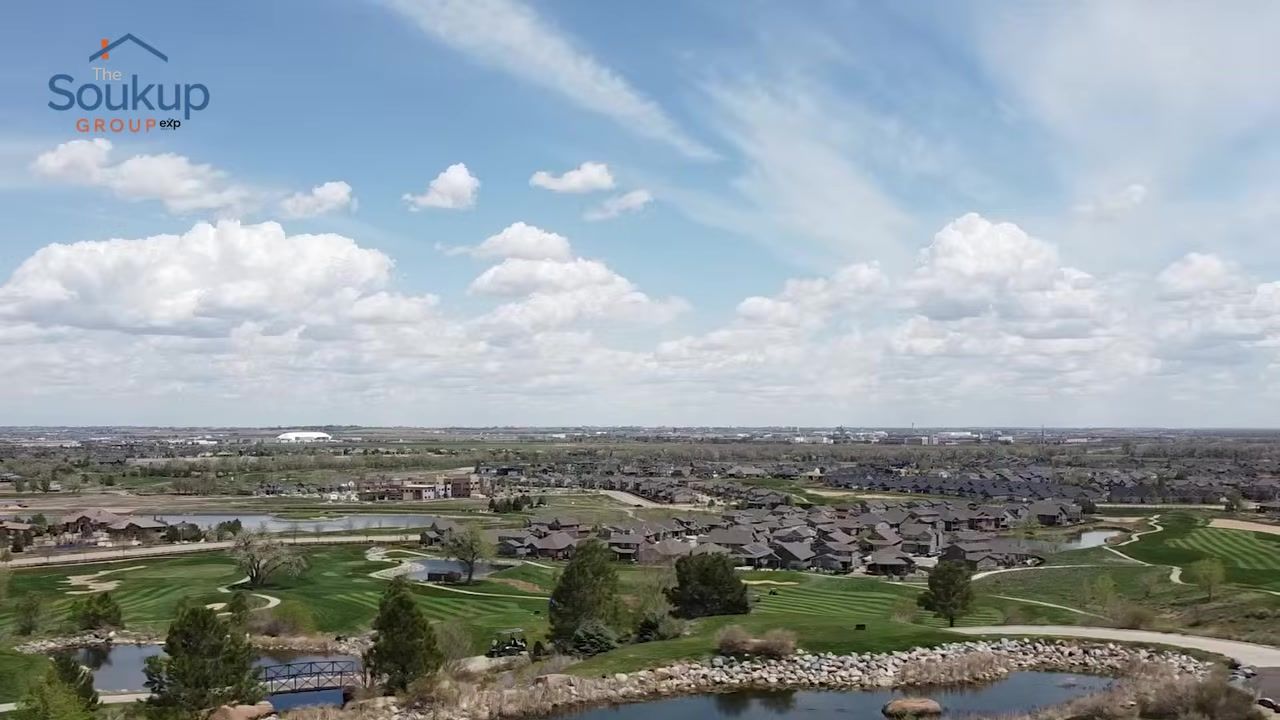
Most of what's going up in Windsor right now is new construction. You'll find a few resale homes in the older parts of town, but the growth is happening in master-planned communities on the edges. These are the big projects with names, amenities, and HOAs. Expect pools, clubhouses, trails, and design guidelines that keep everyone's house looking like it belongs in the same decade.
Pricing varies, but you're generally looking at homes in the mid-$400s to $600s, depending on size and builder. That's cheaper than comparable new construction in Fort Collins, and it's competitive with Loveland depending on the neighborhood. The trade-off is that you're farther from the amenities and job centers that make Fort Collins and Loveland attractive. Windsor is a commuter town, and it's going to stay that way for a while.
The builders are the usual suspects: national production builders who can move volume and keep costs down. You're not getting custom architecture or unique floor plans. You're getting efficient layouts, modern finishes, and homes that look a lot like the ones going up in every other growth market in the Mountain West. If that bothers you, Windsor might not be your place. If you want new, low-maintenance, and turnkey, it's a solid option.
One thing I tell buyers is to pay attention to lot size and orientation. Some of these master-planned communities pack homes in tight to maximize density. You might have 10 feet between you and your neighbor, and your backyard might be 20 feet deep. If you're coming from a state where quarter-acre lots are standard, that can feel claustrophobic. Walk the lots, not just the model homes, before you commit.
What Windsor Still Lacks (And When That Might Change)
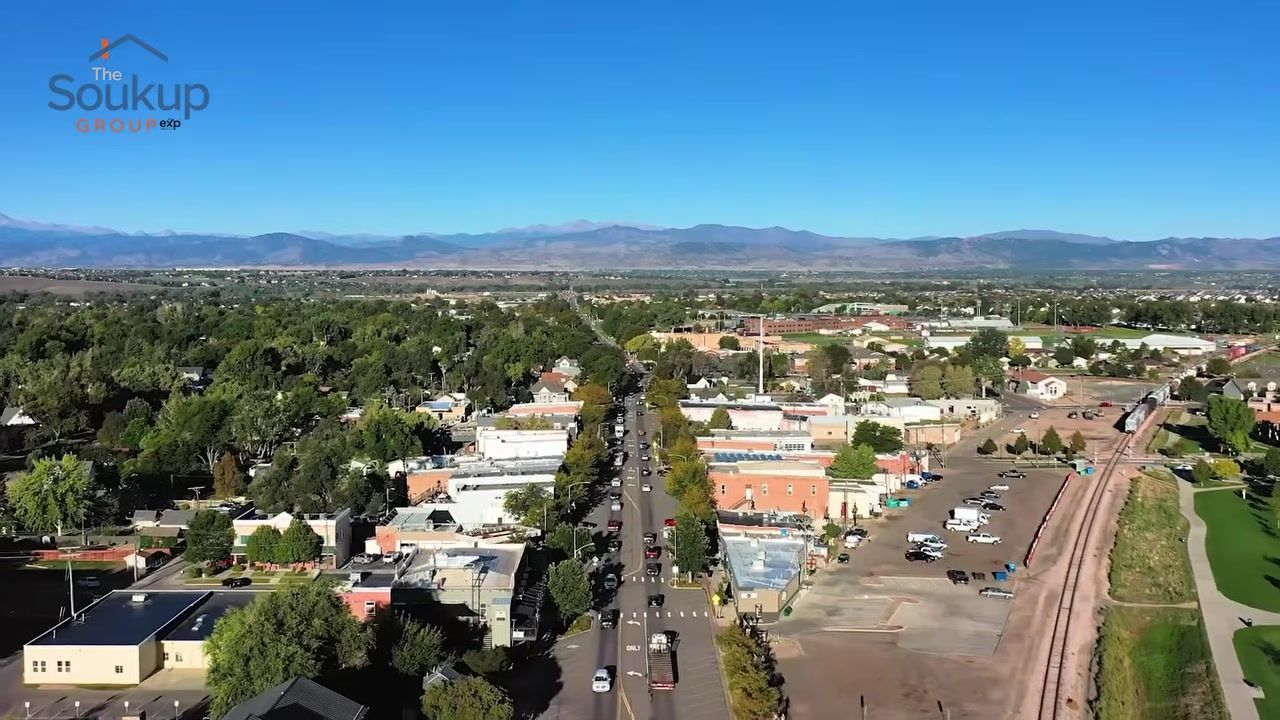
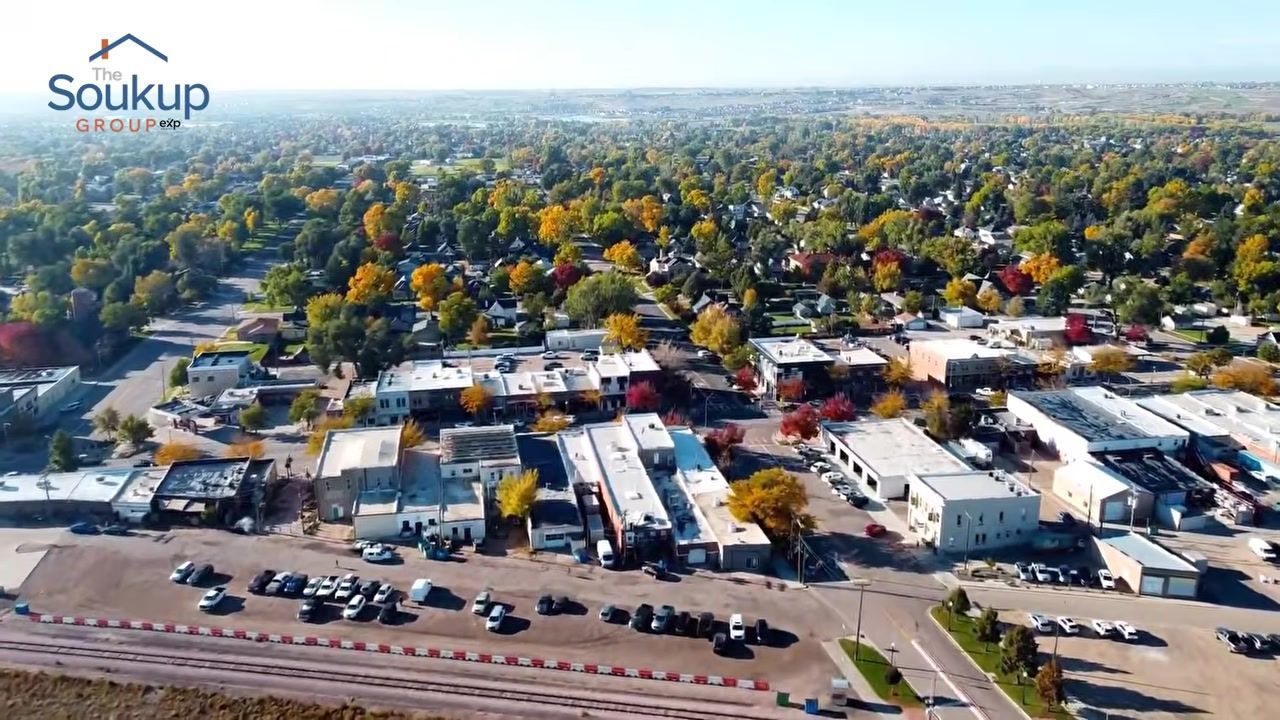
Windsor is building fast, but it's still missing a lot of the things that make a town feel complete. The retail and restaurant scene is thin. You've got the basics, grocery stores, gas stations, chain restaurants, but if you want variety or local spots, you're driving to Fort Collins or Loveland. That's not going to change overnight. Retail follows rooftops, and Windsor is still in the rooftop phase.
The same goes for entertainment and nightlife. Windsor is quiet. If you want live music, breweries, or a downtown scene, you're leaving town. Some buyers love that. They want a place to sleep and raise kids, and they're fine driving 15 minutes for everything else. Other buyers feel isolated. Know which type you are before you move here.
Schools are another question mark. Weld County RE-4 serves Windsor, and the district is building new schools to keep up with growth. But growing districts always have growing pains. Class sizes can spike, boundaries can shift, and the newest schools might not be finished when your kid is ready to start. If schools are a priority, verify current enrollment numbers and construction timelines with the district directly. I'm not going to tell you whether the schools are good or bad. That's your homework.
The upside is that Windsor has room to grow into these gaps. The town is planning for commercial development, and as the population hits critical mass, the retail and restaurant options will follow. If you're buying now, you're betting that Windsor in 2030 or 2035 will feel a lot more complete than Windsor today. That's a reasonable bet, but it's still a bet.
Comparing Windsor to Fort Collins and Loveland
If you're relocating to Northern Colorado, you're probably comparing Windsor to Fort Collins and Loveland. Here's how I see the trade-offs.
Fort Collins is the established option. You get walkable neighborhoods, a strong job market, Colorado State University, and a downtown that actually feels like a downtown. You also pay for it. Median home prices in Fort Collins are significantly higher than Windsor, and inventory is tight. If you want charm and amenities now, Fort Collins is worth the premium. If you're priced out or you want new construction, Fort Collins might not work.
Loveland is the middle ground. It's cheaper than Fort Collins, it has more space, and it's close to the lake. The downtown is smaller but improving, and you're still within easy reach of the Front Range job market. Loveland feels more settled than Windsor, but it's also dealing with growth and traffic. If you want a balance between established and growing, Loveland is a strong choice.
Windsor is the bet on the future. You're getting newer homes, lower prices, and a town that's planning ahead. You're also getting construction, limited amenities, and a longer commute to the places that make Northern Colorado appealing. Windsor works if you're okay with delayed gratification and you believe the town will deliver on its promises. It doesn't work if you need everything to be finished when you move in.
One other factor: Windsor is in Weld County, which has different tax rates and a different political climate than Larimer County (where Fort Collins and Loveland sit). Some buyers care about that. Some don't. If county-level governance matters to you, do your research.
Which Stage of Growth Should You Buy Into?
Not all growth is created equal, and not all phases of a build-out are equally appealing. If you're buying in Windsor, think about where you want to be in the timeline.
Early-stage neighborhoods are mostly dirt and promises. You'll get the lowest prices, but you'll also live with construction noise, unfinished roads, and a lack of nearby services for years. This works if you're patient and you want maximum appreciation potential. It doesn't work if you need a finished neighborhood today.
Mid-stage neighborhoods have some homes occupied, some amenities open, and some infrastructure complete. You're still dealing with construction, but it's not as raw. Prices are higher than early-stage, but you're not waiting as long for the neighborhood to feel livable. This is the sweet spot for a lot of buyers.
Late-stage neighborhoods are nearly built out. Most of the homes are occupied, the amenities are open, and the construction is winding down. You pay a premium, but you know what you're getting. If you don't want to gamble on future development, this is the safer play.
Ask your agent which stage a community is in and what the developer's timeline looks like for finishing roads, parks, and amenities. Don't assume the model home experience reflects what living there will actually feel like for the next five years.
Conclusion
Windsor is building for 60,000 people, and that's not a slogan. It's a plan backed by infrastructure, water rights, and approved developments. If you're relocating to Northern Colorado and you want new construction at a price point below Fort Collins, Windsor deserves a close look. Just understand what you're signing up for. You're buying into a town that's still under construction, and it's going to stay that way for a long time.
I think Windsor is doing growth better than a lot of Colorado towns, but better doesn't mean easy. You'll deal with detours, dirt lots, and a limited amenities base for years. The payoff is a newer home, a lower price, and the chance to be part of a town that's planning ahead instead of reacting. If that trade-off makes sense to you, let's talk about which neighborhoods and which stage of development fits your timeline.
If you're serious about Windsor or anywhere else in Northern Colorado, let's get on a Zoom call and walk through your options. I'll show you what's actually available, what the build-out timelines look like, and how to avoid the common mistakes buyers make in growth markets. Reach out, and let's figure out if Windsor is your move.
FAQ: Windsor Colorado Growth and Home Buying
How long will it take Windsor to reach 60,000 people?
The build-out timeline is roughly 10 to 15 years, depending on the economy and how fast developers can move. Some neighborhoods will feel finished in five years, while others will still be under construction a decade from now. If you're buying today, expect to live with ongoing growth and construction for most of the next decade.
Is Windsor cheaper than Fort Collins and Loveland?
Yes, especially for new construction. Windsor's median home prices are lower than Fort Collins and competitive with Loveland. The trade-off is that you're farther from amenities, job centers, and the established neighborhoods that make those towns appealing. You're paying less because you're buying into a town that's still building out.
What's the commute like from Windsor to Fort Collins or Denver?
Fort Collins is about 15 to 20 minutes depending on where you're going. Denver is 60 to 75 minutes in good traffic, longer during rush hour. Windsor is a commuter town, so factor drive time into your decision. If you're working remotely or your job is in Northern Colorado, the commute is manageable. If you're driving to Denver daily, it's going to get old.
Are there local schools in Windsor?
Weld County RE-4 serves Windsor, and the district is building new schools to keep up with growth. I'm not going to rate the schools for you. Verify current enrollment, test scores, and construction timelines directly with the district. Growing districts can have growing pains, so do your homework before you assume the newest school will be ready when your kid needs it.
What amenities does Windsor have right now?
Windsor has the basics: grocery stores, gas stations, and chain restaurants. It doesn't have a strong local dining scene, nightlife, or entertainment options. If you want variety, you're driving to Fort Collins or Loveland. Retail and restaurants will follow as the population grows, but that's a future promise, not a current reality.
Should I buy early in a new Windsor neighborhood or wait until it's built out?
That depends on your tolerance for construction and your timeline. Early-stage neighborhoods offer lower prices and higher appreciation potential, but you'll live with dirt, noise, and unfinished infrastructure for years. Late-stage neighborhoods cost more, but you know what you're getting. Most buyers find the mid-stage sweet spot, where some homes are occupied and some amenities are open, to be the best balance.
Living in fort collins x The Soukup Group
Expert market analysis and Northern Colorado lifestyle insights from the region's top 1% authority.
Stay ahead of trends
FORT COLLINS AND BEYOND Market UPDATES.
Go beyond the headlines with our deep-dive analysis into local real estate trends and economic shifts. We translate complex market data into actionable advice for homeowners and investors.