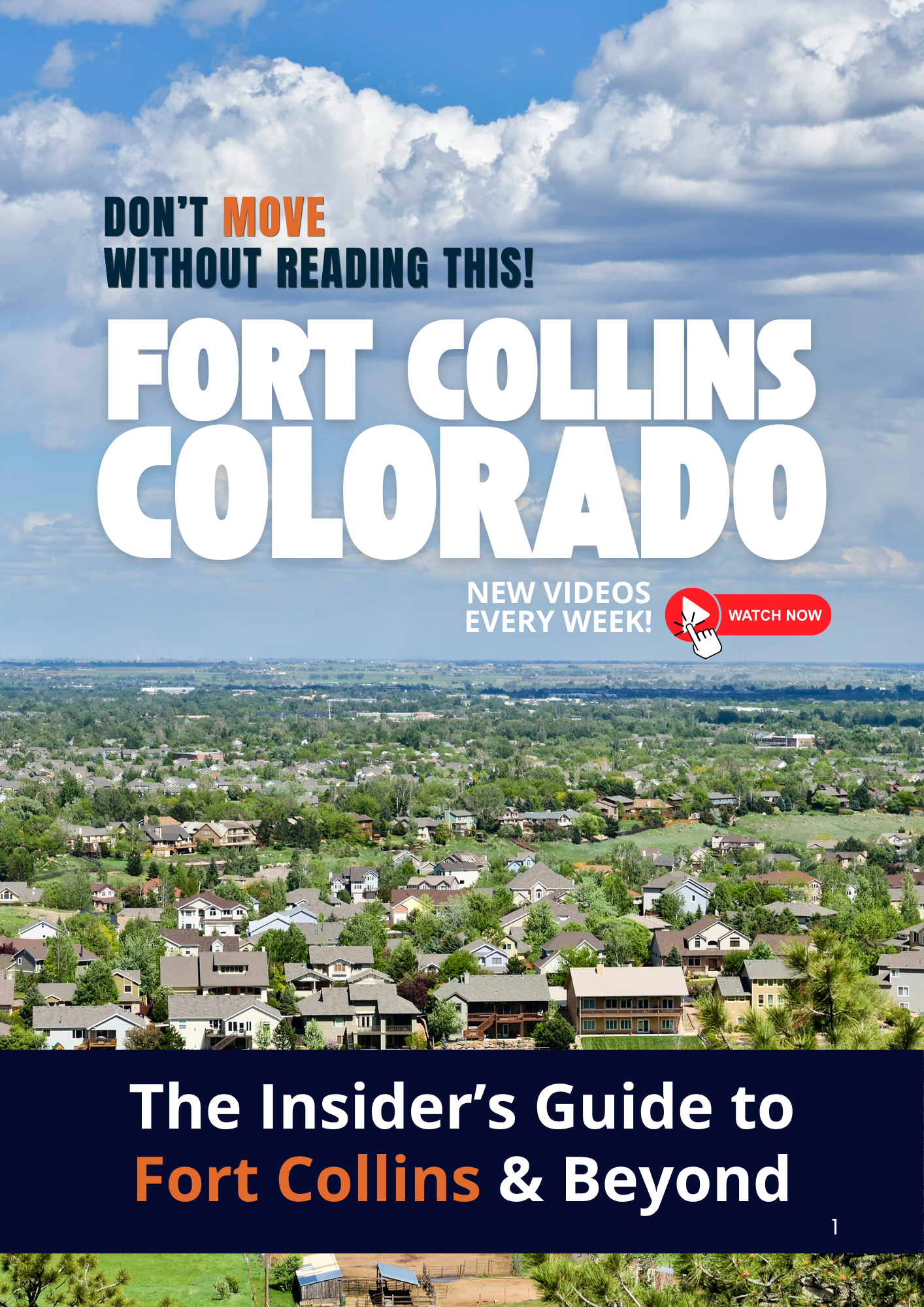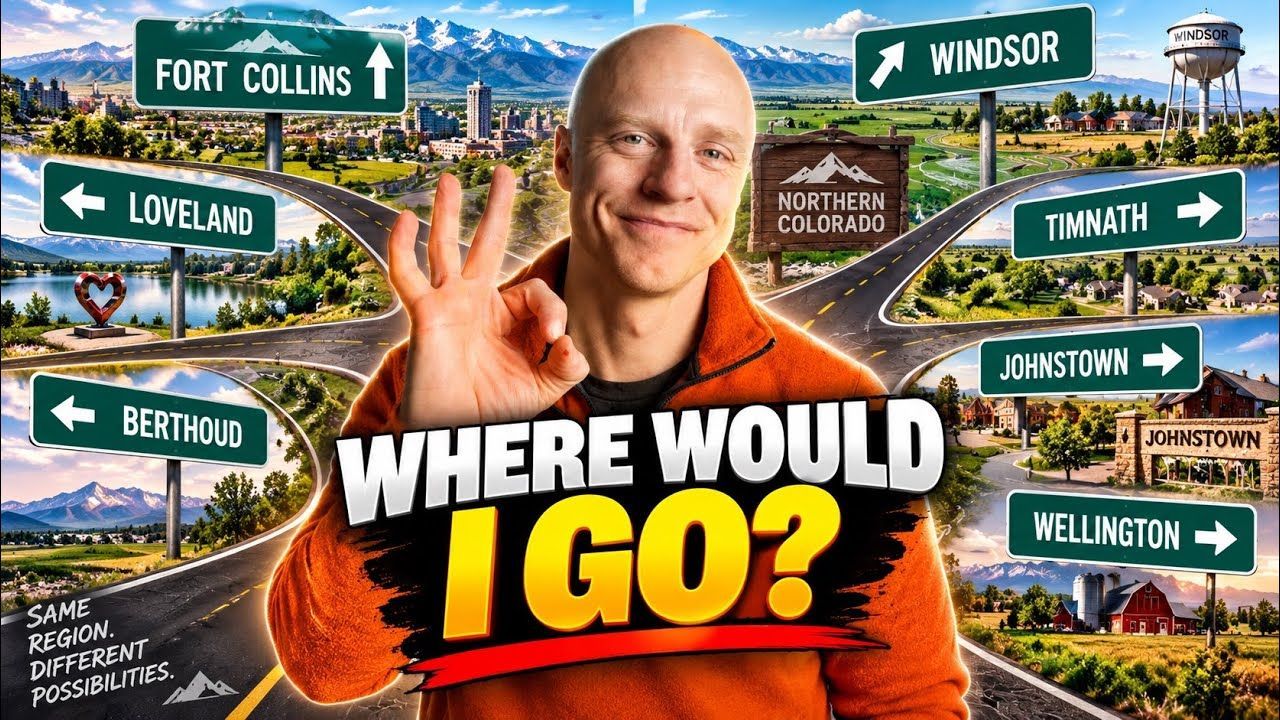
When people start thinking about moving to Northern Colorado, the search usually starts with Denver and maybe Fort Collins. But there is a whole region north of Denver that deserves a much closer look. Northern Colorado is not just one city. It is a cluster of communities with different personalities, price points, commutes, schools, and lifestyles.
If we are serious about moving to Northern Colorado, we need to stop thinking of it as a single dot on the map. This region is largely made up of Larimer County and Weld County, and that means everything from Fort Collins and Loveland to Windsor, Greeley, Berthoud, Johnstown, Wellington, Estes Park, and beyond.
Some places lean more college town. Some feel more suburban. Some are still the value play. Some are exploding with development. And some give us easier access to the foothills, Denver, DIA, or Wyoming.
The big draw across nearly all of it is simple: lifestyle. We are talking about sunshine, access to lakes and trails, quick mountain escapes, growing job centers, and enough variety that we can actually match the town to the life we want.
Table of Contents
- What Counts as Northern Colorado
- Why People Are Moving to Northern Colorado
- Getting Around Northern Colorado
- Living in Fort Collins, Colorado
- Living in Loveland, Colorado
- Living in Greeley, Colorado
- Living in Windsor, Colorado
- Other Northern Colorado Towns
- Northern Colorado Schools and Jobs
- What $600K Buys in Northern Colorado
- FAQs About Moving to Northern Colorado
What Counts as Northern Colorado
At the simplest level, Northern Colorado sits north of Denver and is centered around Larimer and Weld counties.
On the Larimer County side, the big names are Fort Collins, Loveland, Berthoud, Wellington, and Estes Park. On the Weld County side, the major centers include Greeley, Evans, Windsor, Severance, Johnstown, Frederick, and Firestone.
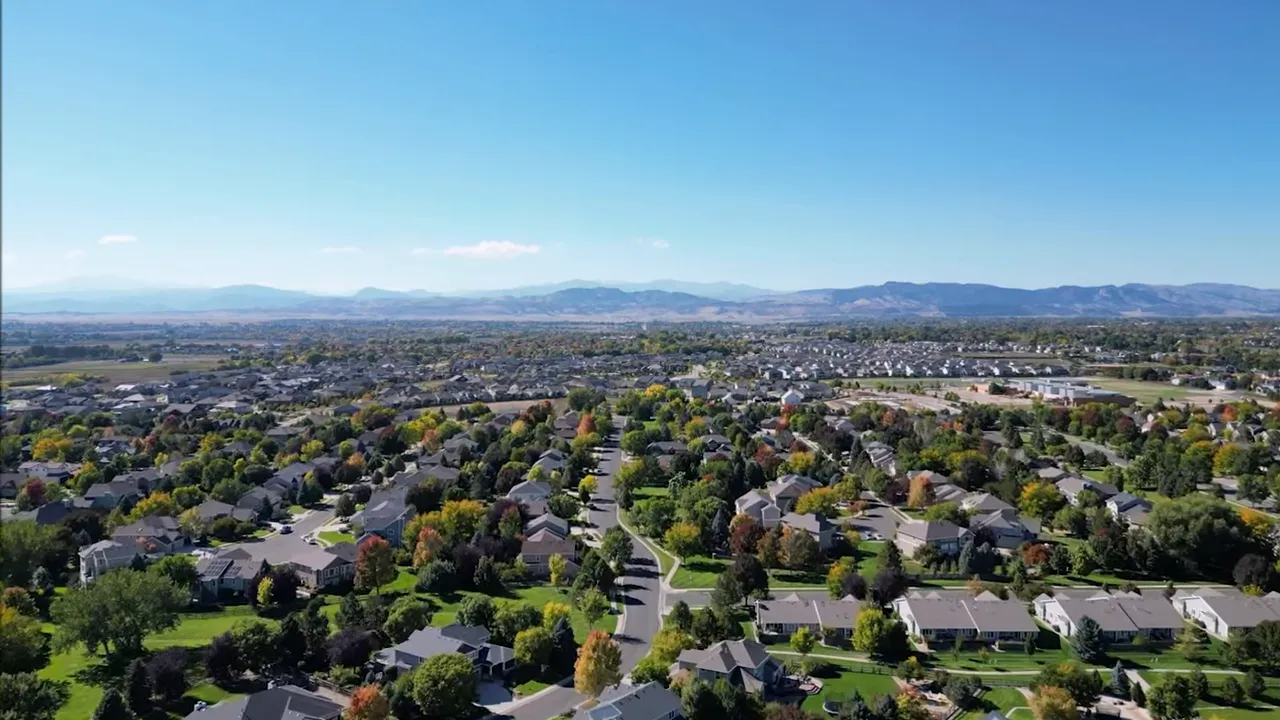
One of the easiest ways to understand the region is to use I-25 as a rough dividing line. Much of Larimer County's major population sits to the west of I-25. Much of Weld County's population growth stretches to the east of I-25.
That matters because geography shapes everything here. It affects weather, scenery, access to recreation, and even what kind of daily rhythm we get in each town.
EXPLORE HOMES FOR SALE IN NORTHERN COLORADO
Why People Are Moving to Northern Colorado
If we are talking about moving to Northern Colorado, the first thing to understand is that people are not coming only for jobs or lower prices. They are coming for a way of life.
The west side of the region, especially along the foothills, gets a huge benefit from climate and topography. We get a lot of sunshine, and the corridor near the foothills is especially desirable because it keeps us close to outdoor recreation without putting us deep into the mountains.
As we move farther east into the plains, conditions can get windier and harsher. That does not make those towns bad options. It just means the feel changes. The most concentrated growth and demand tend to stay within about 15 to 20 miles of the I-25 corridor.
And the growth is real. Towns that once felt sleepy or almost disconnected are now building out rapidly. Places like Berthoud, Johnstown, Frederick, and Firestone have changed dramatically. Northern Colorado is expected to keep growing for decades, but it is still nowhere near the size or intensity of a giant metro area.
The outdoor options are a big reason for that demand. We have:
- Horsetooth Reservoir near Fort Collins
- Boyd Lake near Loveland
- Carter Lake and the future Chimney Hollow area
- Trail systems up and down the Front Range
- Quick access to Estes Park and Rocky Mountain National Park
That is the heart of the pitch for moving to Northern Colorado. We can live in a real town, have everyday amenities, and still be close to hiking, biking, kayaking, golf, skiing road trips, and mountain scenery.
Getting Around Northern Colorado
Commute and access matter a lot when we are choosing where to land.
Fort Collins is the northern anchor. Loveland sits just south of it. Greeley is farther east. Windsor sits in between major centers and has become one of the key connectors in the region.
In broad terms:
- Fort Collins to downtown Denver is often around 45 to 60 minutes
- Loveland cuts some time off that trip
- Greeley can be efficient for Denver and DIA because Highway 85 helps
- Fort Collins to Boulder is roughly 45 minutes
- Loveland to Boulder is closer
- Fort Collins to Rocky Mountain National Park is very manageable
- Fort Collins also has strong access north into Cheyenne and Laramie
If our work or travel pulls us toward Denver, the southern edge of Northern Colorado, especially places like Johnstown, Frederick, and Firestone, can make a lot of sense.
There are also two future transportation stories worth paying attention to.
Northern Colorado Regional Airport
The airport jointly connected to Fort Collins and Loveland is undergoing major upgrades. The buildout includes a terminal, runway expansion, and a control tower plan. The long-term hope is more consistent commercial service closer to home.
Front Range Passenger Rail
The passenger rail concept could be a major long-term shift for the region. The idea is to connect Fort Collins south through places like Loveland and Longmont and down into Denver. The early projections discussed include several daily trips and a ride time from Fort Collins to Denver of about 80 minutes.
If that becomes reality on schedule, it would change how many of us think about commuting, regional access, and future development around station areas.
Living in Fort Collins, Colorado
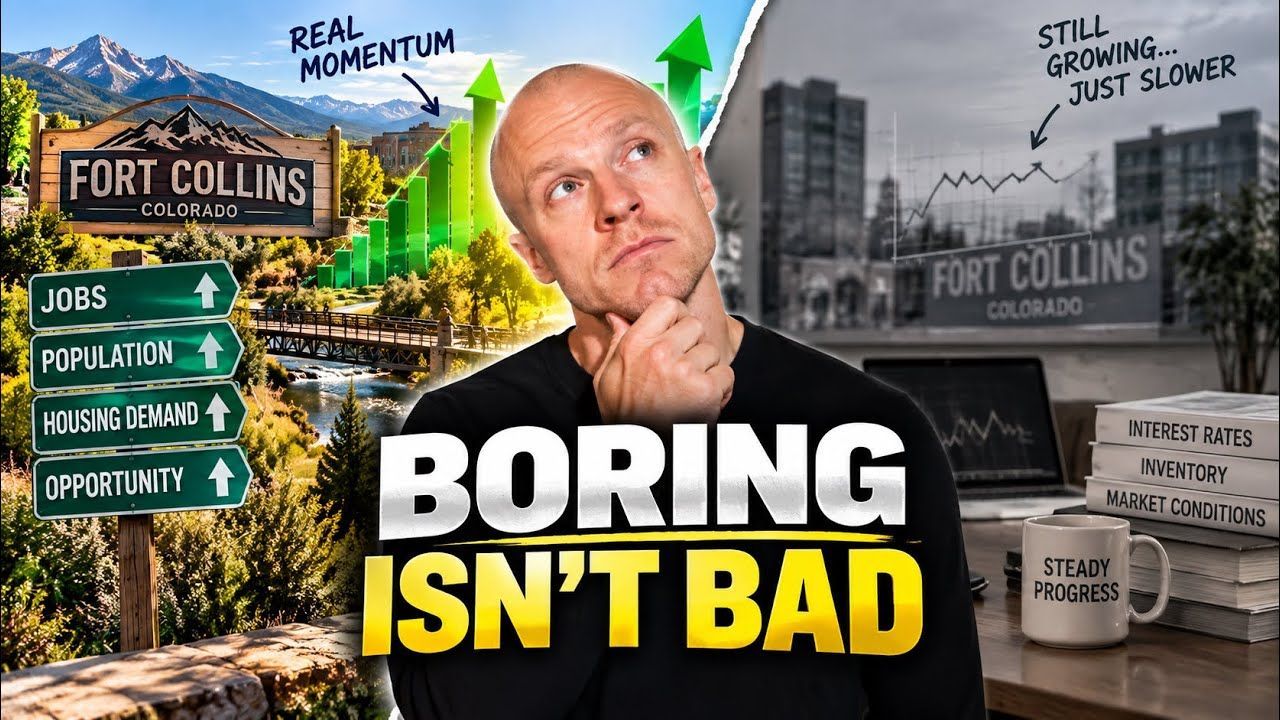
Fort Collins is still the heavyweight in Northern Colorado. If we are moving to Northern Colorado and want the most established identity, the strongest downtown, a major university presence, and a mature mix of neighborhoods, Fort Collins usually sits high on the list.
This is where Colorado State University shapes the vibe. It is also where Old Town gives the city a distinct identity that a lot of people fall in love with.
Old Town is full of local flavor. We get independent shops, restaurants, breweries, events, and a true downtown environment. If walkability matters, this is one of the strongest areas in the region. Outside of downtown, Fort Collins is still very bike friendly, but most daily life usually involves a car.
Fort Collins is known for:
- Colorado State University
- Old Town and brewery culture
- Access to Horsetooth Reservoir and foothills trails
- Strong employment base
- Higher home prices relative to nearby alternatives
The tradeoff is price. Fort Collins tends to be the most expensive of the major Northern Colorado cities discussed here. But for many people, the location, character, and amenities justify it.
Living in Loveland, Colorado
Loveland used to be the place many people chose because Fort Collins was too expensive. That still happens, but the story has changed.
Today, more people are choosing Loveland because they actually want Loveland.
The city has a more relaxed feel than Fort Collins, and it puts us a bit closer to Estes Park and Rocky Mountain National Park. It also has meaningful growth happening on the northwest side and along the I-25 and US 34 corridor.
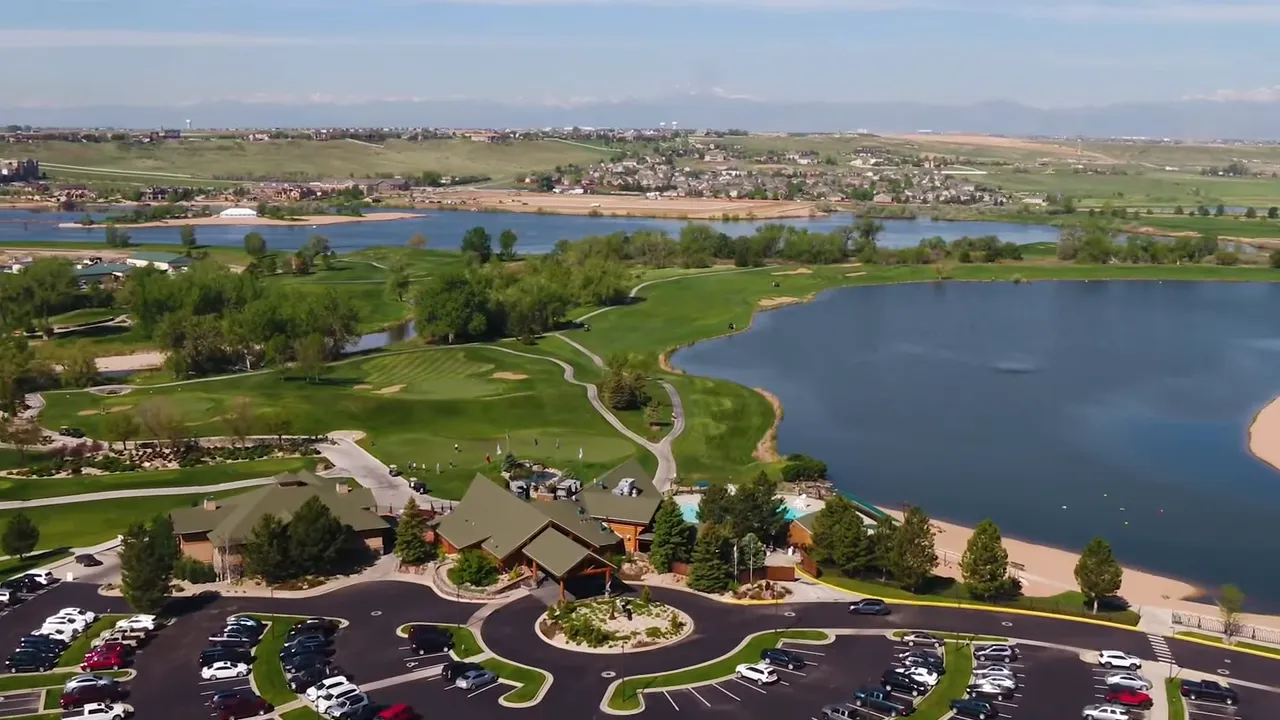
Loveland has strong recreation access with Boyd Lake, Lake Loveland, Carter Lake nearby, Devil's Backbone, and western canyon access toward Estes Park.
Downtown Loveland has also been getting serious reinvestment. The Foundry is one of the clearest examples, with mixed-use redevelopment that includes restaurants, apartments, retail, and entertainment.
That is important because Loveland's story is not just suburban expansion. It is also about revitalization. It has older bones than some newer growth areas, but there is a lot of money and energy going into making those older areas more vibrant.
Compared with Fort Collins, Loveland often gives us a little more house for the money, a slightly calmer pace, and strong access to shopping along the Centerra corridor.
Living in Greeley, Colorado
If budget matters, Greeley becomes a serious contender very quickly.
Among the major cities in this region, Greeley is often the affordability leader. Compared with Fort Collins, the median price difference can be significant. That means more square footage, bigger lots, and more frequent 3-car garage at the same budget.
But it is a mistake to think of Greeley as only the cheaper option.
The city has real momentum, especially on the west side where a lot of development is happening. It also has the University of Northern Colorado, a growing medical presence, and a downtown that deserves more credit than it usually gets.
Greeley has long been tied to agriculture, oil, and industry, and that still shapes the local economy. But there is also institutional growth, healthcare investment, and a lot of new construction pushing the city forward.
For anyone considering moving to Northern Colorado and wanting a better entry point into the market, Greeley is worth a much harder look than many people initially give it.
Living in Windsor, Colorado
Windsor sits right in the middle of a lot of what makes Northern Colorado work. It is between Fort Collins and Greeley, close to Loveland, and attractive to people who want a residential feel with access to the rest of the region.
Windsor has grown dramatically over the past couple of decades and still has room to expand. It remains heavily residential, but the commercial side is catching up.
One of Windsor's standout strengths is golf. For a town its size, the number of strong courses in and around it is impressive, including Pelican Lakes, Highland Meadows, TPC Colorado nearby, and Raindance National in the broader area.
Windsor also has a charming downtown and community gathering spots around Windsor Lake and Boardwalk Park.
The biggest challenge in Windsor is traffic flow. There is a lot of growth on both sides of town, and moving east-west through downtown can get frustrating. If we choose Windsor, that local congestion question is one of the first things we should personally test during a scouting trip.
Still, for many households, Windsor hits a sweet spot. It offers a family-oriented, residential feel while keeping us plugged into the larger tri-city pattern forming between Fort Collins, Loveland, and Greeley.
Other Northern Colorado Towns
The major cities get most of the attention, but several smaller communities matter a lot when we are moving to Northern Colorado.
Berthoud
Berthoud has grown fast, has a charming small-town core, sits on the west side of I-25, and benefits from proximity to outdoor access. TPC Colorado adds to its profile, and the town has been investing in amenities like recreation facilities.
Johnstown
Johnstown has seen major development along I-25. It is well positioned for those who want Northern Colorado access but also want to be a bit closer to Denver. Retail growth and tax-generating commercial activity have given it real momentum.
Mead, Frederick, and Firestone
These southern communities make sense for people whose orbit still includes the Denver area. They are part of the larger growth story stretching north from the metro.
Wellington
Wellington has long been a more affordable option north of Fort Collins. Growth was slowed for a time by utility and treatment capacity issues, but development has picked back up. It remains appealing for people who want access to Fort Collins without Fort Collins pricing.
Estes Park
Estes Park is more of a destination town, but it is an important piece of the region. It offers mountain-town atmosphere, tourism, the Stanley Hotel, elk activity, golf, and direct access to Rocky Mountain National Park.
Red Feather Lakes
Red Feather Lakes feels like a completely different world compared with the I-25 corridor. It is a great option for day trips, fishing, hiking, and escaping into a more remote setting without going terribly far.
Northern Colorado Schools and Jobs
For many households, moving to Northern Colorado is not just about scenery. It is also about building a practical life.
This region has several educational anchors:
- Colorado State University in Fort Collins
- University of Northern Colorado in Greeley
- Aims Community College between Greeley and Windsor
- Front Range Community College in Fort Collins
School district lines also matter. Poudre School District covers a surprisingly large area connected to Fort Collins. Loveland has Thompson School District. Other communities tie into their own local systems. If schools are a deciding factor, district boundaries should be checked carefully because they can be less intuitive than people expect.
Employment is spread across different sectors:
- Fort Collins has major employers tied to manufacturing, research, and CSU
- Loveland includes major private employers and regional commercial growth
- Windsor has industrial and energy-related employers nearby
- Greeley remains strong in agriculture, oil, and food production, with healthcare and education growing
That variety is one reason the region feels balanced. It is not dependent on just one kind of job base.
What $600K Buys in Northern Colorado
One of the most useful ways to understand moving to Northern Colorado is to compare the same budget across markets.
Using $600,000 as a benchmark:
Fort Collins
- Roughly 2,400 to 2,700 square feet
- Usually 3 to 4 bedrooms
- Often a 2-car garage, sometimes less in older central neighborhoods
- Lots around 6,000 to 8,000 square feet
Loveland
- Roughly 2,900 to 3,200 square feet
- Often 4 to 5 bedrooms
- More frequent 3-car garages
- Similar lot sizes, often with somewhat newer homes
Greeley
- Roughly 3,300 to 4,000 square feet
- Often 4 to 5 bedrooms and 3 to 4 bathrooms
- 3-car garage are common
- Larger lots, frequently 7,000 to 10,000 square feet or more
That is the tradeoff in a nutshell. Fort Collins gives us stronger central location and identity. Loveland stretches the dollar a bit. Greeley stretches it a lot more.
None of those is automatically the best choice. It depends on whether we value downtown atmosphere, commute, square footage, lot size, school fit, or investment outlook most.
The big picture on moving to Northern Colorado
If we are moving to Northern Colorado, the right question is not just, "Which city is best?" The better question is, "Which city fits the way we actually want to live?"
Fort Collins is the established anchor with the deepest identity.
Loveland is more relaxed and increasingly intentional in its growth.
Greeley offers value and upside.
Windsor is residential, central, and fast growing.
Then we have the supporting cast of Berthoud, Johnstown, Wellington, Estes Park, and others, each with its own niche.
That is why moving to Northern Colorado can be such a strong option. We are not choosing one generic suburb. We are choosing from a region with real variety, real growth, and a lifestyle that keeps pulling people here year after year.
FIND OR BUILD YOUR NEW CONSTRUCTION HOME IN NORTHERN COLORADO
FAQs About Moving to Northern Colorado
Is Fort Collins the best place for moving to Northern Colorado?
Fort Collins is the most established and recognizable option, especially if we want a strong downtown, a university atmosphere, breweries, and foothills access. But it is not automatically the best fit for every household. Loveland, Greeley, and Windsor each offer different advantages.
What is the most affordable city in Northern Colorado?
Among the main cities discussed here, Greeley is typically the affordability leader. It often offers significantly more square footage and larger lots than Fort Collins for the same budget.
Which Northern Colorado town is best for commuting to Denver?
Southern communities like Johnstown, Frederick, and Firestone can make Denver access easier. Loveland is also better positioned than Fort Collins for regular trips south. Greeley can be efficient too because of Highway 85 access.
Is Windsor a good choice for families?
Windsor is often attractive for households looking for a residential feel, community amenities, parks, golf, and central access to the rest of Northern Colorado. The biggest drawback is local traffic congestion through town as growth continues.
What is the main reason people consider moving to Northern Colorado?
The biggest driver is lifestyle. People are drawn by sunshine, outdoor recreation, lakes, trails, proximity to the mountains, and a region that still feels more manageable than a huge metro while continuing to grow.
If you’re thinking about buying in Northern Colorado, I’d love to help you narrow down the right town and the right home for your lifestyle. Call/Text me at 970-893-3533 or book a FREE consultation so we can talk through your goals and next steps.