If you are thinking about moving to Fort Collins, CO, let’s just be honest right out of the gate. Nobody is choosing Fort Collins because it is the cheapest place in America.
It is not bargain basement living. It is also not the most expensive place out there. What makes moving to Fort Collins, CO make sense is the value. The day to day lifestyle here is stacked with amenities that have taken decades to build, protect, fund, and refine.
That is really the story. Fort Collins did not wake up one day and magically have great trails, parks, music, recreation, natural areas, and community spaces. A lot of this has been 50 plus years in the making. And when you look at the full package, it becomes a lot easier to understand why so many people feel strongly about planting roots here.
Table of Contents
- Future Amenities Coming to Fort Collins
- Craft Beer & Live Music Scene
- Golf, Pickleball & Outdoor Sports
- Recreation Centers & Community Pools
- Natural Areas & Open Space
- Parks & Playgrounds
- Poudre River & Whitewater Park
- Historic Old Town Fort Collins
- Horsetooth Reservoir, Lory State Park & the Foothills
- Fort Collins' Connected Trail System
- FAQs About Moving to Fort Collins
Future Amenities Coming to Fort Collins
One of the best arguments for moving to Fort Collins, CO is not just what is already here. It is what is still being built.
The Southeast Community Center is a perfect example. This is planned as a roughly $100 million facility on the southeast side of town near Twin Silo Park and Fossil Ridge High School. It is expected to combine a public library, recreation center, indoor and outdoor pools, gathering spaces, basketball, running tracks, and community programming into one major civic hub.
View Homes For Sale in Fort Collins
Then there is the old Hughes Stadium site, now the Foothills multi use site. This 164 acre parcel on the west side of town is being preserved for long term public use. Plans include walkways, pathways, conservation areas, a large BMX component, and retention of the existing disc golf course. That is the kind of land use decision that tells you a lot about Fort Collins. This community will fight hard over what gets built and what gets preserved.
Glade Reservoir is another huge long term project. It is still years out, but the expectation is a major recreational reservoir north of Fort Collins with boating, trails, and outdoor access. Think of it as another massive regional amenity layered on top of what already exists.
So if you are moving to Fort Collins, CO, you are not stepping into a city that is done. You are stepping into a city still investing heavily in quality of life.
Craft Beer & Live Music Scene
You really cannot talk about Fort Collins without talking about beer. This place has earned its reputation as a microbrew powerhouse, and New Belgium is the big original name that put Fort Collins on the national map. But it does not stop there. Odell, CooperSmith’s, Verboten, Stodgy, and a long list of others keep the local beer culture very alive.
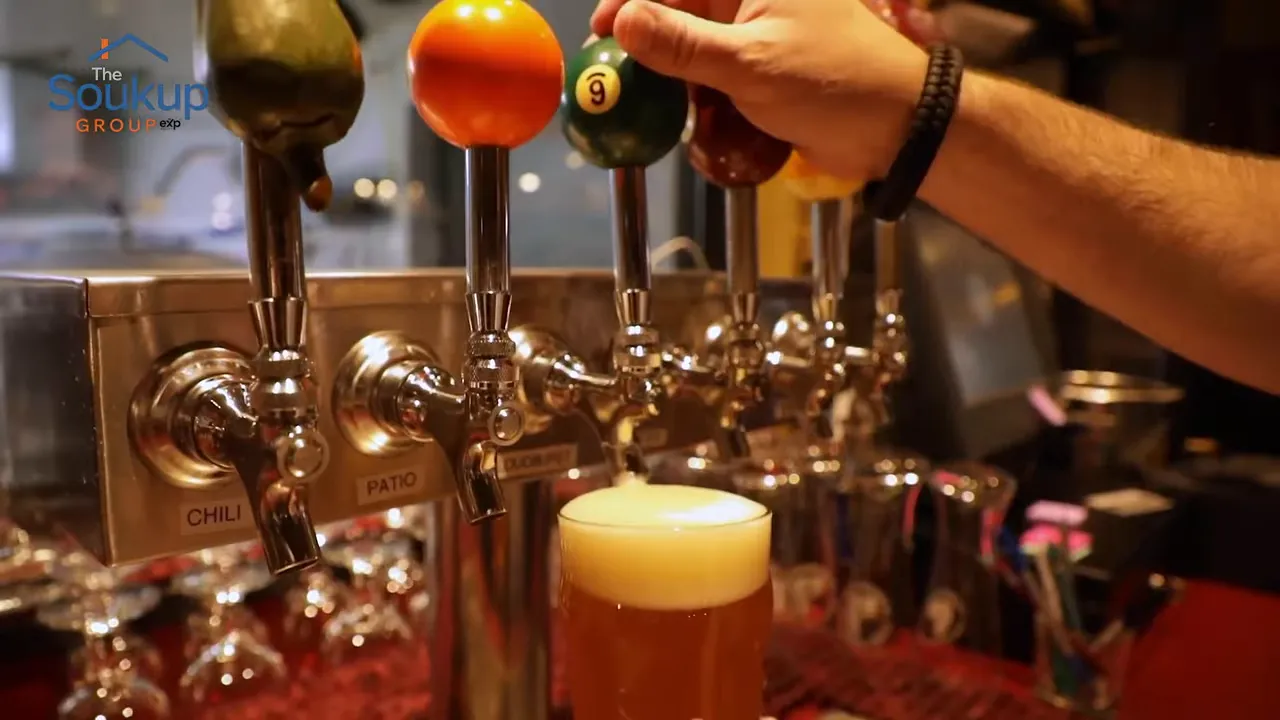
And the beer scene works hand in hand with the music scene. That is where Fort Collins really starts punching above its weight.
The Bohemian Foundation has had a huge impact here by putting real money behind music infrastructure and access. The Music District gives musicians affordable creative space. KRFC helps support local music. Venues like Washington’s, the Aggie, the Armory, the Magic Rat, and the Mishawaka give the city a range of places to catch anything from an intimate set to a packed show.
What I love about this category is that it does not feel forced. It feels woven into everyday life. You can sit on a patio with a great beer in the afternoon and then end up hearing live music that same night without planning some huge event around it.
That matters when we talk about moving to Fort Collins, CO. A city feels different when culture is not just occasional, but regular.
Golf, Pickleball & Outdoor Sports
Fort Collins is an active town, and that comes through in a hundred different ways.
On the golf side, there are three public courses in town: Collindale, Southridge, and City Park 9. These are self funded city courses, which is actually a pretty cool detail. The system supports itself rather than becoming a drain on the city budget. Beyond that, you have private and regional options like Fort Collins Country Club, Harmony Club, and Raindance National not far away.
Pickleball has absolutely exploded. For a while, there were not enough courts to match demand. That is changing fast. Twin Silo Park and Spring Canyon Park already offer outdoor play, and the city has funding lined up for additional dedicated courts, likely at Fossil Creek Park. Private investment has also jumped in, including a major indoor and outdoor facility on the southeast side of town.
And then there is everything else: softball leagues, kickball, basketball, bowling, cycling clubs, running clubs, triathlon groups, and organized recreation through the city and private groups.
The important thing here is not just that activities exist. It is that there is a real local culture around participating in them. If you are intentional, it is not hard to get involved.
Recreation Centers & Community Pools
Another underrated reason people end up loving life after moving to Fort Collins, CO is the spread of recreation facilities across town.
You have the Northside Aztlan Community Center, the Senior Center, the Foothills Activity Center, and eventually the Southeast Community Center joining the lineup. That means options in the north, central, and south parts of the city instead of everything being concentrated in one place.
The same goes for pools. Mulberry Pool and City Park Pool already serve different parts of town, and the Southeast Community Center will add both indoor and outdoor pools in the future. Mulberry Pool also has a major renovation approved, which is another sign that Fort Collins keeps reinvesting in what it already has.
This category might sound less exciting than mountains or Old Town, but for real daily life it matters a lot. Affordable public basketball. Youth sports. Workout facilities. Programs for kids, adults, and seniors. Those things add up quickly when deciding whether a place actually works long term.
Natural Areas & Open Space
Fort Collins and Larimer County have been serious about conservation for a long time. That is not just branding. There is a dedicated natural areas tax that helps protect and preserve open space.
Today, that has translated into more than 64,000 acres of conserved natural areas across the county. Places like Coyote Ridge, Bobcat Ridge, Fossil Creek Reservoir, Red Fox Meadows, and Soapstone Prairie give people room to hike, walk, explore, and enjoy the foothills without feeling like every inch of land is being paved over.
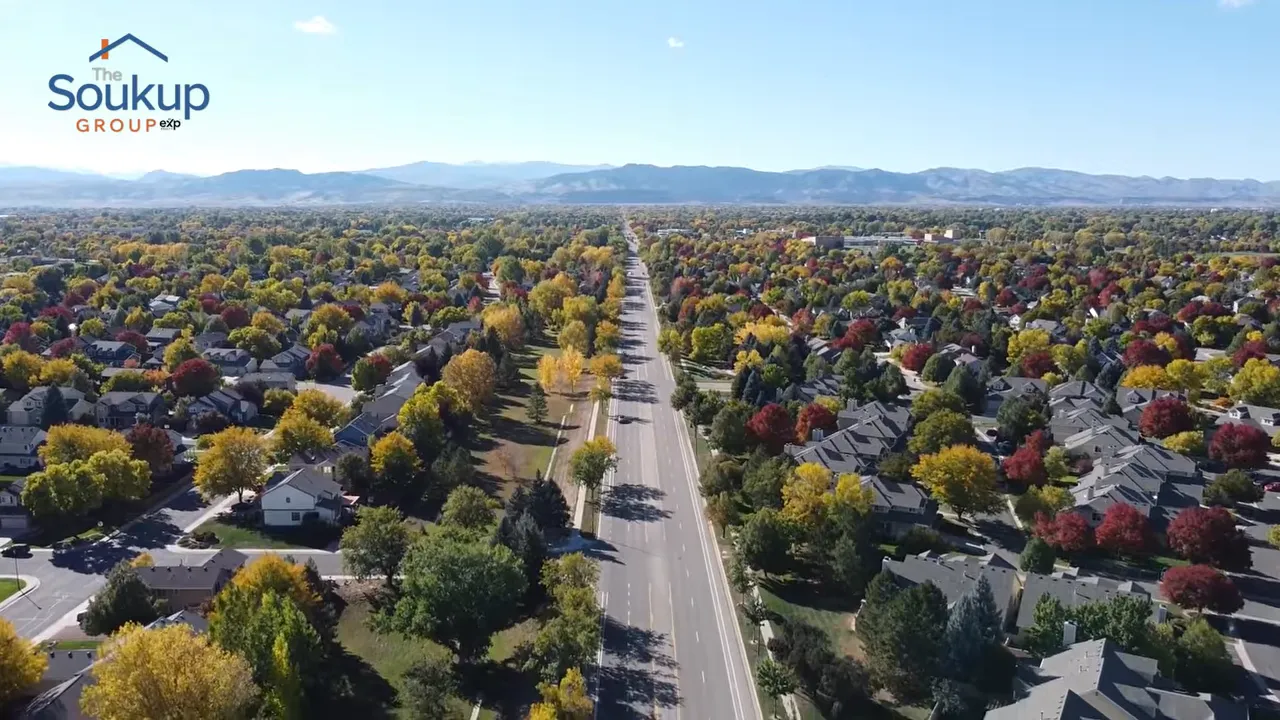
This is one of the biggest quality of life factors in town. Growth has happened here, no question. But there has also been a strong effort to protect what makes the region feel like Colorado in the first place.
That balance is not always easy. It can contribute to higher property values because developable land is more limited. But it also preserves the landscapes and access that make the area desirable. For many people moving to Fort Collins, CO, that tradeoff is exactly the point.
Parks & Playgrounds
If you have kids, grandkids, or honestly just enjoy having green space woven into neighborhoods, Fort Collins is strong here too.
The city is nearing 1,000 acres of community and neighborhood parks. That includes major destinations like Spring Canyon Park, Twin Silo Park, Fossil Creek Park, City Park, and Rolland Moore Park, plus a long list of smaller neighborhood parks spread throughout town.
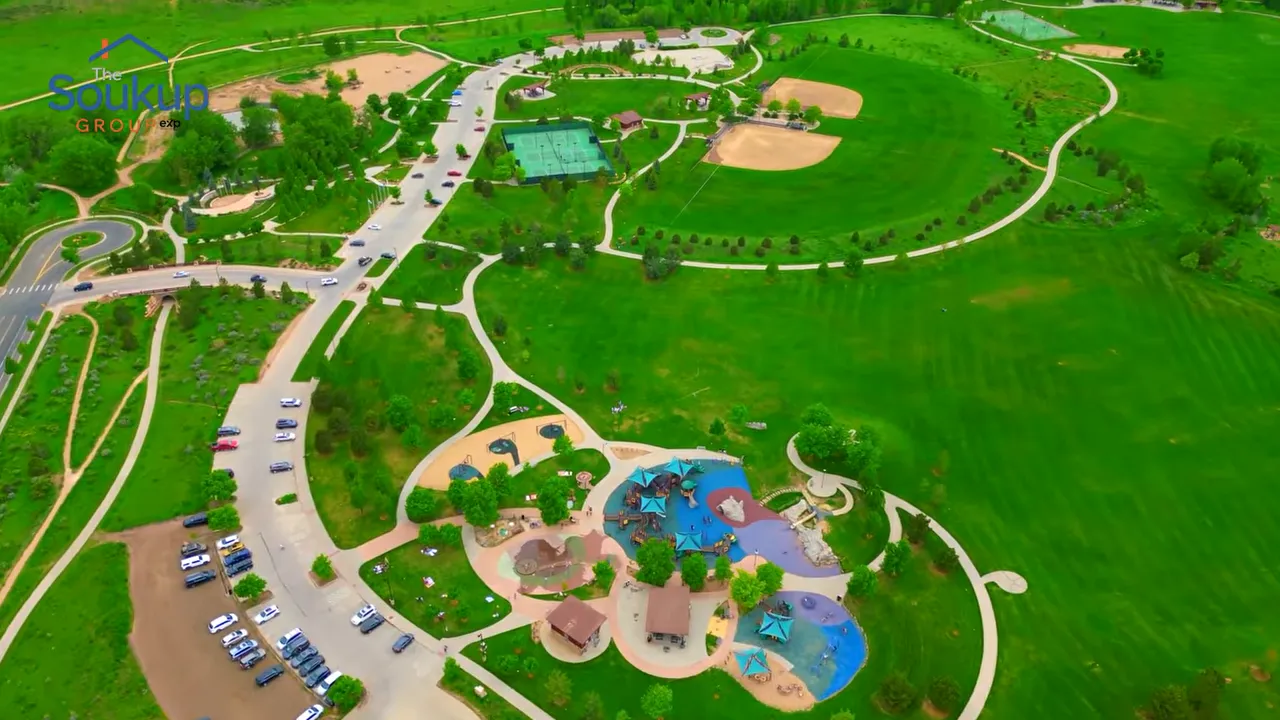
Some of these parks are older and have aging infrastructure, and the city knows it. That is part of why funding has recently been directed toward improvements and maintenance. Tennis courts, playgrounds, fields, and park amenities are all part of that reinvestment cycle.
What stands out is the variety. Some parks are built around sports fields. Some are built around playgrounds and family gathering space. Some connect directly into trails. Some serve neighborhood scale needs, while others feel like major recreational anchors.
That is a huge plus for families considering moving to Fort Collins, CO, because it means the amenity network is not limited to one side of town.
Poudre River & Whitewater Park
The Cache la Poudre River is one of the defining natural amenities in Fort Collins. It cuts through the city, shapes trail connections, supports wildlife and water infrastructure, and creates a whole different layer of recreation.
The Whitewater Park downtown adds even more to that. It gives kids places to splash and play, creates space for kayaking and tubing, and turns the river corridor into something active and accessible rather than hidden or ignored.
The river also anchors the broader Poudre Canyon experience. You can head up canyon for fly fishing, rafting, swimming holes, mountain scenery, and one of the most unique music settings around at the Mishawaka.
There is one practical note here. The Poudre is beautiful, but it is not something to mess around with during runoff. In late spring and early summer, the river can be dangerous. Respecting it is part of living near it.
Still, for much of summer, floating, tubing, and simply hanging out near the water becomes one of the best parts of local life.
Historic Old Town Fort Collins
Old Town is the heart of the city, and one of the clearest reasons why moving to Fort Collins, CO appeals to so many people.
What is wild is that Old Town almost did not survive in the form we know now. It could have been torn up by major road expansion decades ago. Instead, local business owners and city leaders pushed to preserve it, invest in it, and shape it into something special.
That decision paid off in a huge way.
Old Town Square today is a real gathering place. There is a splash pad, public events, seasonal lighting, concerts, yoga, summer street activity, local restaurants, patios, and independent shops that make the area feel lived in rather than manufactured.
It also stays remarkably accessible. Yes, living immediately around Old Town usually comes at a premium. But one thing Fort Collins has going for it is scale. Even if you live on the south side, northeast side, or southwest side, getting downtown is often just a 10 to 15 minute drive rather than some exhausting metro area commute.
So Old Town does not only serve the people who live right there. It serves the whole city.
Horsetooth Reservoir, Lory State Park & the Foothills
When people picture outdoor life in Fort Collins, this is often what they are thinking of.
Horsetooth Reservoir is a major recreational asset. Boating, paddleboarding, swimming, camping, fishing, and wake sports all happen there. Right next to it, Lory State Park and the foothills offer hiking, mountain biking, horseback access, and quick escapes into terrain that feels much bigger than a city amenity should.
Then there is Horsetooth Mountain, Horsetooth Falls, and the broader network of trails along the Front Range. Some routes are easy enough for younger kids. Others are more advanced. The point is that you can scale the experience up or down depending on what kind of day you want.
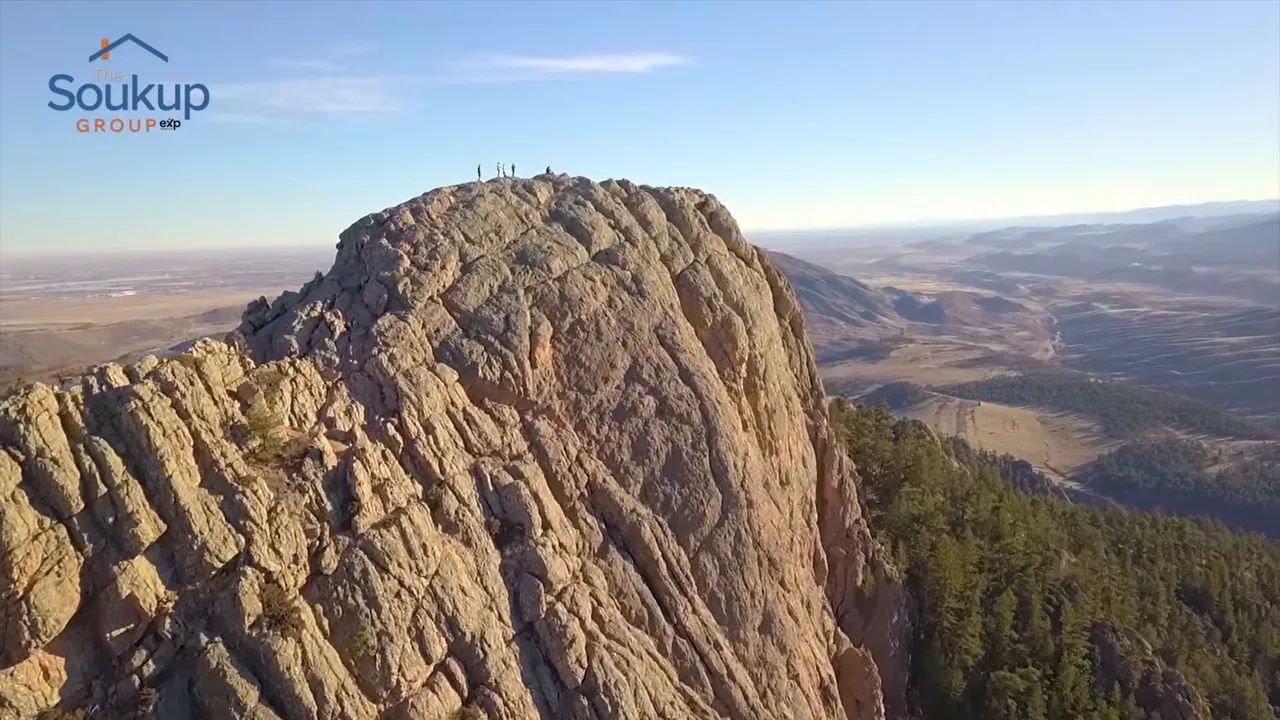
This is also where Fort Collins benefits from being part of Northern Colorado. Even when something is not technically inside city limits, it is often close enough to function like part of everyday life. Devil’s Backbone, Carter Lake, and even Rocky Mountain National Park all fit into that larger regional lifestyle equation.
Fort Collins' Connected Trail System
If we had to pick the number one amenity supporting moving to Fort Collins, CO, this would be it.
The paved trail network in Fort Collins is outstanding. Right now, the city already has about 46 miles of paved trails connecting across town, and future planning points toward roughly 100 to 115 total miles over time.
This is not just recreational fluff. It functions like real infrastructure. The goal has been to keep a large share of schools within easy access to the system so kids and families can use it safely. Trails like the Poudre Trail, Spring Creek Trail, Fossil Creek Trail, Mason Trail, and Power Trail create north south and east west mobility that is genuinely useful.
The recent full connection of the 45 mile Poudre River Trail from Bellvue to Greeley was the cherry on top. Eighteen of those miles are in Fort Collins, and now the whole route can be ridden on paved trail continuously.
This is the kind of thing that changes daily life. Riding to work. Biking to breakfast. Taking kids out without dealing with heavy traffic. Linking neighborhoods to parks, schools, and natural areas. Fort Collins does this better than most places its size.
And once you experience it, it is hard not to rank it number one.
Why all of this matters
The best way to think about Fort Collins is not as a place with one killer feature. It is a place with a stack of good decisions made over a long period of time.
Trails were funded. Natural areas were protected. Parks were built. Old Town was preserved. Music was supported. Recreation centers were spread throughout town. Reservoirs and river access became part of public life. New projects kept moving forward.
That is why moving to Fort Collins, CO feels like buying into a lifestyle system rather than just buying a house in a city.
No place is perfect. Cost matters. Housing supply matters. Growth creates tension. But Fort Collins gives a lot back in return, and that is what keeps people here.
Thinking about moving to Fort Collins, CO? Whether you're relocating next month or just starting your research, I'd be happy to help you find the right neighborhood, answer your questions, and make your move as smooth as possible. Call/Text me at 970-893-3533
or book a FREE consultation
to get personalized guidance and expert local advice.
Find or Build Your New Construction Home in Fort Collins
FAQs About Moving to Fort Collins
Is moving to Fort Collins, CO worth it if it is not a cheap place to live?
For many people, yes. The value comes from the lifestyle package: connected trails, protected natural areas, strong parks, recreation facilities, Old Town, nearby foothills, and a deep craft beer and music scene.
What is the best amenity in Fort Collins?
The connected paved trail system stands out as the strongest overall amenity because it works for both recreation and daily transportation. It links neighborhoods, schools, parks, and major parts of the city.
Does Fort Collins have good outdoor access?
Absolutely. Between the Poudre River, Whitewater Park, Horsetooth Reservoir, Lory State Park, foothill trails, and tens of thousands of acres of protected natural areas, outdoor access is one of the city’s biggest strengths.
Is Fort Collins good for families?
It is very strong for families. The city has nearly 1,000 acres of parks, multiple recreation centers, public pools, youth sports options, and neighborhoods with excellent trail and park access.
What makes Old Town Fort Collins special?
Old Town blends historic character with real everyday use. It has local restaurants, events, gathering spaces, seasonal programming, and a walkable layout that gives the city a strong central identity.
Read More: MOVING TO NORTHERN COLORADO: BEST PLACES TO LIVE, COSTS & WHAT TO EXPECT