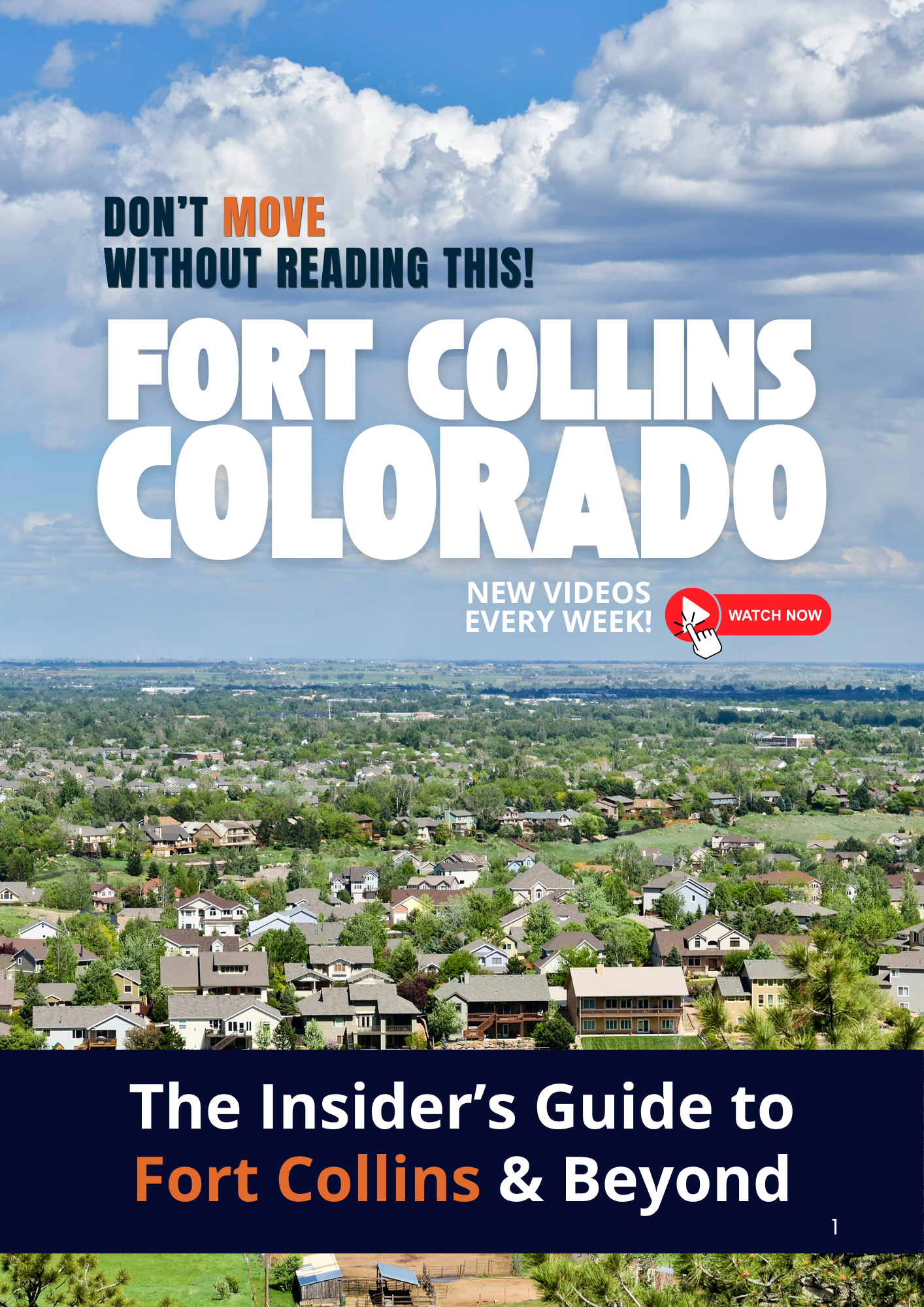
Everybody knows the highlight reel of moving to Colorado: mountain views, hiking, breweries, dogs, sunshine, and four actual seasons. And yes, all of that is real. But after helping people relocate to Northern Colorado every week, we have noticed the same surprises coming up over and over again.
Some are lifestyle adjustments, like how quickly the sun can fry your skin. Others can affect the house we choose, from insurance and cooling systems to yard orientation, metro district taxes, and radon. If we are moving to Colorado, these are the details worth knowing before they become a surprise on closing day.
Key Takeaways
- Colorado sunshine, dry air, and altitude require everyday adjustments, especially hydration and sun protection.
- Insurance, cooling systems, home orientation, metro taxes, and radon testing can materially affect a home purchase.
- Winter is generally sunny and manageable, while weather conditions can change quickly in every season.
- Older neighborhoods may offer mature trees, while new-build areas often come with young landscaping and metro districts.
Table of Contents
- Moving to Colorado: Sun, Dry Air, and High Altitude
- Colorado Weather: What to Expect Year-Round
- Colorado Winters: Are They Really That Harsh?
- Colorado Homes: Features That Matter Most
- Cost of Living in Colorado Beyond the Mortgage
- Daily Life in Colorado: Wildlife, Trees, and Traffic
- Moving to Colorado? Why You Should Not Skip Radon Testing
Moving to Colorado: Sun, Dry Air, and High Altitude
The sun is intense year round
We are closer to the sun at this elevation, and wow, can we feel it. Colorado gets more than 300 days of sunshine a year, but that does not mean every day feels mild. Summer can absolutely hit the 90s and even 100 degrees, especially in July and August, and the UV exposure is no joke.
We can get sunburned in February. We can get sunburned on our legs when we never needed sunscreen there before. Sunglasses, lip balm, lotion, and sunscreen become less of an occasional vacation item and more of a daily Colorado toolkit.
The dry heat is still easier to handle than humid heat for many people arriving from Texas or Florida. But cloud cover makes a serious difference. A sunny walk can feel blazing, then a cloud rolls through and it is instant relief.
Altitude deserves some respect
One of the biggest adjustments when moving to Colorado is the altitude. Hydration matters. Keep water with us, especially during the first few days. A run that would feel easy at home may suddenly feel much harder, and headaches are common while we adjust.
Also, be humble with alcohol after landing. A normal number of drinks at a lower elevation can hit very differently here. And maybe do not schedule the big mountain hike on day one. Give ourselves a couple of days, drink water, and let our bodies catch up.
It is dry, dry
Colorado dryness is wonderful for some things, especially curly hair. Less frizz, thank you very much. But dry skin, chapped lips, static electricity, bloody noses, and thirsty houseplants are all very real.
Humidifiers are common, including whole-home units attached to furnaces. They can be especially helpful for comfort and for homes with wood flooring. We may also want room humidifiers in bedrooms or offices. When moving to Colorado, stock up on lotion sooner than later.
Colorado Weather: What to Expect Year-Round
Hail is a major homeownership consideration
Hail is common in Northern Colorado, especially in summer, and it can be extremely localized. One neighborhood may get hit while friends five minutes away receive nothing. Sometimes it is minor. Other times, hail can be golf-ball sized or larger, which means it can damage roofs, vehicles, and outdoor property.
We have seen hail damage require a roof replacement on a roof that was only a couple of years old. That is why insurance is such a serious part of moving to Colorado and buying here. We want to understand the hail deductible, get multiple property insurance quotes, and make sure the home is insurable before we are committed.
This becomes even more important for mountain, foothill, rural, and river-adjacent properties, where hail, wildfire, flood, or fire coverage can affect availability and cost. During the contract insurance deadline, we need to do our homework. If we cannot find acceptable coverage, that deadline can protect our earnest money.
Wildfire smoke and air quality can shift
Wildfires are part of life in Colorado, and summer smoke can travel from very far away, including Canada and neighboring states. Northern Colorado has been fortunate not to have constant major fires immediately nearby, but air quality can still become hazier during fire season.
It helps to add Fort Collins, Loveland, Windsor, Timnath, or whichever town we are considering to our weather app before relocating. Compare its air quality with where we live now. For local fire updates, the Watch Duty app is a useful tool to have on our phone.
If we are buying in the foothills, near open space, or on rural land, insurance should be one of the first conversations, not an afterthought.
Colorado weather makes no sense, and honestly, we love it
It can be 90 degrees, thunder all afternoon, rain for a bit, and then turn beautiful again. It can snow one day and be sunny and much warmer the next. Nothing stays the same for long, which is honestly part of the charm.
Rain is exciting here because it does not happen constantly, plants need it, and the whole place smells amazing afterward. Sunshine is the one dependable thing. If sunshine is not our thing, moving to Colorado may not be the move.
Colorado Winters: Are They Really That Harsh?
People often imagine Minnesota-level winter before moving to Colorado, but Northern Colorado winters are generally not like that. The more wintry stretch is usually January through March, with March often being the snowiest month. We can still see snow into May, which is why locals wait until after Mother’s Day to confidently plant flowers.
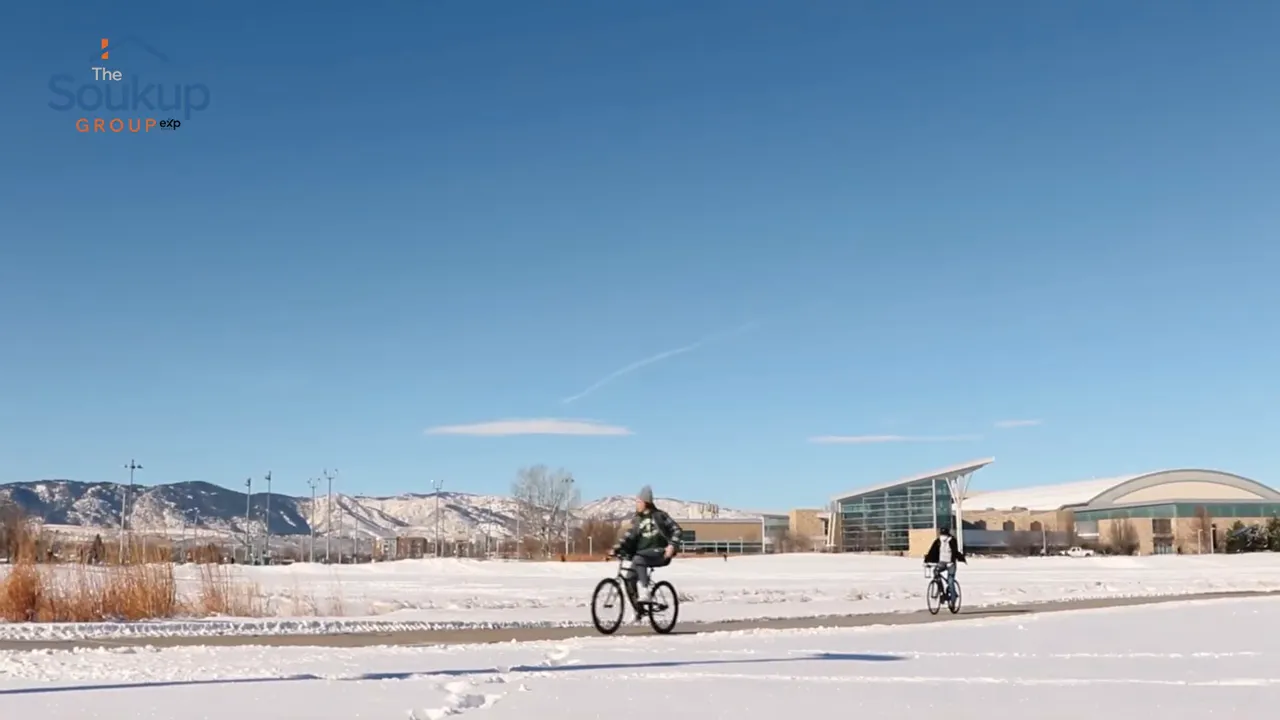
The important part is this: snow tends to melt quickly because the sun comes back out. A snowy day can be followed by 50-degree weather. Roads and daily life keep moving, especially in flatter places like Fort Collins where plows prepare early.
Four-wheel drive is helpful, particularly for mountain trips. Skiing and mountain driving may call for snow tires or chains. But for regular city life, winter is not usually the shutdown event that newcomers expect.
Winter can actually be a strategic time to buy. Inventory may be lower, but competition is often lower too. A seller whose house is listed during the holiday season may be particularly motivated. If we are flexible, moving to Colorado in winter can bring more negotiating power.
Colorado Homes: Features That Matter Most
Air conditioning is not guaranteed
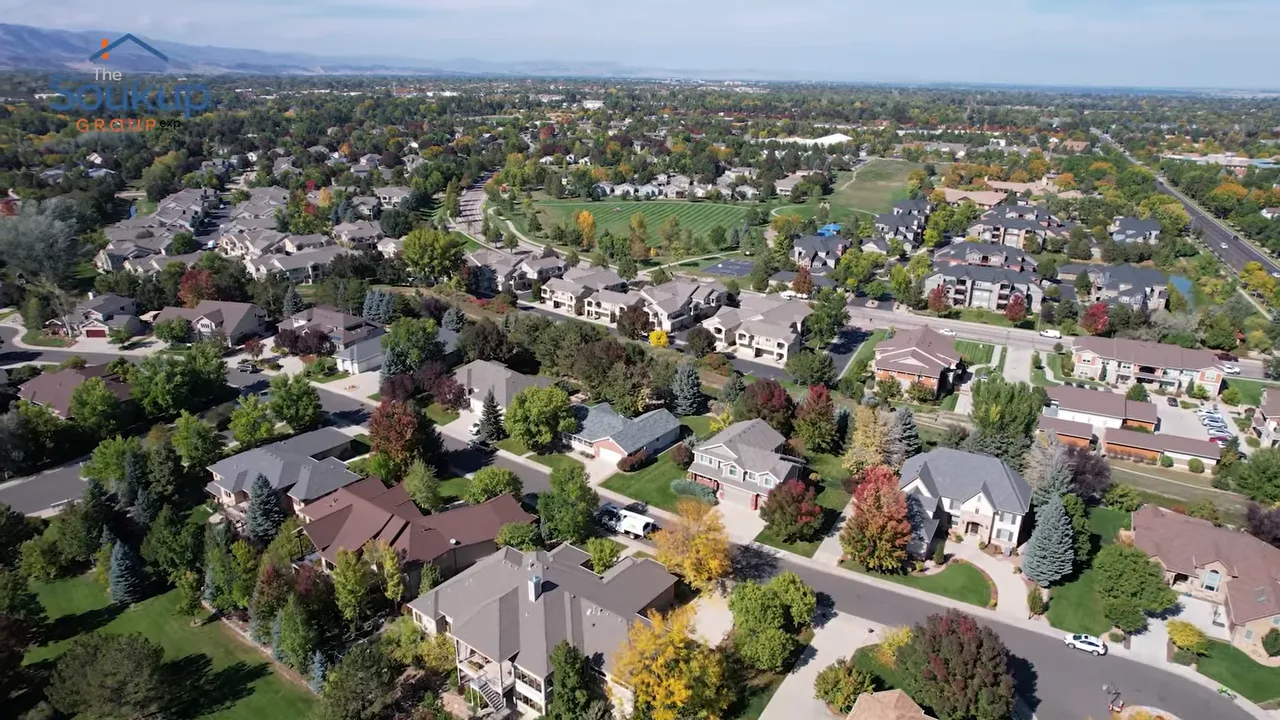
This one gets people all the time, especially anyone coming from Florida, Texas, or another hot climate where AC is presumed. In Colorado, especially in older homes, central air conditioning is not automatic.
We may see evaporative coolers, window units, or no cooling system at all. Newer homes usually have AC, although some budget-oriented new construction may not include it. The season can hide the issue too. A home toured in spring may feel perfect, then July arrives and the upstairs is wildly hot.
Before buying, we need to confirm:
- Whether the home has central AC, an evaporative cooler, window units, or no installed cooling.
- Whether existing ductwork and a furnace make a condenser installation straightforward.
- Whether the home uses baseboard heat and may need mini-splits instead.
- Whether cooling is something we need to negotiate into the purchase plan.
Not having AC is not automatically a deal breaker. It is just something we need to understand clearly while moving to Colorado.
Driveway and backyard orientation are a big deal
People talk about north-facing and south-facing driveways, and for good reason. A north-facing driveway gets less sun, so snow and ice can linger much longer. A south-facing driveway receives more sun and typically melts and dries much faster.
But east and west matter too, especially for the way we want to use the yard. In Northern Colorado, the mountains are west. A west-facing backyard can get incredibly hot during summer afternoons and evenings. An east-facing backyard gets morning sun but often offers a much more comfortable, shaded evening patio.
Before we buy, ask ourselves when we want to use our outdoor space. Are we front-porch people? Are we grilling in the evening? Do we garden? Do we want kids playing outside in the morning or afternoon? Orientation affects snow management, patio comfort, natural light, and what will grow in the yard.
Basements are everywhere
If we are coming from Florida, Texas, Louisiana, California, or parts of the Pacific Northwest, basements can feel strange. Here, they are incredibly normal. And they are not necessarily dark storage caves.
Finished basements can add bedrooms, bathrooms, media rooms, and living space. Unfinished basements still tend to be useful, with heat, lighting, electricity, and often egress windows in newer homes. We can use them for storage, gyms, dog kennels, workshops, or future expansion.
One important detail: a basement bedroom needs an egress window to be legal. Tiny high windows in older homes do not make a conforming bedroom because there is no safe exit in an emergency.
Basements can be a major advantage when moving to Colorado. If we need more room later, finishing the basement may be easier than trying to build an addition, especially in an HOA neighborhood.
Ranch homes are less common than many expect
Single-story ranch homes exist, but they are often in higher demand and less available than two-story, bi-level, tri-level, and four-level homes. A ranch with a walkout basement is especially desirable and typically comes with a premium.
We all have different priorities. A two-story can provide useful separation between living areas and bedrooms. A ranch can make daily life easier and allow us to age in place. Another option is a two-story with a primary bedroom on the main level. The key is knowing our non-negotiables early, because floor plan preferences can shape both inventory and price.
|
Cost of Living in Colorado Beyond the Mortgage
Lawns need water
The sunshine and dry climate are lovely, but lawns need more water than many newcomers expect. Irrigation systems are very common, and without enough watering, grass can turn brown quickly.
Sprinklers often need to start around mid-May or June, depending on the year and rainfall. Summer water bills can be noticeable, especially in neighborhoods with larger lots or higher local utility costs. When moving to Colorado, it is worth asking about typical utility bills instead of assuming every community has the same costs.
Metro districts can change the monthly payment
Metro districts are common in newer developments. In simple terms, when builders fund infrastructure such as roads and utilities rather than the city doing it upfront, that cost may be repaid through elevated property taxes over a long-term bond.
Metro taxes are not automatically bad. They can support amenities such as pools, gyms, private lakes, trails, pocket parks, and more. But we need to understand what we are paying for and whether the district tax is capped.
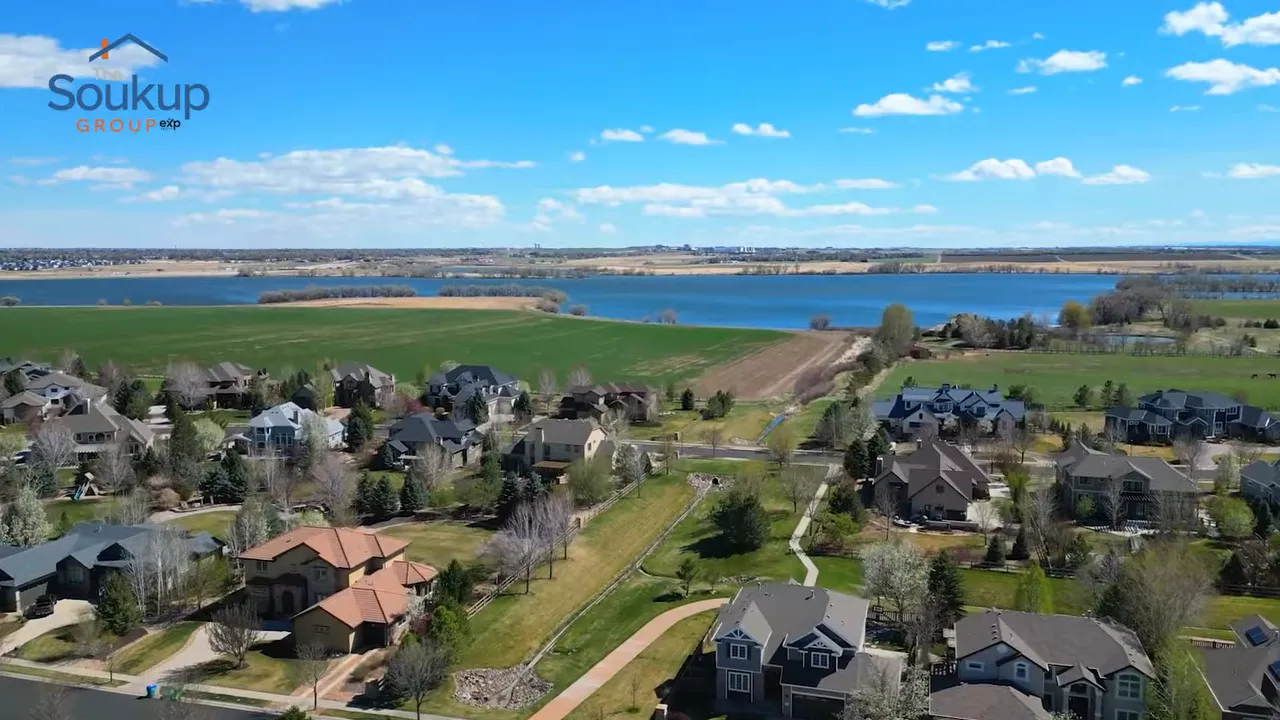
When comparing two similarly priced homes, a significantly different estimated payment can come down to property taxes. Before moving to Colorado and choosing new construction, ask these questions:
- Is there a metro district?
- What is the current tax rate?
- Is the metro district tax capped?
- What amenities or infrastructure does the tax support?
- What will the total estimated monthly payment look like, including taxes?
Daily Life: Wildlife, Trees, and Traffic
Wildlife is surprisingly common, especially around Loveland and communities closer to the foothills. Deer, foxes, coyotes, elk, bears, mountain lions, and even wild turkeys can be part of the local scenery. We may not see every animal every day, but this is not unusual here.
Trees are another surprise. Northern Colorado is not naturally tree-filled everywhere. Many mature trees we see were planted, and new-build communities may have young landscaping because they were built on former prairie land. If mature trees and shade are a must, older neighborhoods are usually the better starting point.
Traffic is generally manageable compared with larger metro areas, until there is an accident on I-25 or everyone heads to the mountains on a weekend. Ski-season traffic and summer mountain traffic are very real. If we can take mountain trips during the week, do it. It is a much better experience.
Also, local drives can feel longer after we settle in. A 20 or 30-minute drive may seem easy when we are used to major commutes, but after living near everything we need, that back-and-forth gets old. Consider school, work, errands, and regular activities when choosing between Fort Collins, Loveland, Wellington, Windsor, Timnath, and surrounding towns.
Moving to Colorado? Why You Should Not Skip Radon Testing
Radon is an odorless gas that comes from the ground and can create long-term health concerns at elevated levels. It is common enough here that we should take it seriously without panicking.
During inspection, get a radon test, even if the house already has a mitigation system. A system can be passive, meaning a pipe vents through the roof, or active, meaning a fan pulls radon from beneath the home and vents it outside. An active system has a small manometer that indicates whether the fan is operating.
Anything above a radon level of 4 is considered high, and mitigation is often recommended above 2. A test is relatively inexpensive compared with the cost of discovering a broken system or installing one after closing. If we are tight on inspection costs, sewer scope is the priority, but ideally we do all three: home inspection, radon test, and sewer scope.
Moving to Colorado is exciting, and none of these details should scare us away. They are simply the local realities that help us choose smarter. Once we understand the weather, the homes, the taxes, the outdoor lifestyle, and the inspection priorities, we can focus on finding the community that genuinely fits us.
Thinking about moving to Colorado ? From choosing the right Northern Colorado community to understanding home features, property taxes, insurance, and the little details that can impact your move, having local guidance can make the process much easier.
If you're planning a move, buying a home, or simply trying to figure out which area is the best fit for your lifestyle, we're here to help you navigate it all.
Call or text (970) 893-3533 or book your FREE consultation to start planning your Colorado move.
Frequently Asked Questions About Moving to Colorado
Is winter a bad time for moving to Colorado?
No. Northern Colorado winters are usually milder and sunnier than many people expect. Inventory can be lower, but buyer competition may be lower too, creating more room for negotiation.
Do all homes in Colorado have air conditioning?
No. Older homes may have evaporative coolers, window units, or no installed cooling system. Confirm the cooling setup before making an offer, particularly when buying outside the hottest months.
Why are property taxes higher in some new Colorado neighborhoods?
Many new developments have metro districts that help repay infrastructure costs through property taxes. Ask whether the tax is capped, what amenities it supports, and how it affects the estimated monthly payment.
Should we get a radon test when buying a home in Colorado?
Yes. Radon is common in the area and cannot be detected by smell. A radon test during inspection helps confirm whether levels are elevated and whether an existing mitigation system is working.
Read More: FORT COLLINS REAL ESTATE MARKET UPDATE: PRICES RISE AS INVENTORY HITS A 10 YEAR HIGH