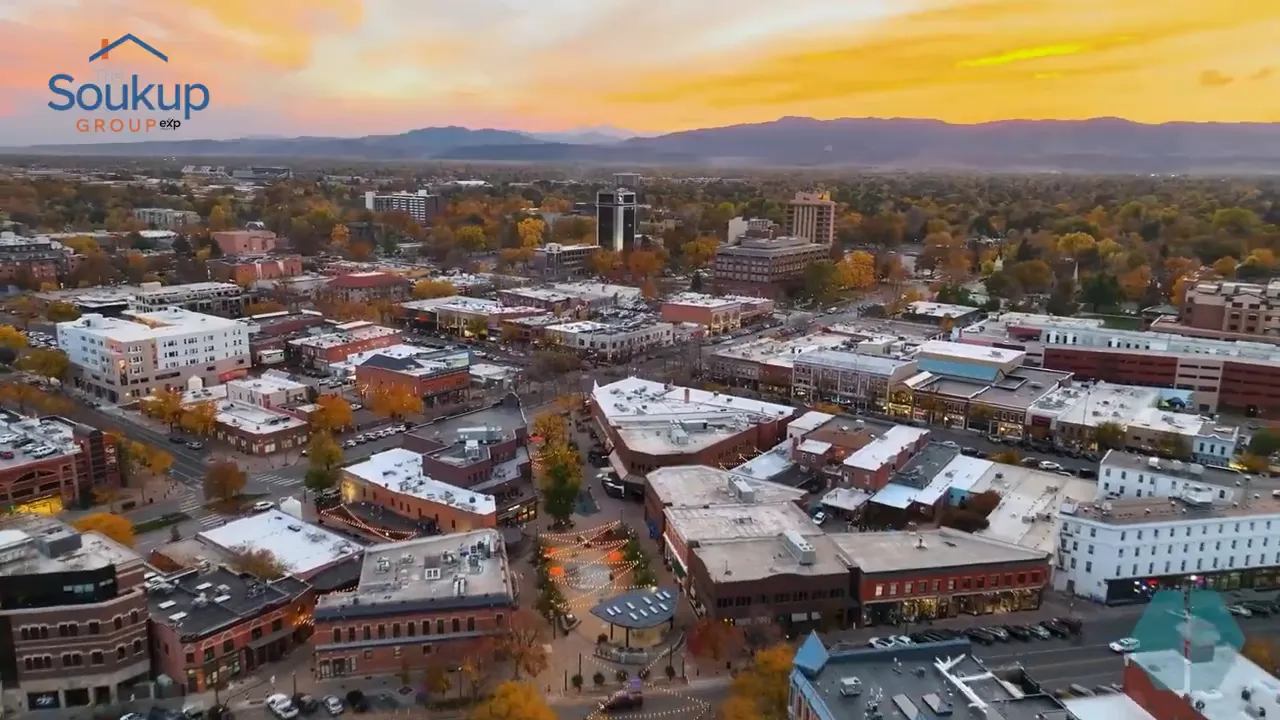
When people talk about Fort Collins new developments, most of the attention usually goes to the obvious places. Old Town. Midtown. The west side. The flashy projects everyone can already see.
But if we are paying attention to where the next wave of change is really taking shape, East Mulberry deserves a hard look.
For years, Mulberry has been more of a pass-through than a place. It has been the corridor many of us use to get from I-25 into Fort Collins, not an area we point to as a polished front door to the city. That disconnect has always been strange, because for many people arriving from Denver International Airport, Mulberry is the first real impression of Fort Collins.
And for a long time, that first impression has not matched what Fort Collins actually is.
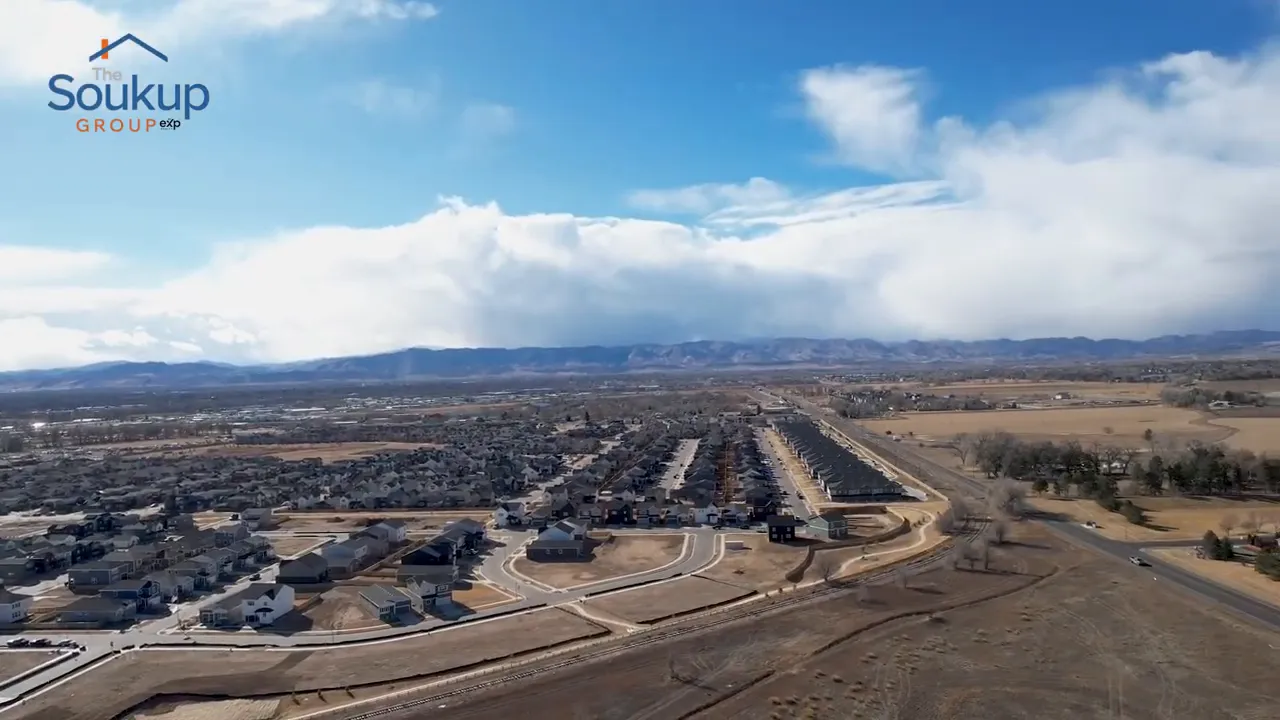
That is why some of the most interesting Fort Collins new developments are now clustered along the Mulberry corridor. Between new annexations, the Bloom master-planned community, proposed commercial uses, the possibility of a grocery store, and long term infrastructure improvements, the northeast side is starting to look a lot different than it did even a few years ago.
This is not a story about overnight change. It is a story about dominoes starting to fall.
Table of Contents
- Why East Mulberry Matters in Fort Collins
- The 70-Acre East Mulberry Annexation
- Bloom and East Mulberry Growth
- Why Commercial Follows Rooftops
- The East Mulberry Grocery Question
- Fort Collins Annexation Strategy
- What East Mulberry Means for Buyers
- What East Mulberry Means for Sellers
- East Mulberry Long-Term Outlook
- FAQs About Fort Collins New Developments
Why East Mulberry Matters in Fort Collins
East Mulberry has always had a location advantage, even if it has not always felt that way. It sits in a spot that is surprisingly close to downtown Fort Collins, Colorado State University, and I-25. That is a powerful combination.
The issue has never really been geography. The issue has been perception, underinvestment, and the fact that the corridor has functioned more like a highway edge than a true gateway.
That is starting to change for a few reasons:
- Large residential projects are already underway nearby.
- More land is being annexed into the city as development becomes viable.
- Commercial uses are beginning to make more sense as rooftops increase.
- The northeast side has room to grow in ways much of the city does not.
In other words, one of the more important Fort Collins new developments stories is not just a single project. It is the gradual remake of an entire corridor.
EXPLORE HOMES FOR SALE IN NORTHERN COLORADO
The 70-Acre East Mulberry Annexation
One of the biggest recent steps was the approval of the Peakview No. 2 Annexation, which brings about 70 additional acres into the city.
That may not sound dramatic on its own, but in the context of Fort Collins new developments, it matters a lot. This is the kind of move that signals the city is willing to bring parts of Mulberry into the fold when the timing and the project make sense.
The land use mix attached to this annexation is especially important because it is not just one thing. It is a blend of uses that can start building a real district instead of another isolated project.
- About 29 acres of medium-density residential, likely including townhomes, condos, and similar housing.
- About 27 acres of general commercial, which opens the door for restaurants, shops, and daily convenience uses.
- About 13 acres of light industrial flex space, which can support warehouse or business service needs without dominating the area.
That mix is exactly what makes a corridor mature. Housing alone is not enough. Retail alone is not enough. Jobs, services, and homes have to start showing up together.
Bloom and East Mulberry Growth
The 70-acre annexation does not stand alone. It sits next to the much larger Bloom development, and that is where the broader story gets interesting.
Bloom is a large master-planned community by Hartford Homes with a projected buildout of roughly 1,600 to 2,000 homes. The housing mix is broad, which matters in a city where affordability and product diversity are constant topics. The plan includes:
- Larger single-family homes
- Accessory dwelling unit opportunities
- Condos
- Townhomes
- Smaller cottage-style homes in roughly the 1,100 to 1,500 square foot range
That kind of range is useful because it creates more than a subdivision. It creates the possibility of a neighborhood with different price points and life stages represented in the same place.
Bloom also includes a commercial component along Mulberry, and that piece may end up being one of the most important parts of the whole corridor. The vision includes restaurants and a more community oriented gathering environment, with a vibe that sounds more active and social than what Mulberry has historically offered.
Buildout here is not happening in six months. This is a longer run process. Bloom itself is on an eight to ten year timeline, and it already started a few years back. So we are still in the middle innings, not the end.
But that is exactly why this topic matters now. The best time to understand Fort Collins new developments is often before they are fully obvious in the finished product.
Why Commercial Follows Rooftops
One of the simplest rules in real estate development is that commercial follows rooftops.
That just means retailers, restaurants, and service businesses usually wait until enough households are already nearby. They want proof of demand before they invest.
That helps explain why Mulberry has felt stalled for so long. The corridor needed enough surrounding density for commercial players to believe the timing was right.
Now that equation is changing.
When we combine Bloom with the newer annexed acreage and the broader northeast growth pattern, we are talking about hundreds of acres of development activity that simply did not exist a few years ago. As those residential units stack up, more businesses start to make sense.
That is when neglected frontage starts becoming redevelopment opportunity. Older properties that once looked stuck can suddenly become strategic. Investors notice. Landowners notice. National and regional tenants notice.
And that is how a corridor begins to shift from looking tired to looking inevitable.
The East Mulberry Grocery Question
If there is one missing piece that could accelerate East Mulberry faster than almost anything else, it is a grocery store.
That is not a small detail. Grocery is one of the anchors that changes how people experience a part of town. It supports daily life. It creates routine trips. It gives nearby housing a major convenience boost. It also tends to support surrounding retail because once a grocery arrives, other businesses want to be near that traffic.
Right now, the immediate area does not have a truly convenient full grocery option. There are stores that can serve the broader north and central parts of town, but not a tight neighborhood anchor right in the heart of this growing northeast cluster.
That is why the talk of a future grocery presence matters so much in the broader conversation about Fort Collins new developments.
And the demand base is not theoretical. When we add up nearby communities and planned neighborhoods such as Mosaic, Dry Creek, TimberVine, Waterglen, Montava, Sonders, and others, the number of existing and future units in the area becomes substantial.
That is exactly the kind of math grocers and commercial developers pay attention to.
Fort Collins Annexation Strategy
One of the more surprising parts of this whole story is that much of the Mulberry corridor is still in Larimer County rather than already inside the city.
The city could have tried to annex the entire corridor all at once, but that would have come with serious service implications. The discussion around that was eye opening. Bringing all of Mulberry into the city in one move could have increased Fort Collins Police calls dramatically overnight.
So instead of taking one huge bite, the city appears to be using a phased approach.
That means annexation happens as projects come forward and as the city decides the timing, costs, and service needs make sense. Developers who want city utilities, police protection, streetscape improvements, curbs, gutters, and other municipal benefits can pursue annexation as part of development.
It is a practical strategy. It limits the city from absorbing major expenses before tax base and project readiness are there, and it keeps growth tied more directly to actual development activity.
For anyone tracking Fort Collins new developments, that point matters. East Mulberry is not being reworked all at once. It is being stitched into Fort Collins piece by piece.
What East Mulberry Means for Buyers
For buyers, especially long term buyers, the northeast side deserves serious consideration.
The key is to understand the time horizon. If someone wants every amenity polished and fully built today, East Mulberry and the surrounding northeast neighborhoods may still feel early. But if we are thinking in five, ten, or even twenty year terms, this area becomes much more compelling.
Why? Because buyers are often rewarded most where the fundamentals are good before the full amenity package arrives.
The fundamentals here include:
- Access to downtown Fort Collins
- Access to CSU
- Access to I-25
- Future commercial growth
- More walkability and bike connectivity over time
- Additional trail investment on the northeast side
There is also a broader city infrastructure story here. Planned trail additions over the coming decades are expected to help areas of northeast Fort Collins that have historically felt less connected than other parts of town.
That matters because connectivity changes daily life. A neighborhood becomes more desirable when it is easier to bike, walk, and move through it without always feeling like we are on the edge of town.
Places like Dry Creek, TimberVine, Waterglen, Mosaic, and even the larger acreage pockets around Summit View all stand to benefit if the Mulberry corridor fills in the way many expect.
Why patience could pay off
The northeast side may not have the same immediate demand profile as the most established central neighborhoods. But that can be exactly where opportunity comes from.
When an area moves from overlooked to connected, from pass-through to destination, that is when appreciation can surprise people.
No one can promise values or timelines, but the logic is pretty straightforward. If a corridor gains more housing, more retail, better trails, stronger city services, and a cleaner gateway identity, that usually improves how the market sees it.
What East Mulberry Means for Sellers
For sellers, the biggest lesson is this: context matters.
If a home is listed in northeast Fort Collins and the marketing only talks about the house itself, a huge part of the value story can get missed. In areas where future amenities are still arriving, sellers need to help buyers understand not just what the neighborhood is today, but what it is becoming.
That does not mean overhyping anything. It means presenting the real development pipeline clearly.
If a buyer is considering a home in Mosaic or another northeast neighborhood, it matters if they know that:
- major corridor investment is underway,
- commercial uses are planned nearby,
- park and trail improvements are coming,
- city services will expand through annexation, and
- the area is likely to feel very different over the next decade.
That kind of framing can be the difference between a buyer seeing an isolated neighborhood and seeing a strategic location inside one of the more important Fort Collins new developments zones.
East Mulberry Long-Term Outlook
The most honest way to look at East Mulberry is this: it is still early, but it is no longer hypothetical.
For decades, parts of the northeast side felt like they sat outside the main story of Fort Collins. Not disconnected completely, but not fully in the fold either. That is changing.
The combination of annexation, residential growth, future commercial activity, and public improvements creates a very different trajectory than what this corridor had even three or four years ago.
That does not mean every project moves fast. It does not mean every parcel redevelops tomorrow. It does mean the direction is becoming clearer.
Over the next ten to twenty years, Mulberry likely looks nothing like the version many of us have known for most of our lives.
And that is why East Mulberry belongs in any serious conversation about Fort Collins new developments. The corridor is shifting from a rough first impression into something more complete, more useful, and far more valuable to the city as a whole.
FIND OR BUILD YOUR NEW CONSTRUCTION HOME IN NORTHERN COLORADO
FAQs About Fort Collins New Developments
Why are so many people focused on East Mulberry right now?
Because East Mulberry is starting to show real momentum through annexation, nearby master planned housing, future commercial space, and infrastructure improvements. Among current Fort Collins new developments, it stands out as a corridor that could change a lot over the next decade.
What is the Peakview No. 2 Annexation?
It is a recently approved annexation of about 70 acres into the city of Fort Collins. The land is planned for a mix of medium-density residential, general commercial, and light industrial flex uses.
What is the Bloom development?
Bloom is a large master-planned community on East Mulberry expected to include roughly 1,600 to 2,000 homes over time, with a mix of housing types and a commercial component along the corridor.
Why is a grocery store such a big deal for this area?
A grocery store acts like a daily life anchor. It makes nearby neighborhoods more convenient, helps attract surrounding retail, and often signals that an area has reached enough population density to support larger commercial investment.
Is East Mulberry a good place to buy a home?
It may be worth strong consideration for buyers with a long term mindset. The appeal is less about immediate polish and more about future upside tied to the broader wave of Fort Collins new developments on the northeast side.
How is the city handling annexation along Mulberry?
The city appears to be taking a phased approach, annexing land as development proposals come forward and as service costs and planning needs make sense. That allows growth to happen more gradually rather than all at once.
Which neighborhoods could benefit from Mulberry corridor growth?
Areas such as Mosaic, Dry Creek, TimberVine, Waterglen, Summit View area properties, Sonders, and Montava could all benefit as the corridor gains more amenities, stronger connections, and broader market attention.
If you’re considering buying in East Mulberry or the northeast Fort Collins area, I’d love to help you understand what’s coming next and how it could impact your decision. Call/Text me at 970-893-3533 or book a FREE consultation and we’ll talk through your goals day, night, or weekends.