When people picture Colorado, they often picture Denver traffic, packed I-70 weekends, resort-town prices, and tourist-heavy mountain corridors. But living in Colorado (Northern Colorado) is a completely different experience for the right person. It is more laid-back, more community focused, and much more built around getting outside without having to plan an entire weekend around it.
Fort Collins, Loveland, Windsor, Timnath, Severance, Johnstown, Greeley, Berthoud, and the surrounding communities are growing quickly, but the region still feels manageable compared with most major metros. We get a strong economy, good schools, healthcare access, breweries, parks, trails, and mountain access, while still being able to decompress after work.
That does not mean Northern Colorado is perfect for everybody. There are real tradeoffs involving weather, growth, nightlife, social connection, home prices, and metro districts. Here is the honest version of what living in Colorado (Northern Colorado) looks like in 2026.
Why Living in Northern Colorado Feels Different Than Denver
The first thing to understand about living in Colorado (Northern Colorado) is that it does not feel like Denver. That is exactly why many people move here.
A lot of newcomers arrive from larger metros in Texas, Florida, Arizona, California, New York, Boston, Chicago, and the Midwest. They are usually looking for less traffic, less stress, cleaner neighborhoods, more space, a safer feeling day to day, and easier access to outdoor recreation.
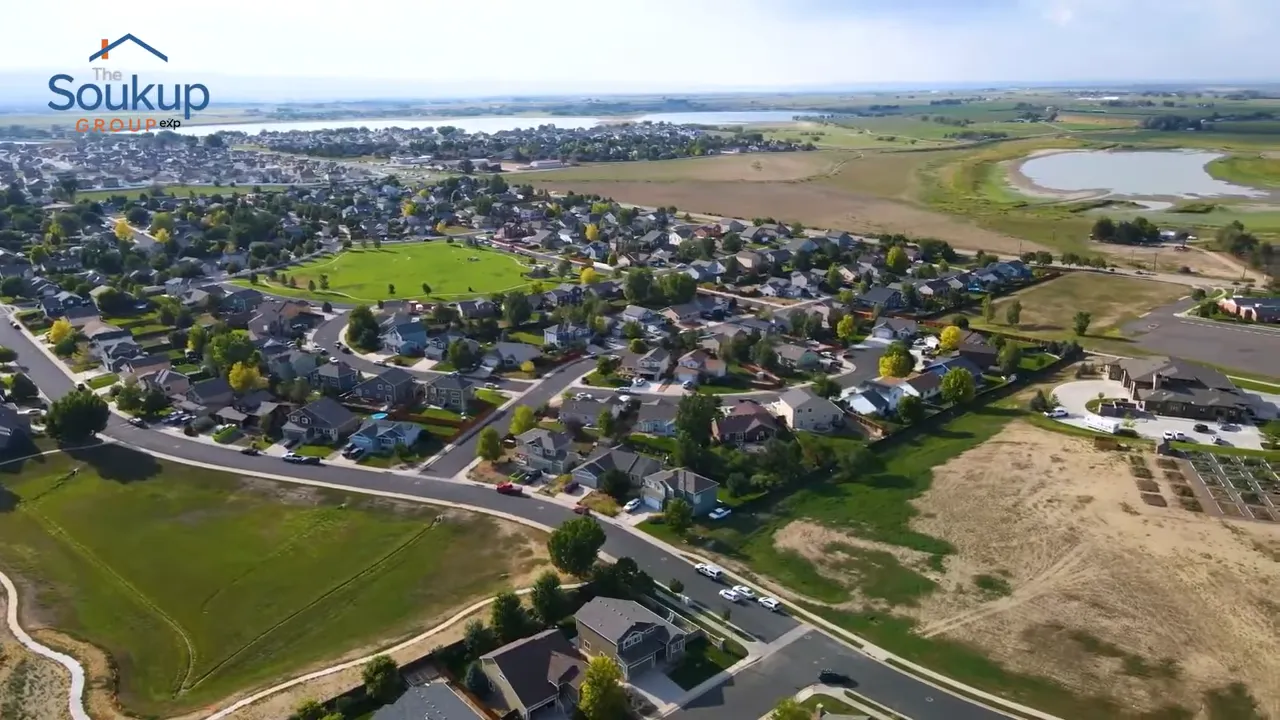
Northern Colorado has a nice balance: there is job growth, a highly educated population, strong healthcare, schools, restaurants, and a surprising number of breweries for a region of this size. Fort Collins is known as the microbrewery capital of America, with New Belgium leading the way, but there is much more going on than just beer.
The broader Larimer and Weld County region is around 750,000 people today and is expected to exceed one million over the next couple of decades. Even with that growth, it still feels far more relaxed than a major metro. Traffic can feel busy to someone born and raised here, but someone coming from Houston often laughs at what we call traffic.
The culture is also very casual. People are professional, intelligent, and accomplished, but suit-and-tie living is not really the norm. A nice button-up, a clean pair of jeans, a Subaru, a truck, a Jeep, or an EV fits right in. There are a lot of serious professionals and major players here, but it all stays pleasantly under the radar.
The Outdoor Lifestyle That Comes With Living in Colorado
The biggest draw of living in Colorado (Northern Colorado) is that outdoor recreation is woven into daily life. It is not always something that requires a two-hour drive, an early alarm, and a full Saturday commitment.
We can finish work, grab the kids or the dog, and be on a trail, at a park, on a bike ride, or near the water before dinner. That is a major lifestyle shift for people coming from humid climates, gray winters, or traffic-heavy metros.
Fort Collins has more than 45 miles of paved trails, with additional trail expansion planned over the coming years. The Poudre Trail alone gives us an impressive route stretching from the Bellevue area toward Greeley. We do not need to ride all of it to enjoy it. A quick 10-mile out-and-back after work is very realistic.
Then there are the parks. Fossil Creek Park is a perfect example of how much people actually use public amenities here. Families, tennis players, skateboarders, cyclists, runners, and people simply out for a walk all share these spaces. In many neighborhoods, getting to a park feels like walking out the back door.
For hiking, there are plenty of options close by:
- Lory State Park
- The A Trail
- Bobcat Ridge Natural Area
- Coyote Ridge Natural Area
- Devil's Backbone in Loveland
- Horsetooth Reservoir and its surrounding trails
This is why people who love living in Colorado (Northern Colorado) tend to build their routines around activity. We can paddleboard or boat at Horsetooth, raft or float parts of the Poudre, take a casual bike ride, head to a brewery patio, or hike for 45 minutes after work. The outdoors become part of normal life instead of an occasional escape.
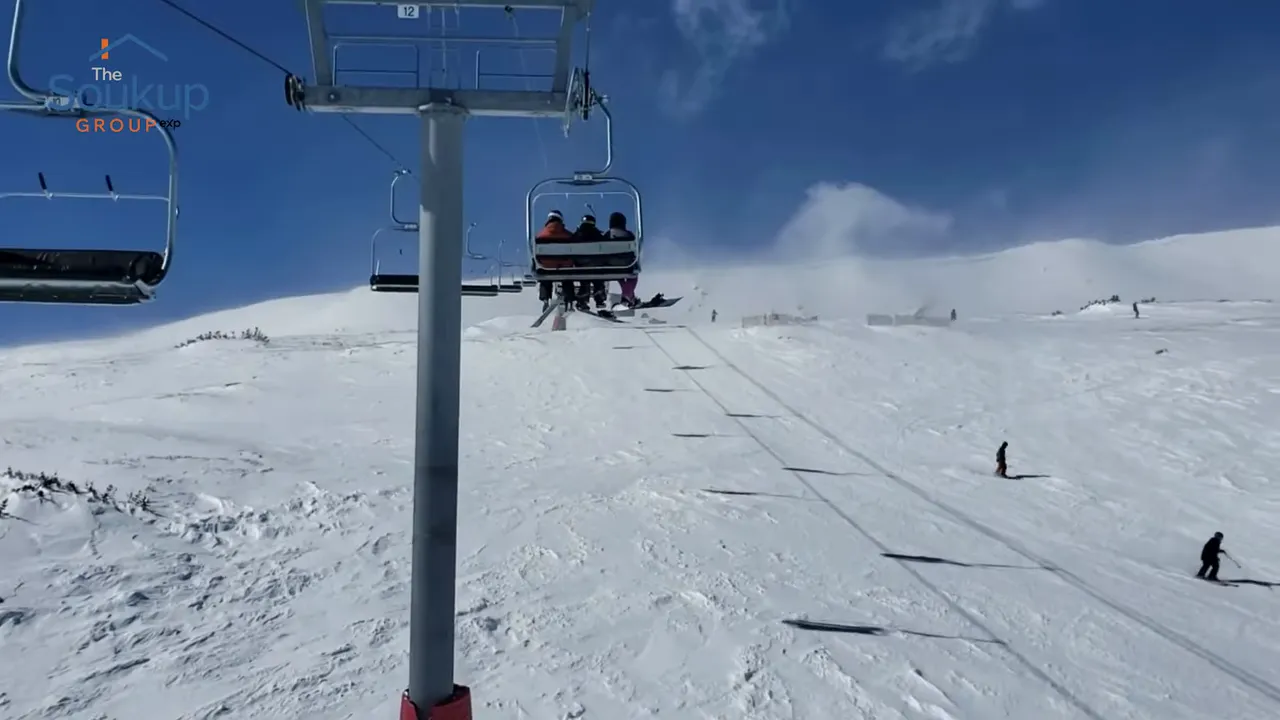
We are not a ski town, but skiing is still accessible. Eldora and Snowy Range are roughly 90 minutes away, while Steamboat and the I-70 resorts are around three hours depending on conditions. For people who ski five, 10, or 15 times each winter, that access is a huge benefit without having to live in an expensive mountain resort community.
Living in Northern Colorado Weather: Sunshine, Snow, Wind, and Hail
The weather surprises almost everybody who is new to living in Colorado (Northern Colorado). That surprise can be awesome or frustrating depending on the day.
We get roughly 300 days of sunshine per year, give or take, and that sunlight changes how winter feels. Even when temperatures dip below zero during a short polar-vortex stretch, sunny and dry conditions often feel much more manageable than damp cold in the Midwest.
Snow is also different than many people expect. We can have a dry winter, then get several inches of snow in May. We can wake up to snow on the grass and have sunshine by the afternoon. The sun does a lot of work here.
In a typical year, we may see roughly seven to 10 snowstorms that drop at least two inches. That can mean around 14 to 20 snow removals annually. If we can handle those events, we can usually handle the snow. Municipal snow services are strong, and many local trails are required to be cleared by 8:00 a.m., which is why some people bike to work year-round.
Still, winter is not everybody's favorite. By mid-January, plenty of us are ready for spring. Wind can absolutely ruin an otherwise great day, and hail is a real issue for homes and vehicles. Anyone buying property should pay attention to insurance coverage, deductibles, roof condition, and whether a policy covers replacement cost or actual cash value.
The Cost of Living in Northern Colorado: Is It Worth It?
There is no reason to pretend living in Colorado (Northern Colorado) is cheap. Colorado has expensive markets, and Fort Collins is one of the more expensive communities in the region. Timnath currently has the highest median sales prices in Northern Colorado because of its larger homes, newer construction, and luxury-style development.
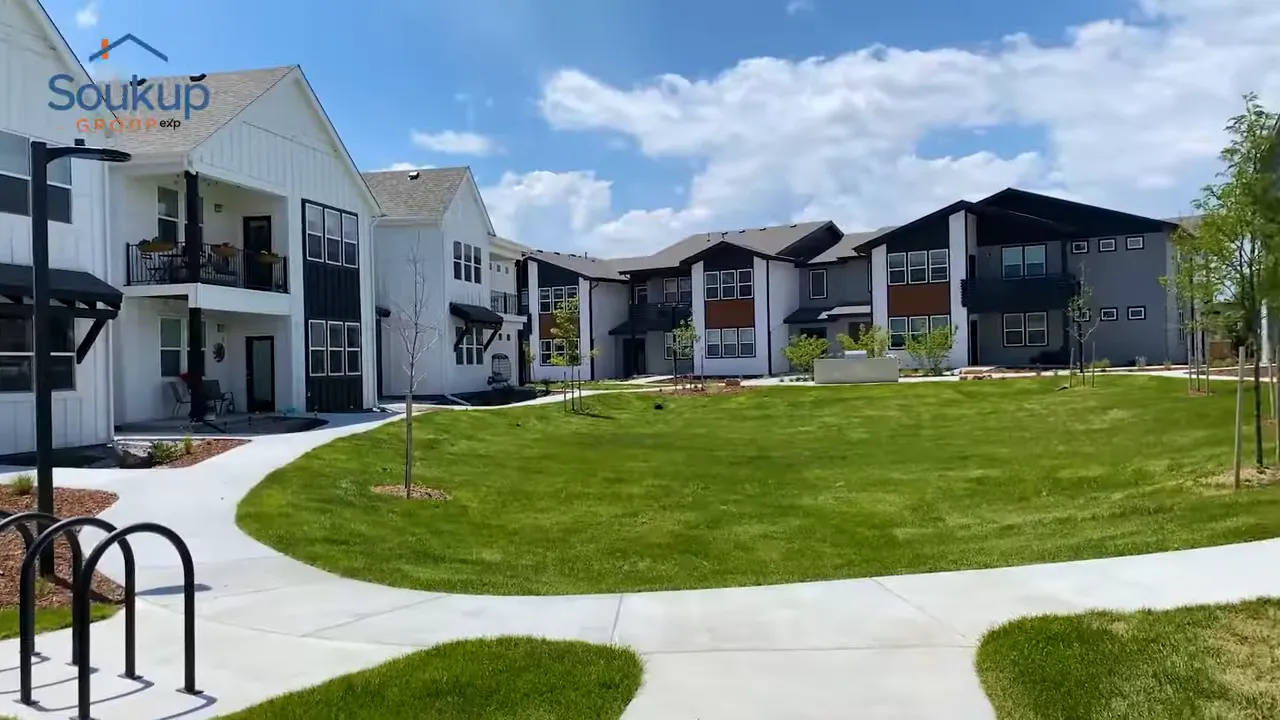
Fort Collins generally follows Timnath on pricing. Communities such as Greeley, Severance, and Johnstown can provide more affordable options, while Loveland and Berthoud continue to grow and change quickly. Across Fort Collins, Larimer County, and Northern Colorado, median home prices have generally been in the roughly $550,000 to $600,000 range.
What catches people off guard is that the full financial picture can look better than expected. Property taxes are often much lower than what buyers are used to in Texas, Illinois, Ohio, Indiana, or parts of the Midwest. A $400,000 home here may have annual property taxes closer to $2,750 to $3,000, while that same-priced home elsewhere could have dramatically higher taxes.
Insurance costs have increased, particularly for rental properties and homes exposed to hail, but the broader ancillary costs can still be reasonable. HOA fees are common as well. For a detached home in Fort Collins, an HOA might be around $1,000 annually depending on the community.
The value proposition for living in Colorado (Northern Colorado) is not just about the house. It is the schools, cleanliness, parks, healthcare, community feel, outdoor access, and location about an hour from Denver and Denver International Airport.
Why Metro Districts Matter When Living in Colorado
One of the biggest surprises for buyers looking at newer homes is the metro district. We hear this all the time from people moving from California, Arizona, Florida, or Texas: “We understand an HOA, but what exactly is a metro district?”
A metro district is a quasi-governmental entity that can levy taxes on residents to pay for infrastructure and development costs. In practical terms, it can increase the property tax bill on a new-construction home.
On that same $400,000 example, a home outside a metro district might have taxes around $2,750 to $3,000 per year. In a metro district, the bill could be closer to $4,000 to $4,200 annually, or roughly 1% to 1.25% depending on the specific property.
These districts can remain in place for decades, commonly 30 to 50 years, and may be refinanced or extended. Before buying new construction while living in Colorado (Northern Colorado), we should review the tax history, district obligations, HOA costs, insurance estimates, and the true monthly payment. A low advertised price does not tell the whole story.
The Healthy, Casual, and Community-Focused Lifestyle
The pace here is slower. People invite each other on walks, bike rides, brewery patios, hikes, park trips, and family outings. That is the social rhythm of the area.
For families, living in Colorado (Northern Colorado) can be top-notch. There are schools, sports, clubs, parks, trails, recreation programs, and plenty of growing communities filled with other young families. Windsor is a strong example. It was long considered a more affordable alternative to Fort Collins, and now many of those young families have grown up alongside the community.
The region is also highly educated. Colorado State University and the University of Northern Colorado are major assets, along with Front Range Community College and other educational opportunities. Colorado State is a Tier I research institution, while UNC has received significant state investment to expand its medical programs.
Despite that brainpower, the feel stays casual. We have a health-conscious population, strong community investment in parks and recreation, and a culture that values getting outside and enjoying life instead of constantly grinding.
That said, there are downsides. Northern Colorado is not a major nightlife market. Fort Collins has good restaurants, breweries, events, live music, art, and spots such as Social, but we do not have giant entertainment districts like bigger cities.
Making friends can also take intentional effort. With many people working remotely and fewer large corporate office environments, we cannot always rely on work to create a social circle. Joining a gym, trail group, recreation league, volunteer organization, school community, neighborhood event, or outdoor club can make a major difference.
Why More People Are Living in Northern Colorado
Growth is one of the defining realities of living in Colorado (Northern Colorado). Fort Collins itself has grown more slowly in recent years than many people assume, with a current population around 170,000 to 180,000. Its growth management area is still expected to reach around 250,000 people, although that timeline may extend toward 2060 or 2070.
The larger region is where the explosive growth is happening. Greeley, Johnstown, Severance, Windsor, Timnath, Berthoud, and Loveland are all seeing major development. Windsor is around 45,000 residents today and could grow to 60,000 or even 80,000. Timnath, once a town of roughly 500 people in the early 2000s, is now around 10,000 and remains one of the fastest-growing areas in the state by percentage.
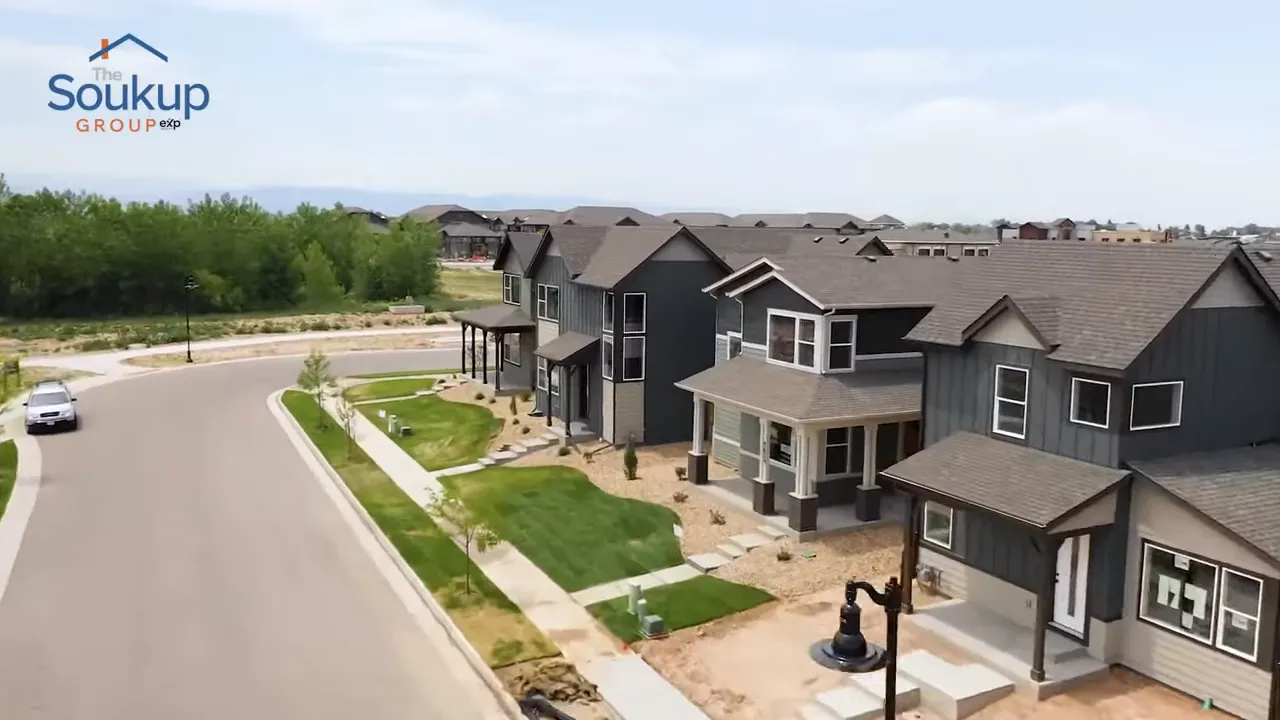
New amenities come with that growth. There is discussion of a major 12,500-seat venue in Northern Colorado, continued investment at the Ranch Complex and Blue Arena, redevelopment in Loveland, and major projects in communities across the region.
Infrastructure has to keep up. The I-25 corridor between Fort Collins and Denver is expected to gain three lanes by 2029, though growth may eventually create demand for even more. A Front Range Passenger Rail trial is also expected to begin around 2029, with trips between Fort Collins and Denver making multiple stops in roughly 80 minutes.
For real estate investors, living in Colorado (Northern Colorado) comes with a compelling supply-and-demand conversation. Estimates have suggested the region needs about 47,500 new housing units over the next decade, including 27,000 for-sale homes and 20,500 rentals. That does not eliminate risk, but it helps explain why many people remain confident in the long-term housing outlook.
Who Thrives When Living in Northern Colorado?
The people who do best here are usually looking for a life with less stress and more balance. They may be raising a family, working remotely, building a business, prioritizing health, or simply wanting to spend more time outside.
Living in Colorado (Northern Colorado) tends to work especially well for:
- Families wanting schools, parks, sports, clubs, and recreational opportunities
- People who want hiking, biking, skiing, boating, paddling, fishing, climbing, or rafting close by
- Remote workers who want a calmer home base than a major metro
- Professionals who value lifestyle alongside career growth
- People who want community events without the nonstop intensity of a huge city
- Buyers who appreciate a mix of established neighborhoods and new construction
This region can bring the stress level down. There is something powerful about wrapping up work at 5:00 p.m., walking around the park with the kids or dog, hopping on a bike, or meeting friends at Horsetooth on a Friday evening.
But it is not a fit for everybody. If we need high-energy nightlife, huge professional sports, major entertainment districts, a nonstop corporate environment, or a lifestyle that revolves around working 10 to 14 hours a day, we may feel limited here. If we hate being outside, the entire value proposition of living in Colorado (Northern Colorado) probably misses the mark.
The key question is simple: does the lifestyle here match the life we actually want to build? For people who want balance, community, sun, recreation, and room to breathe, Northern Colorado can be an incredibly good fit.
Whether you're relocating, searching for the right neighborhood, or exploring new construction homes in Northern Colorado, having a local expert can make the process much easier. From Fort Collins and Loveland to Windsor, Timnath, and the surrounding communities, I'm here to help you find a home that fits your lifestyle and goals.
Call/Text me at (970) 893-3533 or book a FREE consultation to get personalized guidance, learn about the latest new construction opportunities, and start planning your move to Northern Colorado with confidence.
FAQs About Living in Northern Colorado
Is Northern Colorado more affordable than Denver?
It depends on the community and property type, but many buyers find more value in Northern Colorado than in Denver, Boulder, or mountain towns. Fort Collins and Timnath can still be expensive, while Greeley, Johnstown, Severance, and some other communities may offer more accessible options. Property taxes are also often lower than in many parts of Texas and the Midwest.
How bad is winter when living in Colorado Northern Colorado?
Winter is generally manageable for people comfortable with occasional snow. The region often sees seven to 10 storms per year with at least two inches of snow, and the frequent sunshine helps roads, sidewalks, and trails clear relatively quickly. Wind and occasional severe cold can be frustrating, but the dry air makes many cold days feel less harsh than humid climates.
What are the biggest downsides of living in Colorado Northern Colorado?
The main tradeoffs are home prices, wind, hail, growth, metro district taxes in newer communities, limited nightlife compared with large metros, and the need to be intentional when making friends. The region is growing quickly, so anyone seeking a small-town atmosphere with no development should pay close attention to location.
Is Northern Colorado a good place for families?
Yes. Northern Colorado is especially appealing for families because of its parks, trails, schools, recreation programs, youth sports, community events, and growing neighborhoods with many other families. Fort Collins, Loveland, Windsor, Timnath, and Johnstown all offer different versions of that family-oriented lifestyle.
Do we need to be outdoorsy to enjoy Northern Colorado?
We do not need to be extreme athletes, but enjoying the outdoors helps. The region is built around walking, biking, parks, patios, trails, lakes, foothills, and year-round recreation. People who prefer a high-energy urban lifestyle over outdoor access may find a larger metro more suitable.
Read More: MOVING TO FORT COLLINS: WHAT $500K, $750K, AND $1M ACTUALLY BUY