If you are moving to Colorado, it is easy to picture mountain views, endless sunshine, and a quick transition into the outdoor lifestyle. And yes, all of that is here. But Northern Colorado has its own rhythm, weather quirks, housing realities, and very laid-back culture that can surprise people coming from out of state.
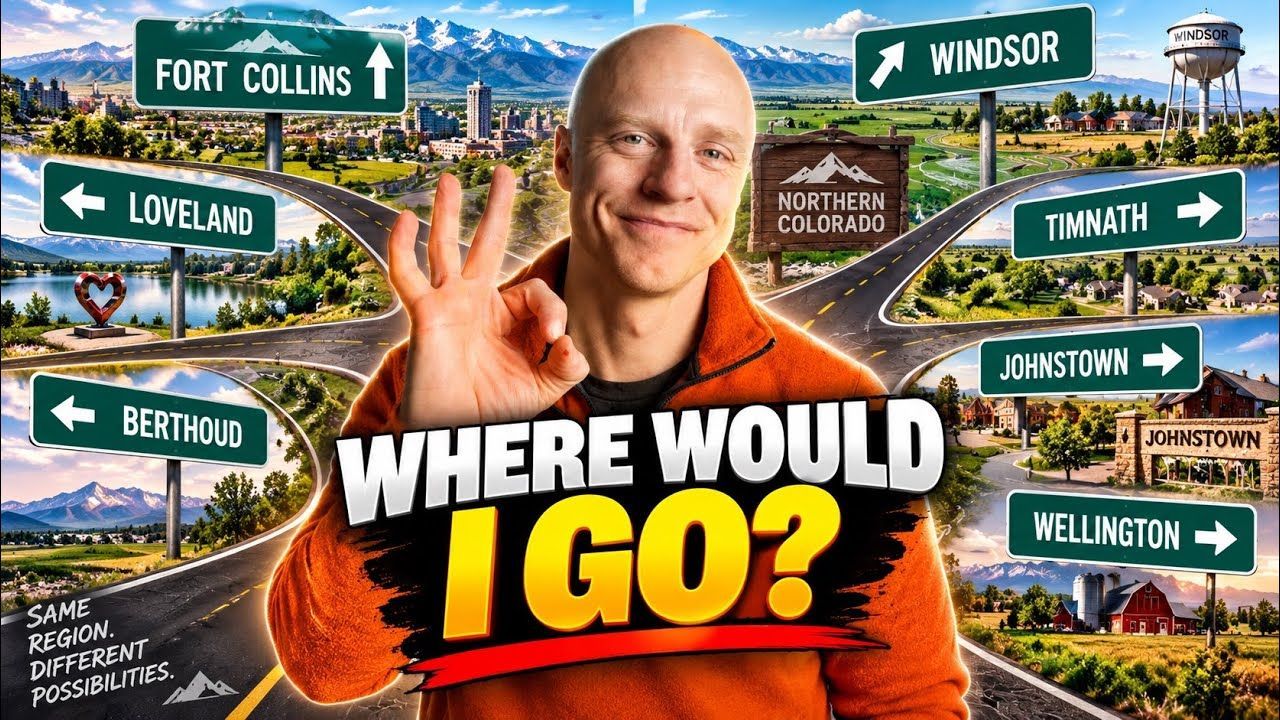
After making the move from the West Coast myself, I have learned that relocating is about more than choosing a house. It is about finding the place where your daily lifestyle actually works. Whether you are considering Fort Collins, Loveland, Windsor, Timnath, Wellington, or Berthoud, these are the things I would want to know before moving to Colorado.
Northern Colorado Is Not Denver
The first thing to understand when moving to Colorado is that Fort Collins and Northern Colorado are not just smaller versions of Denver. The vibe is genuinely different.
Denver is bigger, louder, busier, and more centered around nightlife, energy, and a more active dating scene. It has that major-city momentum. Northern Colorado, on the other hand, tends to feel more laid-back, family-friendly, and rooted in everyday quality of life.
That does not mean one is better than the other. It just means you should not lump them together. People sometimes compare Fort Collins and Denver as though they are practically the same place, but they can feel as different as two separate states.
When moving to Colorado, spend time considering what your normal Tuesday looks like, not only what your weekend might look like. Do you want more nightlife, density, and city energy? Denver may fit. Do you want open space, neighborhood paths, a quieter pace, and easy access to daily outdoor time? Northern Colorado may feel much more like home.
Wind and Sun After Moving to Colorado
The wind is absolutely no joke. It is one of those things people do not always expect when moving to Colorado, especially if they are focused on snow.
There can be days with a light breeze that barely affects your plans, but it still makes the temperature feel cooler than it looks. You may look outside at a gorgeous sunny morning, head out in a sweatshirt, and immediately realize that an extra layer would have been a very good idea.
Then there are the seriously windy days. Wind can make driving on the interstate feel more intense, particularly around semis. Be thoughtful, give yourself room, and drive carefully. It is also worth keeping a jacket in the car even when the forecast looks warm.
At the same time, the sun here is intense. It is one of the biggest surprises after moving to Colorado from a cloudier place. When the wind is not cutting through, the sun can feel hot on your face even when the temperature does not seem all that dramatic. Sunscreen is not optional just because it is not summer. I learned that lesson the hard way after getting a pretty bad burn on my legs.
Funny enough, wind and sun tend to catch newcomers more off guard than snow. Snowfall is common enough that the area is prepared for it. In Fort Collins, sidewalks are often cleared quickly, and a snowy day can be followed by bright blue skies and comfortable conditions for a walk the next day.
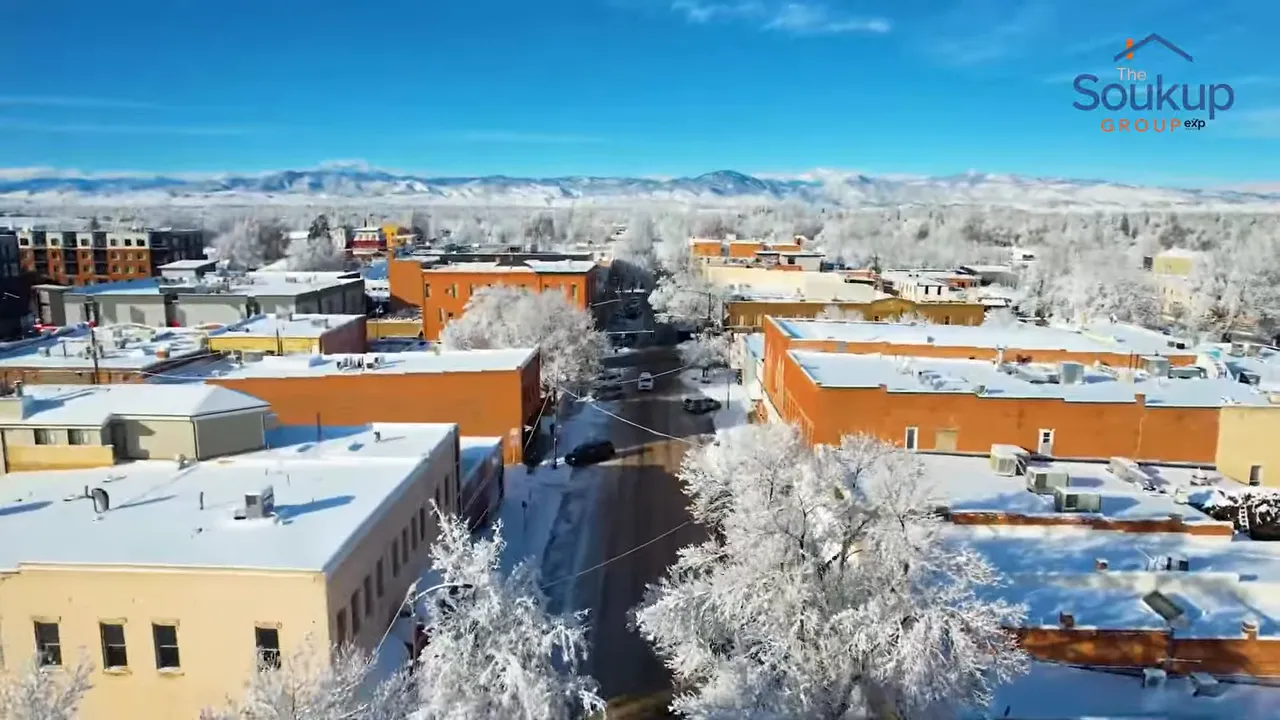
For most people, snow is beautiful and manageable rather than a major disruption to day-to-day life. The exception, obviously, is if you work outdoors and do not enjoy being cold. Otherwise, the infrastructure is there because snow happens often enough.
Why Northern Colorado Feels More Spread Out
Northern Colorado is more spread out than many people expect. Cities here do not run directly into one another the way they do in more densely developed metro areas.
Driving from Fort Collins to Loveland, for example, includes visible open space between the communities. The same goes for a drive toward Berthoud. There is more rural land, more fields, and clearer separation between towns. You know when you have entered a new place.
That means moving to Colorado can require a small adjustment in how you think about distance. You may be driving farther than you did in a connected urban area, but traffic is often not the issue. It is less about sitting in congestion and more about the actual physical distance between destinations.
Within Fort Collins, many everyday places are roughly 18 to 20 minutes away, depending on where you start and where you are going. A drive from North Fort Collins to South Loveland, downtown to downtown, can be around 30 minutes. That is a good amount of driving, but it is often a fairly straightforward drive.
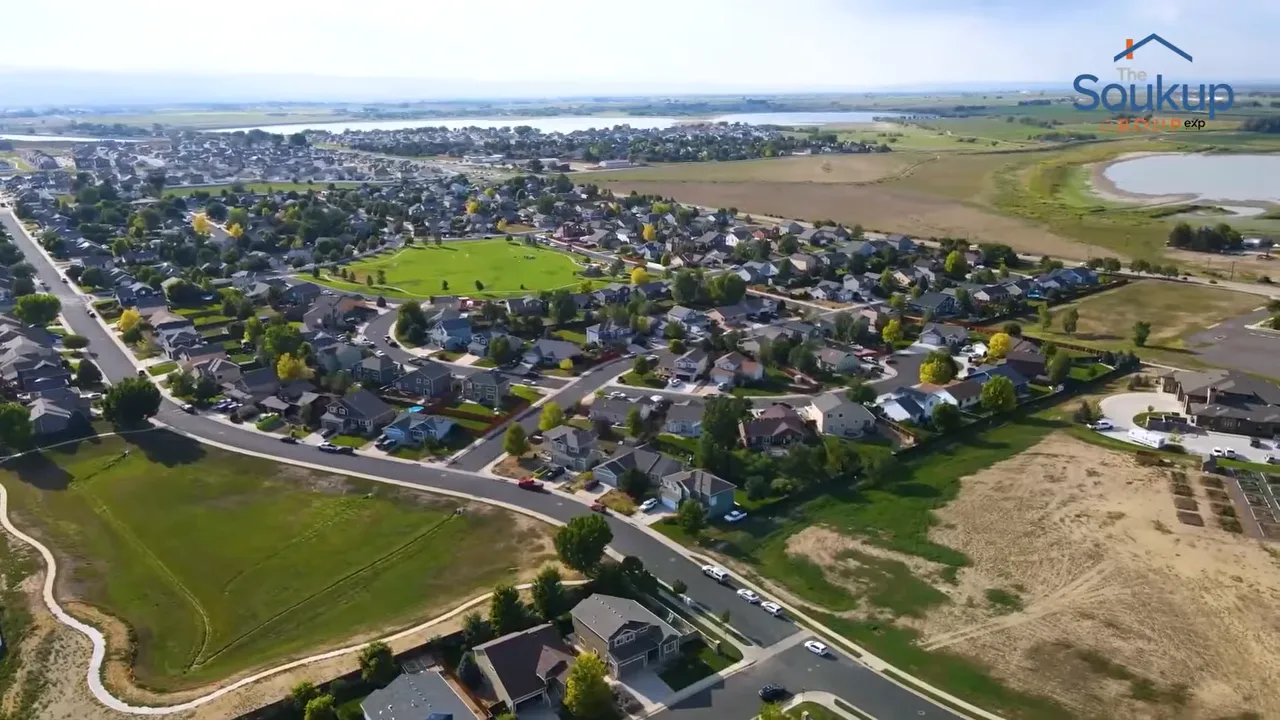
The payoff is that Northern Colorado values open space. Walking paths, biking paths, parks, and natural areas are woven into so many neighborhoods. If access to trails and paths is on your home wish list, you will find that it is available in a lot of places here.
There is one major asterisk: I-25. The highway has expanded, including a toll lane, but an accident can still create a backup because there are not always many easy alternate routes. If your commute depends on I-25, build in extra time and expect that traffic patterns can change fast when something happens.
Weather Mood Swings When Moving to Colorado
Weather in Northern Colorado has mood swings. If you do not like the weather, wait a bit. It may honestly change before you finish your plans.
During summer, it is common to have a beautiful morning and see clouds build in the afternoon. Rain, thunder, and lightning can roll through around the middle or later part of the day. The conditions change quickly enough that weather apps are helpful, but they are not always the final word.
When moving to Colorado, pack like someone who understands that sunshine, wind, rain, and cooler temperatures can all show up in the same day. Keep different clothing in your car. Layers are not just a hiking suggestion here. They are a lifestyle.
It can snow one day and be around 70 degrees the next. Winter sunshine can make 25 degrees feel surprisingly nice, especially if you are walking, running, or hiking. You will see people in shorts during winter, and after living here for a while, it does not even seem strange.
Rain is not usually long-lasting, and because the area does not get a ton of it, rainy days can actually feel like a treat. The ground gets moisture, the landscape looks vibrant and green afterward, and it is a nice break from all the sun.
One practical thing to remember when moving to Colorado with children is that some older school buildings do not have air conditioning. Since the region is not hot year-round in the way Texas or Florida is, extreme heat can occasionally affect school operations.
Housing Costs When Moving to Northern Colorado
Housing costs in Northern Colorado can surprise people from both directions. Those coming from the Midwest may experience serious sticker shock. Those coming from Washington, California, or other expensive markets may expect a much larger discount than they actually find.
It is all perspective. A home that may feel attainable in Northern Colorado could be out of reach in a more expensive coastal market. But this is also a highly desirable place to live, and prices have risen dramatically as more people have chosen to relocate here.
Fort Collins is often the most expensive option on a price-per-square-foot basis. It is the best-known community in the area, home to the college, and often the first city people research when moving to Colorado.
That does not mean Fort Collins is automatically the best fit. Loveland, Windsor, Timnath, Wellington, and Berthoud may offer a better match depending on your lifestyle, budget, commute, and the type of home you want.
- Fort Collins: More well-known, busier, college influence, and often higher price per square foot.
- Loveland: A nearby option with its own downtown, neighborhoods, and lifestyle.
- Timnath and Windsor: Communities worth considering for different home styles, locations, and priorities.
- Wellington and Berthoud: Smaller-town options that can make sense depending on where you want to be.
The homebuying process itself may also be different from what you know. In Colorado, the under-contract period is commonly around 30 days, with inspections generally handled in the first two weeks. Dates and deadlines move quickly, so it is important to understand the contract process before writing an offer.
That can feel very different for someone moving to Colorado from a market where attorneys are involved or where contracts unfold over six to eight weeks. If you are selling in one state while buying here, knowing the timing and deadlines upfront is a huge part of making both transactions work together.
Northern Colorado Culture and Lifestyle
There are a few Northern Colorado cultural details that make people smile once they get here.
First, dogs are basically children. You will see dogs at breweries, on patios, near shops with water bowls outside, and out on trails. They are part of daily life here. For many households, finding dog-friendly spaces is not a bonus. It is part of how they choose where to spend time.
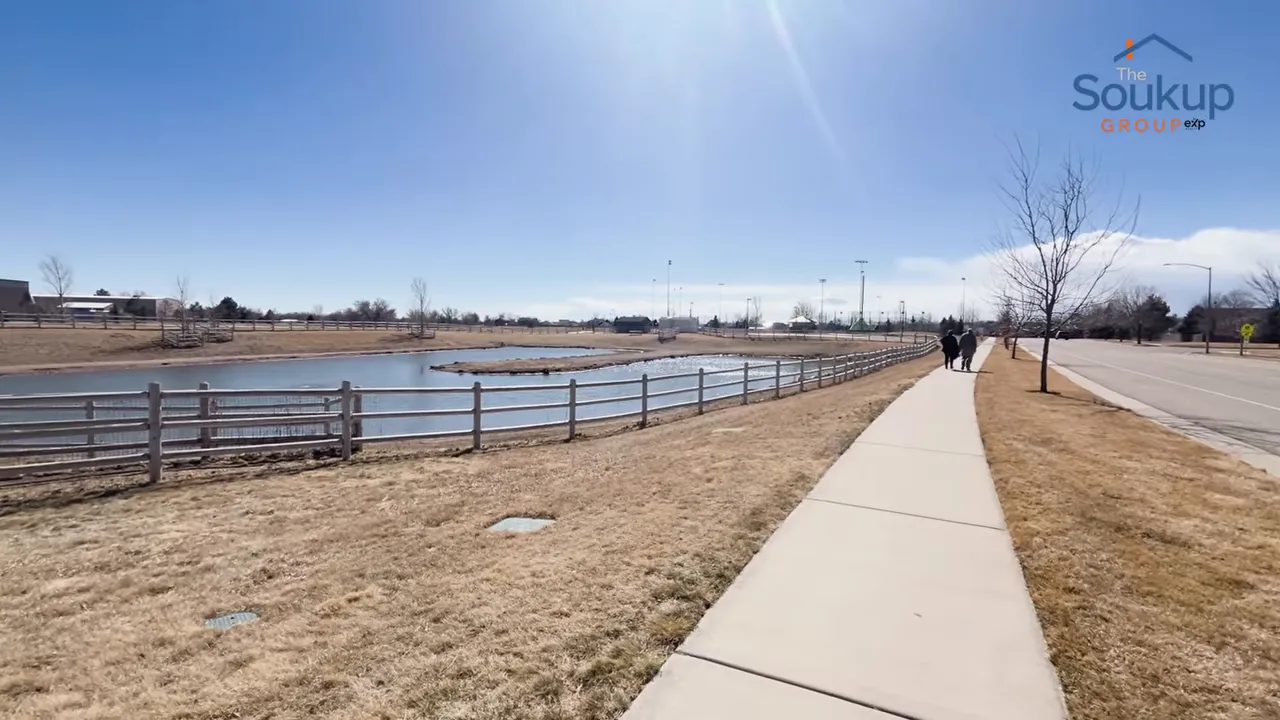
Second, the culture is extremely casual. You can walk into a nice restaurant in ski clothes or hiking gear and no one is going to question it. People wear what they want. Outdoor gear is basically everyday clothing, and the bright technical jackets are everywhere.
Dress up if you want to dress up. Do your thing. Just know that the default vibe is relaxed, practical, and not overly concerned with appearances.
Third, people really try to make work fit around life. There are plenty of remote workers, especially among people who chose Northern Colorado because they could work from a computer anywhere. It is not unusual for people to wrap up work early and head out for a hike, skiing, a brewery, or simply time outside.
You can feel that work-life balance in the traffic, too. A Friday afternoon can get busy around 3:00 p.m., then feel quieter by the time you might expect the traditional rush hour. People are trying to enjoy the lifestyle they moved here for, and honestly, I think that is great.
Outdoor Life After Moving to Colorado
You will probably become more outdoorsy after moving to Colorado, but that does not mean you need to transform into a mountain athlete overnight.
You do not have to ski, snowboard, drink beer, own a bike, or hike every weekend to fit in here. You can love horses, walks with your dogs, sunshine, open fields, neighborhood trails, or simply being around natural spaces. There is room for all of it.
The biggest change is that the environment encourages you to get outside more often. Sunshine throughout the year makes a daily walk feel doable. Open space is close by. People around you are out running, biking, walking, and making health part of their routine. That energy can rub off on you in the best way.
When moving to Colorado, you may find your habits shifting naturally. Maybe it is one or two dog walks a day. Maybe it is building out a garage gym. Maybe it is finally spending more time riding horses, hiking, or taking a trail you pass every day. The lifestyle can change what you care about because being outside is simply more accessible.
And if your ideal weekend is not a summit, ski lift, or brewery patio, that is okay too. Northern Colorado is welcoming to people who want an active lifestyle and people who just want a beautiful, relaxed place to live.
If you're thinking about moving to Colorado and want help finding the right community, I'd love to help. Whether you're relocating to Fort Collins, Loveland, Windsor, Timnath, Wellington, or Berthoud, I can guide you through the process and help you find the neighborhood and home that best fits your lifestyle.
If you're considering new construction , I can help you explore the latest communities, compare builders, and navigate the homebuying process with confidence.
Call or text me today at 970-893-3533 or book a FREE consultation to discuss your relocation plans, explore new construction opportunities, and find the Northern Colorado home that's right for you.
FAQs About Moving to Colorado
Is Northern Colorado A Good Fit For People Who Do Not Want Denver Energy?
Yes. Northern Colorado generally has a more relaxed, family-friendly, and outdoor-oriented feel than Denver. It still has amenities and active communities, but it is not built around the same level of nightlife, density, or city energy.
Is Snow A Major Problem When Moving To Colorado?
For most day-to-day life in Northern Colorado, snow is manageable. It often melts quickly with sunshine, and local infrastructure is accustomed to regular snowfall. Wind and intense sun tend to surprise many newcomers more than snow does.
How Far Apart Are Fort Collins And Other Northern Colorado Towns?
Communities are more separated by open space than in dense metro areas. Fort Collins to Loveland can feel like a real drive, with downtown-to-downtown travel from North Fort Collins to South Loveland around 30 minutes. The upside is that traffic is often lighter than in larger cities, except when I-25 has an accident.
Are Homes Affordable When Moving To Colorado?
Affordability depends heavily on where you are coming from. Northern Colorado may be more attainable than some coastal markets, but it can be a significant price jump for people relocating from the Midwest. Fort Collins is often the most expensive locally by price per square foot, while nearby towns may offer different options.
Do I Need To Be Extremely Outdoorsy To Enjoy Northern Colorado?
Not at all. The outdoor culture is strong, but there is no requirement to ski, bike, hike constantly, or drink beer. The area is also a great fit for people who simply enjoy sunshine, dog walks, open space, neighborhood paths, and a calmer pace of life.
Moving to Colorado
can be a major lifestyle shift, and Northern Colorado has a way of making that shift feel exciting. Come for the scenery, but choose your community based on the pace, people, weather, commute, housing fit, and everyday life you want to build.
Read More: LIVING IN FORT COLLINS VS LOVELAND: WHICH NORTHERN COLORADO CITY IS RIGHT FOR YOU?