The cost of living in Colorado is one of those topics that can stop people in their tracks. We hear all the time how much people love the lifestyle, the weather, the mountains, the outdoor access, and the overall quality of life. But eventually the practical question shows up: what does it actually cost to live here?
That is the right question to ask.
Colorado is not cheap. In fact, when we look at broad statewide rankings, the cost of living in Colorado lands among the highest in the country. And if we are being honest, housing is doing most of the heavy lifting there. Child care, health insurance, and the everyday hidden costs of owning a home also matter, but housing is the big one.
So rather than tossing out one dramatic headline and calling it a day, we need to break this into pieces. We need to look at home prices, rents, insurance, taxes, utilities, maintenance, and then the bigger long term question that a lot of people wrestle with: is it smarter to rent or own in Colorado?
Table of Contents
- Cost of Living in Colorado Overview
- Colorado Housing Costs
- Why Home Prices Are Rising
- Health Care & Child Care
- Hidden Homeownership Costs
- Property Taxes in Colorado
- Renting vs Buying in Colorado
- Homeownership Benefits
- Cost of Living in Colorado Summary
- FAQs About Cost of Living in Colorado
Cost of Living in Colorado Overview
When people talk about the cost of living in Colorado, they are usually talking about a few specific pressure points.
- Housing affordability
- Health insurance
- Child care
- Insurance and maintenance costs tied to homeownership
At the statewide level, Colorado ranks near the bottom for affordability. That does not mean every single expense here is worse than every other place. It means that when the big categories are added together, this is simply an expensive state to call home.
And there is an important distinction here. A place can offer a fantastic lifestyle and still be financially challenging. Both can be true at once. We can love what Colorado offers and still admit that the numbers require serious thought.
That tension is really at the heart of the conversation. We do not want to be house rich and cash poor. We want to live in a place we enjoy, but we also want room in the budget to actually enjoy it.
Colorado Housing Costs
If we strip everything else away, the cost of living in Colorado starts with housing.
The median home price discussed here sits around $540,000. That is down a bit from the prior high watermark of roughly $562,000, which is at least a small bit of relief. But let us be real, a median price in the mid five hundreds still creates a steep entry point for a lot of people, especially first time buyers.
Housing affordability is one of Colorado’s weakest categories. Homeownership rates remain relatively strong overall, but they have slipped. That matters because it points to something deeper than just “homes are expensive.” It suggests that more households are struggling to cross the line from renting into owning.
Another figure worth paying attention to is housing burden. More than half of households are spending over one third of gross income on housing. That is the classic warning sign. Once too much income goes to housing, everything else gets squeezed.
That is when financial stress starts to show up in very normal life decisions:
- Can we save enough each month?
- Can we travel?
- Can we afford child care?
- Can we handle a big repair?
- Can we still build wealth over time?
So yes, when people say the cost of living in Colorado is high, they are mostly talking about the reality of paying for a roof over their heads.
Why Home Prices Are Rising
It is easy to look at high prices and assume the answer is simple. More people moved in, so prices rose. That is part of it, but it is not the whole story.
Colorado also has a meaningful housing shortage. The number used here is roughly 104,800 homes short. At the same time, housing starts have slowed. So while demand remains solid, the supply response has not kept pace.
Why not?
Because building is expensive, slow, and complicated.
Before a shovel even hits the dirt, a huge amount of cost has already been piled onto a project. Think easements, entitlements, conceptual reviews, final reviews, water fees, and development review costs. The rough estimate shared here is that around a quarter of the total cost of a home can be tied up before actual construction really begins.

EXPLORE HOMES FOR SALE IN NORTHERN COLORADO
Then add water rights, which have become dramatically more expensive over time. Add long municipal approval timelines. In some places, getting from planning to real construction can take two to three years.
That is a lot of holding cost. A lot of risk. A lot of capital tied up.
So developers often end up building larger, denser, higher priced products because that is what makes the economics work. That does not do much for entry level affordability.
This is why the cost of living in Colorado is not just a consumer issue. It is a policy issue, a planning issue, and a supply issue all rolled into one.
Health Care & Child Care
Housing gets the spotlight, but the rest of the budget matters too.
Health insurance
Health insurance is one of those expenses that can feel like a second mortgage. A statewide per person average around $554 per month was referenced, and for a family plan the monthly number can be much higher depending on coverage, deductibles, and where insurance is purchased.
That is not a minor line item. For many households, it changes the whole financial picture.
Child care
Child care in Colorado can swing wildly depending on the setup.
On the lighter end, part time in home care can be relatively manageable. On the higher end, an au pair arrangement or full service care can rise dramatically once agency fees, transportation, insurance, food, and weekly pay are factored in.
A realistic working range offered here was roughly:
- $10,000 per year on the lower to moderate side
- $30,000 per year on the higher end
And one more thing matters here beyond price: availability. For families with young kids, it is not just about affording care. It is about finding a spot at all.
That can become a major part of the cost of living in Colorado conversation for dual income households.
Hidden Homeownership Costs
This is where a lot of people get surprised.
When we talk about buying a house, most people focus on the purchase price, mortgage rate, and down payment. But the hidden costs are what can really change the math.
The categories highlighted here were:
- Property taxes
- Home insurance
- Utilities and energy
- Internet and cable
- Maintenance
Across the United States, the annual hidden cost of homeownership was estimated around $21,400. In Colorado, it came in higher at roughly $25,766.
The biggest difference maker was maintenance. Colorado’s annual maintenance estimate came in around $13,014, far above the national average used in the comparison.
That might sound high until we stop thinking only about emergency repairs and start thinking about real ownership over time.
Maintenance includes things like:
- Landscaping and yard work
- Mulch, sprinklers, and irrigation fixes
- Paint
- HVAC service and replacement
- Furnace work
- Tools and equipment
- General wear and tear
Some years will be light. Some years will absolutely not be light. Over time, the average starts to make a lot more sense.
This is exactly why the cost of living in Colorado cannot be measured by mortgage alone.
Home insurance
One insurance figure in the scorecard looked too high to be very useful. A more reasonable estimate was closer to about 0.5% to 0.6% of home value annually.
On a $540,000 home, that would place many owners somewhere in the neighborhood of $2,500 to $3,500 per year, depending on deductible, roof coverage, liability limits, and endorsements.
So while home insurance is not cheap, it may not be quite as extreme as some headline numbers suggest.
Utilities and internet
Utilities in Colorado compared fairly well versus national averages in this example. Internet can also be better than expected in areas with municipal broadband options. In Fort Collins and Loveland, for example, faster service at a competitive price can be a real bright spot.
The funny part is that people often think cutting cable solves everything, then end up stacking streaming subscriptions until they are right back near the old bill.
That is not a Colorado problem. That is just modern life.
Property Taxes in Colorado
One area where Colorado can actually compare favorably is property tax, especially for people relocating from higher tax states.
For someone moving from a place where property taxes on a $600,000 home might be extremely high, Colorado can feel like a relief. Even stepping into a more expensive home here can sometimes bring lower annual property taxes than what they were paying before.
But there is a wrinkle, and it is an important one: metro districts.
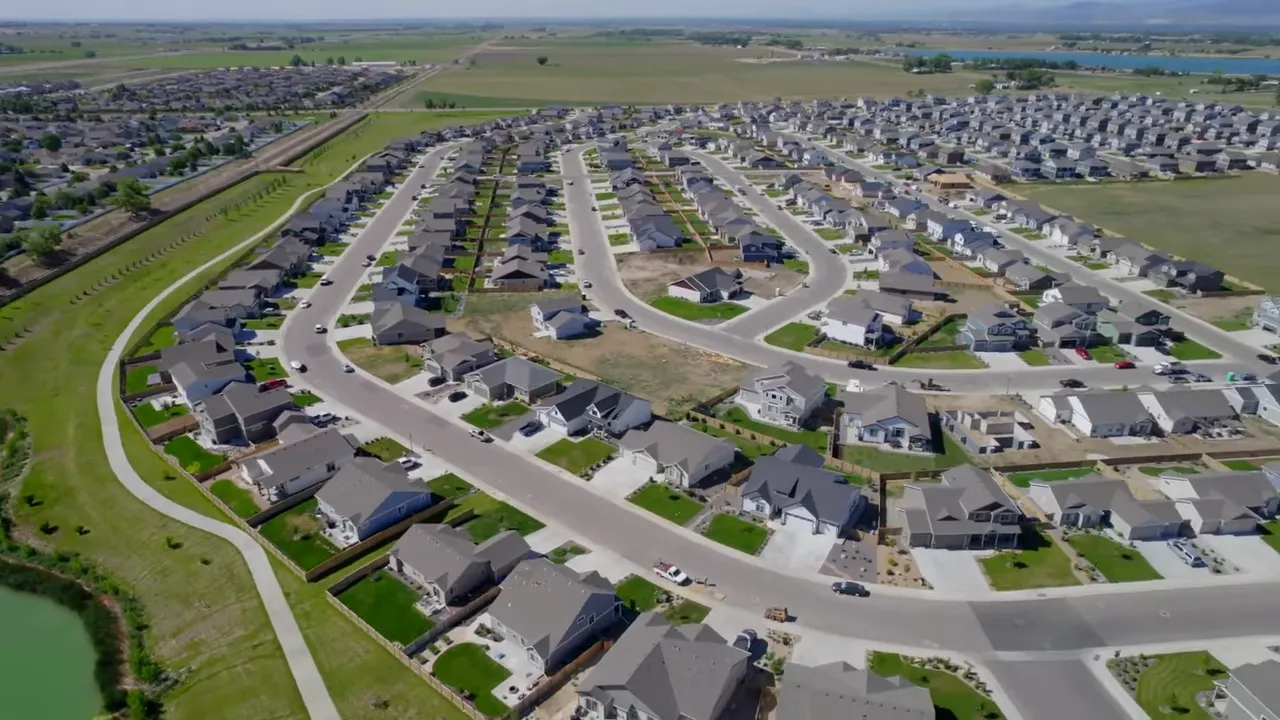
Metro districts are development financing tools. In simple terms, they help fund infrastructure and development costs, and those costs are repaid over time by the property owners in that district. So instead of a more typical annual tax rate around the lower end, homes in a metro district may effectively feel more like a higher tax burden.
That does not automatically make them bad. Many of these neighborhoods are well done and have strong amenities. But they absolutely need to be evaluated before buying because one district can operate very differently from another.
This is one of those details that can meaningfully shift the true cost of living in Colorado from neighborhood to neighborhood.
Renting vs Buying in Colorado
Now for the big debate.
Is it better to rent or own?
The answer is not as simple as real estate people sometimes make it sound.
Using a rent versus buy calculator, one sample comparison looked at a home around $625,000 with:
- 6.5% fixed mortgage rate
- 20% down payment in one scenario
- Lower down payment assumptions in another
- Rent growth assumptions between 3% and 5%
- Home appreciation assumptions from 2% up to the Fort Collins historical average
At first glance, renting looked attractive. The monthly ownership cost was much higher, and if someone took that difference plus the down payment and invested it consistently, renting could actually produce a larger net worth over time.
That is the key condition though: if someone actually invests the difference.
That is a giant if.
If a household can truly take a $2,000 to $3,000 monthly savings gap and invest it with discipline for decades, renting can be a very strong financial strategy.
But if that does not happen, the math changes fast.
Flexibility has value
Renting also brings some real nonfinancial benefits:
- Greater flexibility
- Less responsibility for repairs
- No surprise roof deductible after a hail storm
- No property tax exposure directly
- Lower maintenance burden
That matters. We should not pretend there is no value there.
Owning has leverage
On the other side, owning gives us control over a much larger asset with a relatively small initial cash investment. That is the power of leverage. A modest down payment can put us in control of a several hundred thousand dollar asset, and appreciation works on the full asset value, not just our initial cash.
That is a powerful wealth building tool when prices rise over time.
Homeownership Benefits
This is where the ownership case gets stronger.
Historically, Fort Collins home appreciation was discussed at roughly 5.5% annually over a long period. That includes some crazy years and some flatter years, but it gives us a baseline for what long term growth has looked like.
When that appreciation rate is plugged into the calculator, owning starts to make more sense.
Then add principal paydown. Every month, part of the mortgage payment reduces debt. We may not feel that in our checking account the way we feel a brokerage contribution, but it is still real wealth accumulation.
That is why homeownership acts like a form of forced savings. Many people are simply more likely to build wealth through a mortgage than through perfect investing discipline.
There is also the tax side. For a primary residence, capital gains exclusions can be significant when a home is sold, subject to meeting the rules. That adds another meaningful advantage to ownership over time.
So while a perfectly disciplined renter-investor may come out ahead on paper, the more common real world outcome may favor ownership simply because it is easier for people to stay consistent with it.
That does not mean buying is always right. It means the cost of living in Colorado has to be viewed through a long term lens, not just a year one payment lens.
FIND OR BUILD YOUR NEW CONSTRUCTION HOME IN NORTHERN COLORADO
Cost of Living in Colorado Summary
So what do we make of all this?
The cost of living in Colorado is high. There is no point sugarcoating that. Housing affordability is a real challenge. Child care can be expensive. Health insurance can be brutal. Homeownership comes with more hidden cost than many people expect.
But that is not the whole story.
For some households, especially those relocating with equity from a more expensive market, Colorado can still feel like a value buy. For young buyers, the biggest challenge is simply getting a first foothold. Getting a piece on the board matters. Once that happens, appreciation, principal reduction, and future move-up opportunities can start working in our favor.
That is really the long game.
If we are only asking whether Colorado is cheap, the answer is no. If we are asking whether it can still make financial sense to build a life here, the answer is often yes, depending on income, stage of life, and whether we plan strategically.
That is the honest read on the cost of living in Colorado. Expensive up front, nuanced in the middle, and potentially rewarding over the long haul if we approach it with eyes wide open.
Whether you're relocating, buying your first home, or deciding if renting or owning makes the most sense, having the right guidance can make all the difference. I'd be happy to help you understand your options, answer your questions, and create a plan that fits your goals and budget.
Call/Text me at 970-893-3533 or book a FREE consultation. Let's talk about your move to Colorado and find the right home and community for you.
FAQs About Cost of Living in Colorado
Is the cost of living in Colorado mainly driven by housing?
Yes. Housing is the biggest factor in the cost of living in Colorado. Median home prices, rent levels, and housing shortages all push costs upward more than most other categories.
What is a realistic home price to expect in Colorado?
In the statewide figures discussed here, the median home price was around $540,000. Local markets can vary, but that gives a useful starting point for understanding the cost of living in Colorado.
Are property taxes in Colorado high?
Compared with some other states, Colorado property taxes can actually be relatively favorable. However, metro districts can raise the effective burden in certain neighborhoods, so the details matter a lot.
How much should we budget for hidden homeownership costs?
A broad estimate used here put Colorado hidden homeownership costs near $25,766 per year when combining maintenance, taxes, insurance, utilities, and internet related costs. Actual numbers can vary widely by home and location.
Is renting better than buying in Colorado?
It depends. Renting can win financially if we consistently invest the monthly savings and any unused down payment. Buying often wins for households that benefit from appreciation, principal paydown, and the forced savings effect of a mortgage.
What other costs should families think about besides housing?
Health insurance and child care are two major expenses that can significantly affect the cost of living in Colorado. Families should also look at utilities, insurance, transportation, and access to available child care spots.
Read More: MOVING TO NORTHERN COLORADO: BEST PLACES TO LIVE, COSTS & WHAT TO EXPECT