Table of Contents
- Introduction: Living in Fort Collins, CO
- Cost of Living in Fort Collins, CO
- What You’re Paying For in Fort Collins, CO
- Why People Choose Fort Collins, CO
- Downsides of Living in Fort Collins, CO
- Who Living in Fort Collins, CO Is Best For
- Who Should Think Twice
- Final Thoughts
- FAQs About Living in Fort Collins, CO
Introduction: Living in Fort Collins, CO
Living in Fort Collins, CO has become a much more serious financial decision than it used to be. Years ago, Fort Collins had a reputation as a value buy. It was one of those places people discovered before the rest of the country fully caught on. That is not the reality anymore.
Today, when people start considering living in Fort Collins, CO, the question is usually pretty direct: Is this lifestyle actually worth the price tag, or is this going to be an expensive mistake?
That is the right question to ask.
Fort Collins is not cheap. But price alone is not the full story. What matters is what you get for that cost, what kind of day-to-day life you can build here, and whether the city fits the way you actually want to live.
Cost of Living in Fort Collins, CO
Let’s start with the numbers, because this is where the conversation usually gets real.
The median sales price for a single-family detached home in Fort Collins is around $625,000 on a rolling 12-month basis. For that, you are generally getting:
- About 4 bedrooms
- 2 to 3 bathrooms
- A 2-car garage
- A home built somewhere between the 1990s and 2010s
- A lot in the 5,000 to 8,000 square foot range
- A suburban residential neighborhood
If you are looking for more of an entry-level purchase, like a condo or townhome, you are typically closer to $400,000. That usually gets you:
- 2 to 3 bedrooms
- 2 to 3 bathrooms
- A 1-car garage
- Roughly 1,300 to 1,700 square feet
- A property often built in the 1990s
And if you are planning to rent first, here is the rough range:
- 1-bedroom apartment:$1,500 to $2,000
- 2-bedroom apartment:$1,800 to $2,200
- Single-family home: generally north of $2,500
Those numbers are not low, and there is no point pretending otherwise. For most households, housing is going to be the single biggest monthly cost, often taking up 30% to 40% of gross income. So when people think about living in Fort Collins, CO, they are not just asking whether they can afford it. They are asking whether they are getting enough value in return.
What You’re Paying For in Fort Collins, CO
There are plenty of ways to measure cost of living. You can compare groceries, insurance, restaurants, and taxes. But what really sets Fort Collins apart is not one line item. It is the overall quality of the environment you live in every day.
One of the first things people notice when they arrive is that the city feels clean, maintained, and intentional.
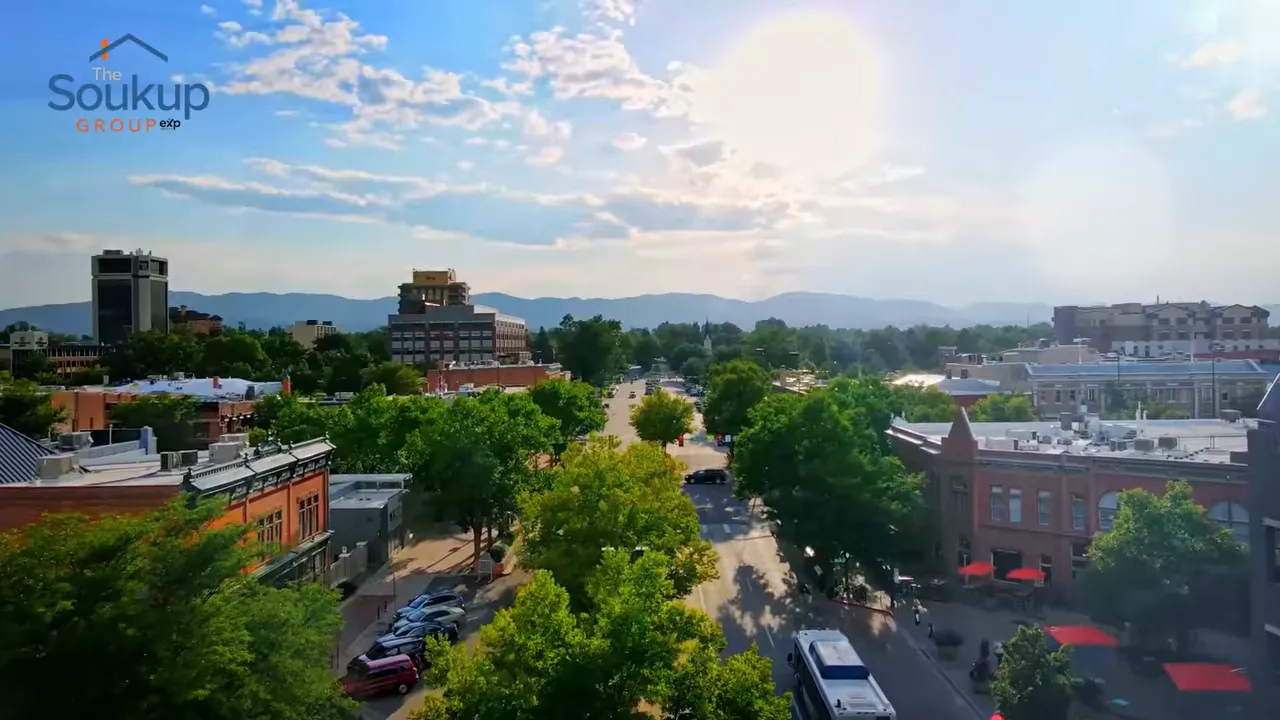
The streets are in good shape. The medians are trimmed. Curbs and gutters are clean. Downtown is cared for at a level that a lot of cities simply do not match. In Old Town during the summer, the cobblestone areas are power washed regularly. Even the alleyways feel maintained and inviting rather than forgotten.
That does not happen by accident. Fort Collins puts real effort and real money back into city services. Even when revenue gets tighter, the city has shown that keeping Fort Collins safe, clean, and functional is a top priority.
That matters more than people think.
When you are paying these kinds of prices, you want to feel like you live in a place that is run well. Living in Fort Collins, CO tends to feel that way.
Why People Choose Fort Collins, CO
Parks, open space, and outdoor lifestyle
This is probably the biggest reason people stay.
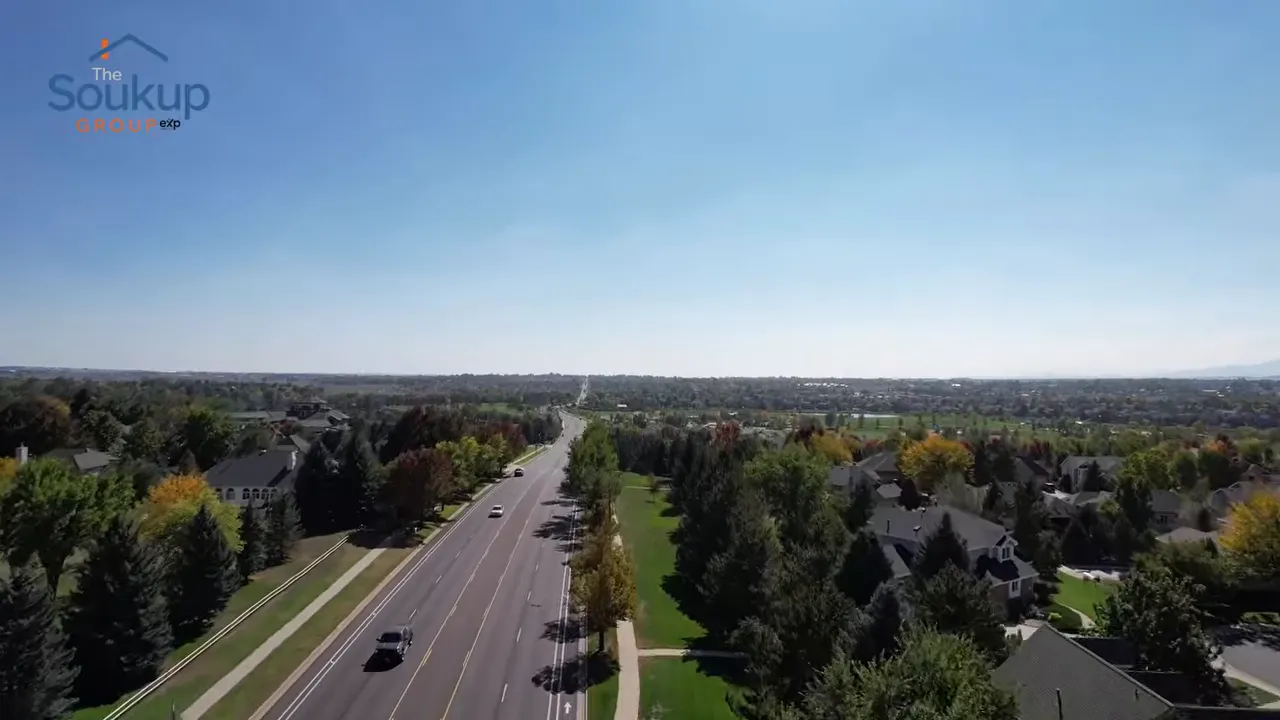
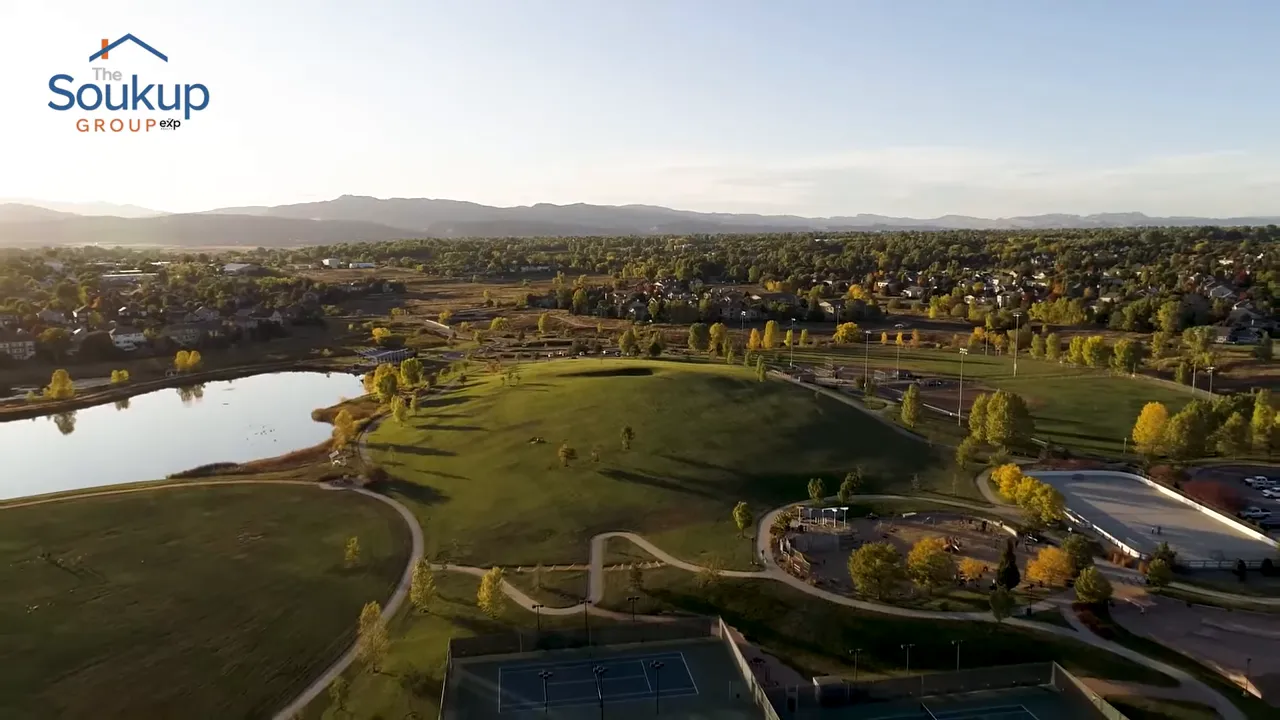
Fort Collins has nearly 1,000 acres of parks, and the city continues investing in keeping those parks updated rather than letting them age out. That says a lot about local priorities.
Then you zoom out to Larimer County and the broader region, and the picture gets even better. There are over 50,000 acres of open space, natural areas, and conserved land in the area. Northern Colorado made a deliberate choice years ago to protect this land, and that decision still pays off every day.
The result is that Fort Collins does not feel like a concrete jungle. It feels breathable. There is room here. There is green space here. There are natural areas built into everyday life.
And then there is the trail network. Fort Collins has about 45 miles of paved trails already, with more planned over time. It is one of the reasons the city has such a strong biking culture. You can get around large parts of town without constantly fighting traffic on busy roads.
Add in Horsetooth Reservoir, the Cache la Poudre River, nearby mountain access, and proximity to Rocky Mountain National Park, and you start to understand the draw. People are not moving here for long gray winters, sticky humidity, or a stay-inside lifestyle. They are moving here because they want sunlight, movement, and a place that makes it easier to be outside.
Fort Collins gets around 300 days of sun in a dry climate, with four distinct seasons. For a lot of people, that alone changes quality of life in a big way.
Strong schools and an educational backbone
Another major factor in Living in Fort Collins, CO is education.
Colorado State University is the anchor. It is a tier-one research institution with around 35,000 students and thousands of employees, and it brings energy, opportunity, and stability to the city.
But it does not stop with CSU. The Poudre School District, along with nearby districts in Northern Colorado, gives families solid public school options with strong arts, music, physical education, and long-tenured teachers.
There is also a practical education pathway here. Families can move from preschool all the way through high school, then into CSU or Front Range Community College without leaving the area.
That educational continuity matters to families who are thinking long term, not just about the next year or two.
Safety and city services
Safety is one of those things that can be hard to quantify until you have experienced both ends of the spectrum.
Fort Collins still feels like a place where people can go out for a walk, spend time in the park, and generally move around town without carrying constant tension. That does not mean crime is nonexistent or that common sense goes out the window. Doors still need to be locked. But compared with many cities, the overall feel is noticeably more secure.
Even downtown, where you may encounter some homelessness, the scale tends to be smaller than in many larger metros. The city also has systems like Outreach Fort Collins, which helps address issues in a more structured and practical way before everything has to escalate to a police response.
And when police, fire, or emergency response is needed, the city services here tend to respond quickly. That reliability is part of the value equation. It is not flashy, but it is the kind of thing that deeply affects your day-to-day peace of mind.
You also benefit from the whole Northern Colorado region
One mistake people make is evaluating Fort Collins like it exists in a bubble. It does not.
Living in Fort Collins, CO also means benefiting from what is happening in the broader Northern Colorado region, including Windsor, Timnath, Loveland, Johnstown, Severance, and Berthoud. As these communities grow, more amenities come with them.
That might mean shopping, dining, entertainment, or regional services that make life easier even if they are technically outside Fort Collins city limits.
The Northern Colorado Regional Airport is another example. Improvements there could eventually bring more consistent commercial airline service to the region. And even right now, Denver International Airport is roughly an hour south, giving you access to major travel without having to live in Denver itself.

Downsides of Living in Fort Collins, CO
Fort Collins has a lot going for it, but it is not all roses. If you are going to spend this much on housing, you need to be clear-eyed about what you are not getting.
The local job market is limited
This is probably the biggest weakness.
Yes, Fort Collins has quality employers. Companies and institutions like Woodward, Broadcom, HP, Intel, CSU, Advanced Energy, OtterBox, Governor, and Water Pik all matter. But Fort Collins is still a city of roughly 180,000 people. There are only so many local positions to go around.
That is one reason remote work has become such a big part of the local equation. Around 20% of the workforce works remotely, which helps explain how more households are able to afford Living in Fort Collins, CO. Many people are earning salaries tied to larger markets while enjoying life here.
If you need a high-paying local job with lots of options and mobility, Fort Collins can be a tougher fit.
You are not getting big-city amenities
Fort Collins punches above its weight in arts, culture, and music. That part is real.
The Bohemian Foundation has poured support into the local music scene. Venues like Washington’s, The Armory, The Aggie, and the Mishawaka give the city a stronger cultural identity than many places its size. CSU athletics also add some energy.

But if what you want is major league sports, nonstop nightlife, or the constant churn of big-city entertainment, that is not Fort Collins.
Restaurants are good here. In fact, the Northern Colorado food scene is stronger than a lot of outsiders expect. You have dependable local staples, chains, and solid mom-and-pop spots. But you are not stepping out your back door into an endless stream of new late-night options.
And yes, reservations matter more than they used to. Growth has changed that.
Public transportation is not a strength
There are people who use public transportation in Fort Collins, but no one should move here assuming transit is going to be the backbone of daily life.
The city is still working to improve routes and optimize service, and there is hope around future regional rail connections. But right now, the reality is simple: most people either bike or drive.
If you rely heavily on buses or rail in your current city, this is one area where Living in Fort Collins, CO may feel like a downgrade.
Walkability is limited outside a few areas
This is another important one.
Despite conversations around 15-minute communities, Fort Collins is still largely not a highly walkable city. If your dream is walking out the front door to coffee shops, restaurants, and errands on foot every day, you are mostly talking about downtown Fort Collins or a few specific nearby pockets.
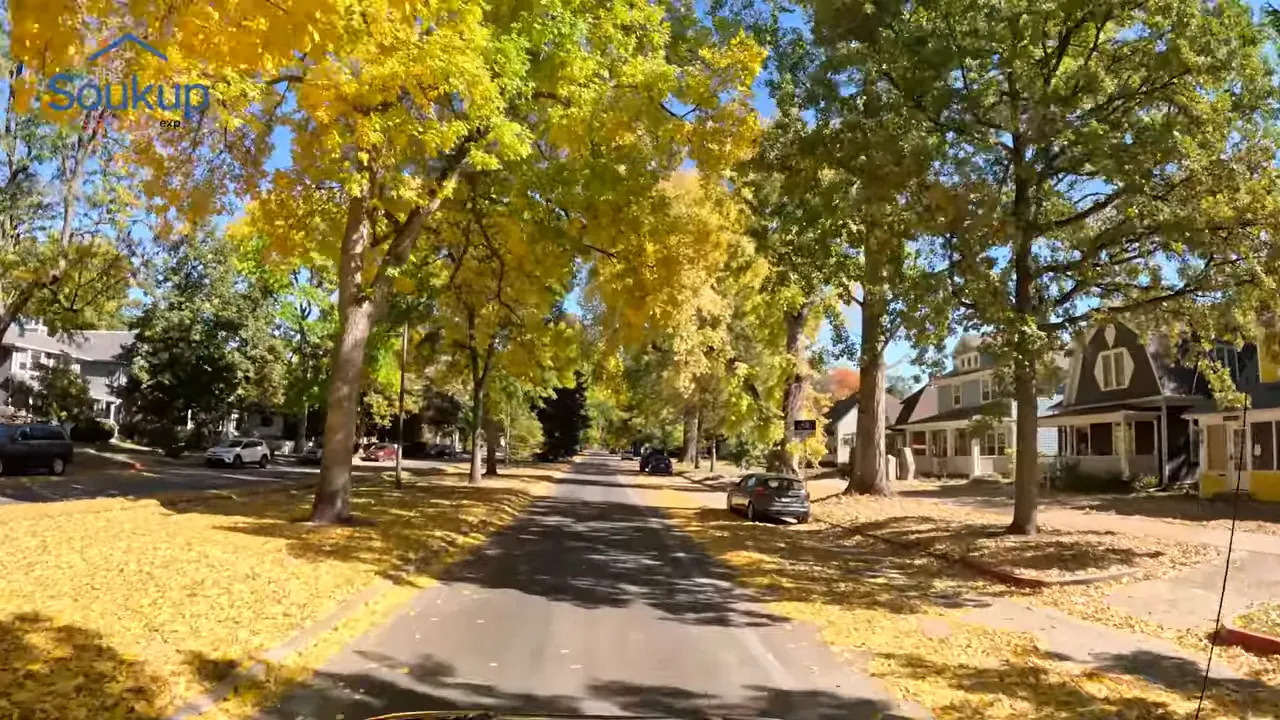
Outside those areas, life tends to be suburban. That means more space, more parks, and often larger homes and lots, but it also means driving for many everyday needs.
So the tradeoff is pretty straightforward. You are often choosing lifestyle and space over convenience and urban walkability.
Who Living in Fort Collins, CO Is Best For
Fort Collins is absolutely worth it for the right person.
Based on who tends to thrive here, it is especially strong for:
- Remote workers who can earn income from a larger market and choose where they live
- Retirees who want lifestyle, sunshine, and access to outdoor recreation
- Families who prioritize safety, schools, parks, and a well-maintained environment
- People focused on health and fitness who want to be in a place where being active is part of the local culture
- People leaving larger metros because they are tired of traffic, intensity, and the constant rush
That last group is a big one. A lot of people are not moving here because Fort Collins has more convenience than a big city. They are moving here because it has a better rhythm.
People work hard here, but they also bike, run, hike, walk, and spend time outside. That changes the feel of a community. You can sense it.
Who Should Think Twice
There are also people who should probably think hard before making the move.
Fort Collins may not be the right fit if:
- You need a high-paying local job and want lots of employer options
- You want big-city nightlife and energy
- You depend on public transportation for everyday life
Fort Collins tends to wind down earlier than many people expect. On a weekday, much of town is quiet by 9:00 p.m. If your ideal lifestyle includes spontaneous late-night food runs, urban buzz, and always-on entertainment, you will likely feel limited here.
And while some households can make one-car living work, most people are still going to want at least one vehicle.
Final Thoughts
Yes, absolutely, for the right person.
Living in Fort Collins, CO is not about getting the cheapest housing or the most urban convenience. It is about paying for a certain kind of quality of life.
You are paying for:
- Cleanliness
- Strong public schools
- Parks and open space
- Trails and bike infrastructure
- Safety and responsive services
- Sunshine and access to the outdoors
- A more laid-back, healthy, family-friendly pace
You are not paying for:
- Endless local job options
- Major metropolitan amenities
- Strong transit infrastructure
- Broad walkability across the city
So the answer comes down to priorities.
If you value space, maintenance, schools, trails, safety, and outdoor living, Living in Fort Collins, CO can still be a great value even at today’s prices.
If you are chasing nightlife, dense urban convenience, or a giant local job market, there are probably better fits.
Fort Collins is not trying to be Denver, Dallas, Austin, or Boulder. It is trying to be Fort Collins. For a lot of people, that is exactly the point.
FAQs About Living in Fort Collins, CO
Is Living in Fort Collins, CO expensive?
Yes. Housing is the biggest factor. Single-family homes are around $625,000 on average, condos and townhomes are closer to $400,000, and rents are well above what many people expect for a mid-sized city.
What makes Living in Fort Collins, CO worth the cost?
The biggest value points are the overall quality of life: clean neighborhoods, strong schools, parks, open space, trail systems, safety, and easy access to outdoor recreation in a sunny climate.
Is Fort Collins good for families?
Yes. For many families, this is one of the strongest reasons to move here. The area offers solid public schools, a safe feel, lots of parks, and a lifestyle that makes it easy to get kids outside and active.
Can you live in Fort Collins without a car?
It is possible in certain situations, especially if you live near downtown or bike regularly, but for most households a car is still very helpful. Public transportation is not one of Fort Collins’ strongest features.
Is Fort Collins a good place for remote workers?
Yes. Remote workers are one of the groups most likely to thrive here because they can earn income from other markets while enjoying the lifestyle benefits of Living in Fort Collins, CO.
Does Fort Collins have big-city nightlife?
No, not really. The city has a solid local food, music, and culture scene, but it is not a late-night, high-energy metro. Many places wind down fairly early during the week.
Who should probably not move to Fort Collins?
If you need a high-paying local job with lots of options, rely heavily on transit, or want constant nightlife and dense urban amenities, Fort Collins may not be the right fit.