10 Things NOBODY Tells You Before Moving to Fort Collins, Colorado
Moving to Fort Collins, Colorado, or considering a home in Northern Colorado? Before making the move, there are a few things you should understand about what life here is really like. Imagine wanting to grab dinner at 9:00 PM on a Wednesday, only to discover that most restaurants and shops are already closed. If that sounds frustrating, it's just one of the lifestyle adjustments worth considering before relocating.
After six years of running the Living in Fort Collins YouTube channel and helping people buy homes in the area, I've learned that loving where you live starts with knowing what to expect. Fort Collins has plenty to offer, but it's not without its challenges. I'd rather help you understand the trade-offs now than have you discover them after moving here.
In this guide, we're counting down 10 things to consider before moving to Fort Collins or Northern Colorado, from the local lifestyle and weather to housing affordability and the costs of homeownership. We'll also look at nearby alternatives like Loveland, Windsor, Timnath, and Wellington if you're looking for more affordable options without moving too far from the area.
Whether you're planning to relocate in the next three months or three years, understanding these factors can help you decide if Northern Colorado is the right place for you. Let's take an honest look at what you should know before making your move.
Table of Contents
- Breaking In Socially Takes Intentional Effort
- The Town Goes to Bed Early
- Denver International Airport Is a Drive Away
- Trains Run Through Town and Traffic Is Increasing
- Wind, Dry Air, and Intense Sun
- Adjusting to the Altitude
- Radon in Colorado Homes
- Hail and Rising Home Insurance Cost
- A Slower Pace of Life
- The Affordability Gap Between Income and Home Prices
- Which Northern Colorado City Is Right for You?
- Conclusion
Breaking In Socially Takes Intentional Effort
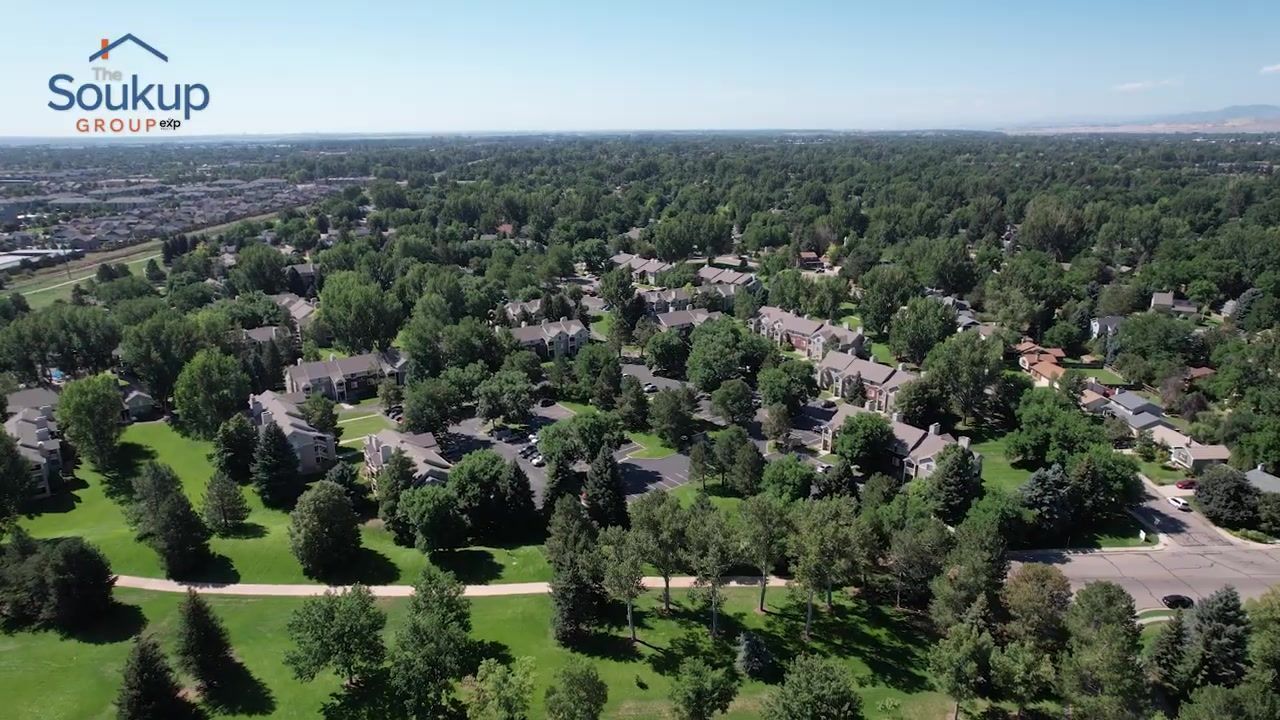
You're going to hear some newcomers say that Fort Collins can feel like its own bubble. Making real friends can take longer than they expected. One longtime resident online called it the least friendliest place they've ever lived. I don't agree with that, but I can hear the sentiment that it is difficult to break into social groups unless you are extremely intentional about it.
Why does that happen? A lot of people who live here have lived here a long time and already have their crew. College friends from CSU, family nearby, neighbors they've had for twenty years. If you're going to be waiting for people to knock on your door with a casserole, it's going to be a slow start. Once you're in, you're in. People here are loyal and the community is tight-knit. Once you find that friend group, once you break in, you're good to go.
A pro tip I've recommended to people is say yes to everything for the first ninety days. Rec leagues, run clubs, church or community groups, neighborhood events, kids' activities. This is where you're going to break in, but it has to be extremely intentional. I had a client who came from the Dallas area, and I swear that dude was on golf leagues, bowling leagues, basketball, did everything. He's probably one of the more well-connected people here now. He actually started a business here because he felt so well connected that he could do what he wanted to do.
The Town Goes to Bed Early
If you're going to walk around at 9 PM on a Wednesday night, most if not all of the shops and restaurants are going to be shut down already. This is not a late-night city. Other than Thursday night, Friday, Saturday night, this is no 2 AM culture. You're going to have earlier dinners. 9 PM dinners don't necessarily exist unless they're closing down behind you.
Yes, you are going to have some limited late-night Grubhub options that I do take care of myself. But if you're coming from a big city that never sleeps, this one definitely takes some adjusting. You might be moving here kind of for that reason, like a slowdown pace. But on the flip side, I'm an early morning guy. I've learned to be it. I love it. You can have sunrise hikes. Coffee shops are going to be packed at 7:00 AM. One actually opens at 4:30 AM. People are outside living their life before work.
Learn which Old Town spots stay open till 9 PM on a Wednesday evening or what opportunities you might have if that's your jam. But otherwise, just expect that a lot of places are going to be shut down on Wednesdays at 9 o'clock. If you want some of my go-to late-night spots, which I don't have a lot of them, reach out. We're happy to send you a few over that we enjoy.
Denver International Airport Is a Drive Away
This one took some adjusting in my own personal life, especially when my wife was a professional athlete competing and needing to go down to DIA frequently. The airport is not close. Fort Collins, your main airport is going to be Denver International Airport. It's a fantastic airport. I think it's one of the fifth busiest in the world. But CSU's own guidance puts the shuttle ride from DIA at about 1.5 hours to 2 hours, just depending on what extra pickups you might have.
You can absolutely find other shuttle rides to get you down there quicker for about fifty-five dollars per person. For me, drive time from door to door is going to be about fifty-five to sixty minutes. The question you've got to ask yourself is, can you handle it? Do you have to fly out of Denver every week, twice a month? How often are you going to be going down to DIA?
If you are, and you still decide Fort Collins is going to be the place for you, you're going to want to look at Fort Collins, Loveland, Windsor, a little bit closer to DIA and still get that Fort Collins feel. Proximity matters if you're a frequent flyer.
Trains Run Through Town and Traffic Is Increasing
The trains are going to run freight through the middle of town, including down Mason Street through Old Town. You're going to see anywhere between nine to thirteen trains a day depending on where you're at. Not all on one track by any means, but going from east to west, west to east, there will be some potential train issues. The city's tried for years to create a quiet zone but was rejected by the Federal Railroad Administration over safety concerns.
You could hear a train depending on how close you are to those tracks, and getting stuck at a crossing when you're running late is no fun. I've always lived east of Mason and on the south side of town, so I've truly never had to deal with the trains. But I could see living on the west side, north side, that this could be a relative issue. I'm about a mile or so away from the tracks. At early mornings, 4:00 AM, when no one else is awake, you can hear a slight sound. Otherwise, throughout the day, daily hubbub noise, you're just not really going to hear that train or be affected by it majority of the time.
Traffic is a perspective issue. Residents say that traffic has gotten noticeably worse over the years for a city of our size. You're mainly going to see traffic on College Avenue, Harmony, I-25 at the usual suspect rush hour time periods. But the city kind of sprawls, so you are going to be commuting daily, whether that be through a car, public transportation, which is available, or on the bike system.
Perspective is everything. If you're coming from Denver, Dallas, or LA, you're going to laugh at what our consideration of traffic is. But if you're a local resident here for twenty, thirty years, yes, of course, traffic has gotten a lot worse. Most of the time you can get across town in fifteen to twenty minutes depending on where you're at. I grew up in the middle of town, so everything was five to ten minutes. Anything more than a twenty-minute drive was a significant drive. So perspective is everything, but understand that.
Wind, Dry Air, and Intense Sun
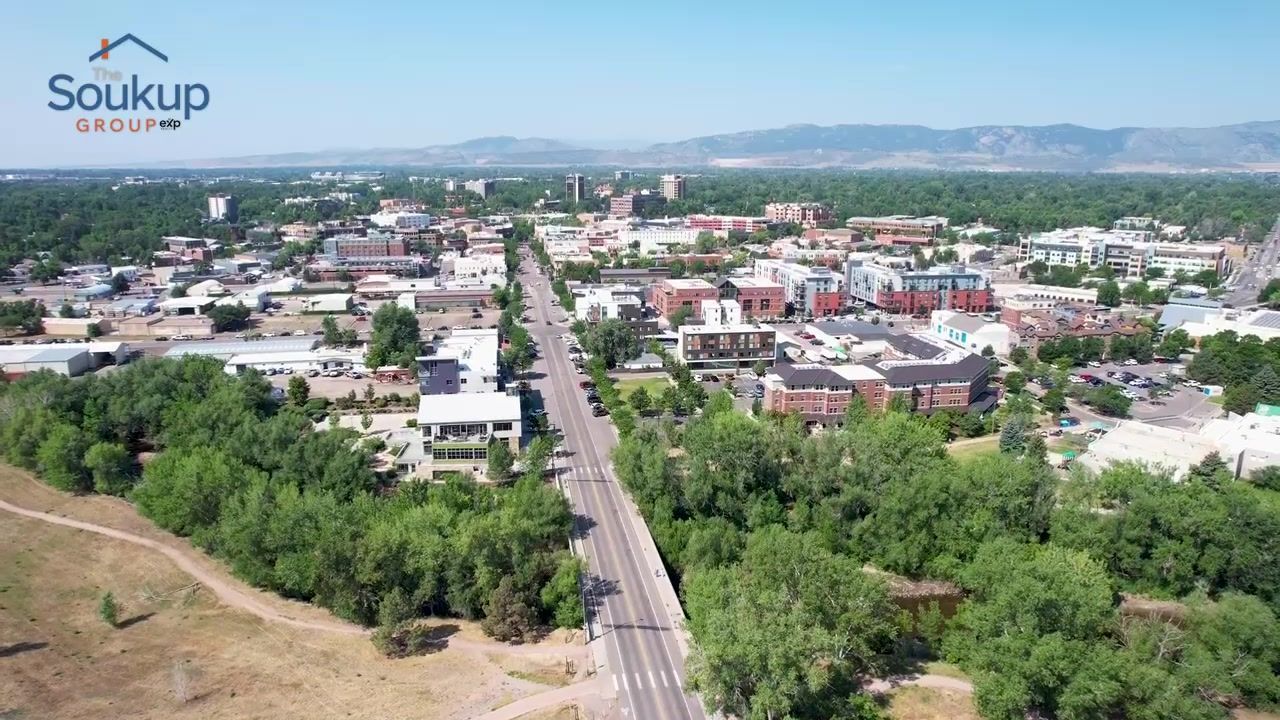
Apparently Fort Collins actually averages 12.8 miles per hour of wind, which is tied with Wellington for the windiest in Colorado per city data figures. That's kind of news to me. I hate wind. There are days where yes, we have wind, we'll have a slight breeze here and there, but it never impacts me to the extent that I'm like, I gotta get out of here.
We've got a cover on our patio table. We've got a trampoline. We've never lost any cushions from our patio furniture. Our trampoline has never taken flight. So we've not had those maybe super, super intense winds, although we absolutely can have some intense winds, especially during the springtime. I would say just be prepared for it. There is definitely spring and fall/winter winds.
The dry air. I never put on lotion. I believe I still have soft, smooth skin. My wife, she lives by lotion. She doesn't like it when her elbows, knees, arms get ashy. My kids have told me that I need to wear more lotion because I'm going to start looking older sooner, and I've definitely got the wrinkles to prove it. But it is a dry air here. If you do have an issue with that, hand creams, lotion, you're going to want to wear sunscreen, especially during the summer.
I wear a hat almost all of the time because the UV rays, the sun is definitely more intense at elevation. You're going to want to wear your sunscreen, wear your glasses year round. When you're walking in the winter, you might not think you need glasses, but the reflection from the snow can be intense.
If wind drives you crazy or you burn easily, this area will test you, especially spring and summer. But it's also why the air feels so clean, skies are so blue, the snow melts off in a day or two, there's no humidity, no sticky summers. You're not having to change your shirt twice a day unless you're me because I do sweat like crazy. I wear black all the time because otherwise you'd see my sweat marks and it's annoying. But no humidity, your jeans are going to be just fine.
Pro tips: get a humidifier in the bedroom, wear sunscreen every day, have sunscreen in the car, have a hat in the car. You can anchor things down on the patio. I don't necessarily need to do that, but definitely we do anchor our trampoline down. Just take some precautionary steps if those are going to impact you or you are concerned about dealing with it.
Adjusting to the Altitude
Fort Collins sits around 5,000 feet. You're not in the high mountains by any means, but you're definitely not at sea level either. People do get altitude sickness. They get headaches, especially if they're not staying hydrated. We even had some clients who, even after living here for a year, would only buy a ranch-style house because they didn't want to go up and down the stairs because the altitude was just still difficult for them to get accustomed to.
It can definitely take time for you to get accustomed to it, kind of build that tolerance. For me, when I was growing up, we actually always loved it. We always thought that it was an advantage for us because we'd go play soccer, traveling soccer tournaments, and we'd go to Arizona or California and be like, oh, we're going to be so good. We're going to have such good cardio. We're going to feel like we can breathe, it's going to be amazing. I never felt the change per se, but it's definitely something that is talked about.
For me, our family, we've got family that live in California, come out and visit us at least a couple of times a year. Sometimes they forget to hydrate. That's probably the biggest thing you could do is just hydrate, hydrate, hydrate. Get off those headaches, get acclimated to it quickly. Sometimes it might take a day or two, but overall we are at a higher altitude, which does impact that sun exposure and also how much air and breath you feel you have.
Radon in Colorado Homes
Radon is a naturally occurring radioactive gas that is carcinogenic that comes up from the ground. You can't see it, smell it, or taste it. In fact, I'm looking right now at our radon system in my dungeon of a studio. We've lived here for now ten years. It's something to where you should test your house every couple of years if you've got a radon system. There's a manometer that tells you if your system's working, because we have had clients where we've sold houses that do have a radon system, but the fan wasn't working and you couldn't hear it. It didn't make sense. They didn't have a manometer. So there's ways to kind of track it, but radon is across Colorado.
I will say it's a concern. You can go down a deep rabbit hole, but the way that we handle it is we install a radon system. $1,500, $2,000, $2,500 depending on kind of how intensive it is. If the picocuries per liter are above 4.0, that would be what the EPA would call high, and when you'd want to install a radon system. We always test for it when we're buying houses. It's a really simple test, $150, and if it comes back high, we install a radon system. It kicks it out, pumps out the gases out the attic, and you don't have to worry about it.
Biggest concerns if you're living in the basement and you haven't tested for radon, I would recommend doing that. Otherwise, it's very common. Most, if not all, houses now, actually all new construction in Northern Colorado, really across Colorado, are being built with a passive radon system. Saying, hey, we know it's here, we're not going to test for it, you can test for it. If you need it, you can add a fan for $500, $700 and it will have the system already in play and you can kick it out the system.
This is one of those things that we talk about on that intro Zoom call. If you have specific concerns, what it looks like, the process, all that kind of stuff, those are what we'd be happy to answer for you on that intro Zoom call.
Hail and Rising Home Insurance Cost
The Front Range is going to average several hailstorms a year. Your roofs, cars, gutters and siding, windows, screens are going to be impacted. Make sure that you're covered on insurance. Hail is going to be one of the number one drivers of rising home insurance premiums in Colorado. In fact, a big Denver area storm in May of 2024 caused more than two billion dollars in damages.
This is something that you need to budget for. Insurance is going to be a bigger line item than it used to be. I would still suggest though, in Fort Collins, Northern Colorado area, if you're not kind of in a fire-rated area along the western side of town or in the mountains, you should still expect about 0.5 to 0.6% of your home value in annual insurance premiums. If you've got a newer Class 4 roof shingle, that'll actually decrease your premium by about 25%.
These are all things that we can take you through, but you will see a lot of roofs getting replaced. One thing on your insurance, whether it's a flat deductible, a percentage deductible, and whether that percentage is 1% or 2%, these are things that we're going to want to discuss with you because insurance quotes range all over the place of what are you covered for, what's your deductible, what type of wind and hail coverage do you have. These are things that you can kind of get a little bit like either caught blindsided by it if you get overcovered, or you could also be undercovered and underinsured and it could come and catch you at a bad time.
We had a friend who had the roof replaced. It got down to the point where they were going to be doing a deductible and it turned out that it was going to cost them 2% of their home value and they're like, well, why don't we just pay for this out of pocket.
A Slower Pace of Life
Fort Collins is not a high-energy, go, go, go framework. The hustle and grind of sixty to eighty hours a week is just few and far between. People are definitely going to be working hard here, but they leave work at like 4 o'clock to go catch a beer with a friend before going back home or get off work early on a Friday to go play some golf. It seems like, especially on the streets, nobody's in a rush and people drive extremely slow at times. You can get those speedsters as well. But the reality is, yeah, it's just a slower-paced life here.
If you thrive on big city energy and intensity, you might feel restless coming here. But a lot of people actually move to the area for that slower-paced life. They want to go float the river, play at the park with their kids, take a trail ride after school or after work. Sometimes this impacts me because I am a major high achiever, want to get after it, work those sixty-eight-hour weeks for ten years. Sometimes when I work with others, I'm like, let's go, let's get this done.
But the reality is you just got to find your people. Run clubs, business groups. There are plenty of entrepreneurs here. They're just not going to be wearing suit and tie most of the time. So you just got to understand what you're getting into and does that fit your lifestyle.
The Affordability Gap Between Income and Home Prices
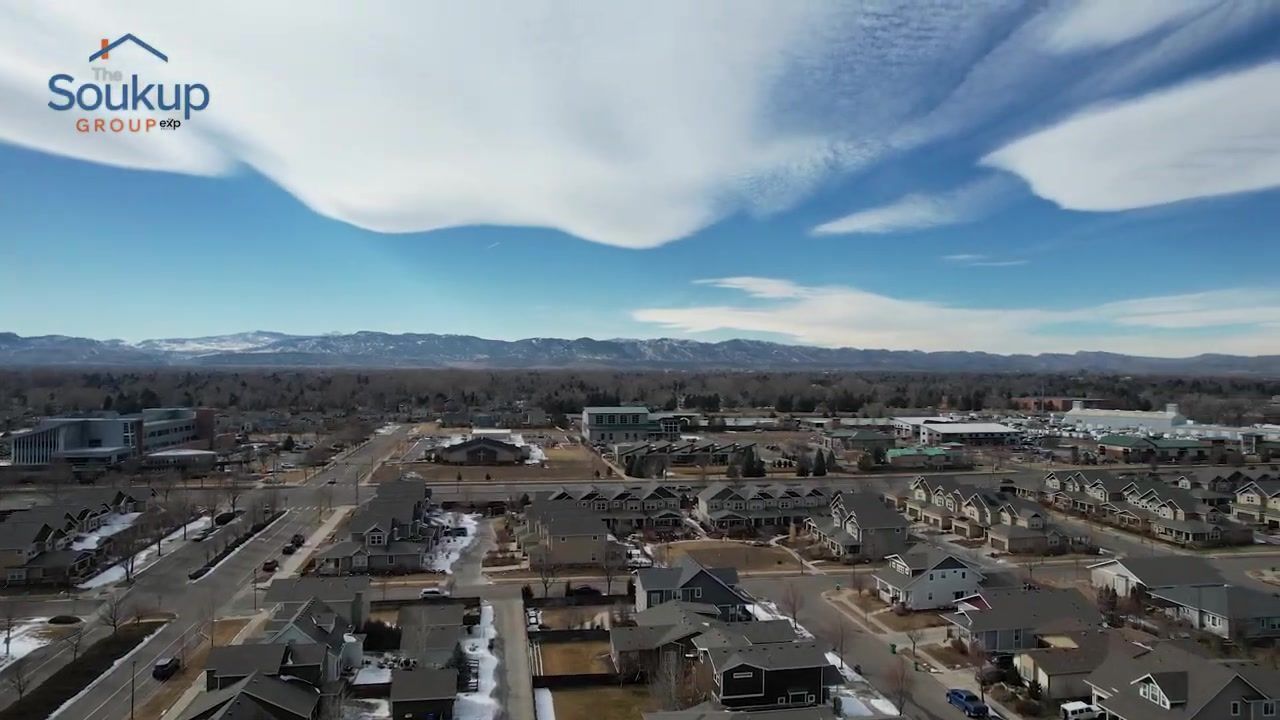
This is the big one. I'm going to be real honest with you here because this is the one that really decides whether a move to Fort Collins is going to work or not. It's not the wind, it's not the trains, it's not the altitude. It is the affordability gap.
Let's just be real here. You're not going to move to Fort Collins or Northern Colorado because it's the cheapest place to live. Redfin suggests the salary needed to afford a typical home here is $126,000 a year. The area median income is sitting closer to $102,000. Those numbers, data, always stats kind of fluctuate. But essentially what it's telling you is we need to make more money than most people are making here to afford a house. That is the affordability gap.
Then you add in property taxes that are increasing, metro districts if you're looking at newer developments, HOA dues, the insurance premium we just talked about that's increasing. Childcare is real here, too. There's childcare from anywhere between $500 a month depending on how many hours and days to $2,000+ a month. This is really where you need a real plan. You don't want to be house rich and cash poor. That's just no way to live a fun life.
How have people made it work here? There's a lot of remote and hybrid workers that are bringing in large incomes from bigger markets. Some people look to buy in Loveland, Windsor, Timnath, or Wellington for a little bit more affordability, more value. They look at smaller homes or townhomes first and then move up a few years later into a house if they've got some equity built up and principal paydown. Right now specifically, a lot of sellers are offering concessions to help buyers get into the home at a lower interest rate.
Check out my weekly market update, my newsletter, sign up for that. It talks to you about what the market is doing. It's a great resource. It also tells you about things that are happening in the area. City Council, things to do, blog posts. It's a really pretty quick read once a week. But the affordability is something serious and something that you've got to make a decent income to enjoy the lifestyle that is Fort Collins in Northern Colorado.
Which Northern Colorado City Is Right for You?
Every town is going to have trade-offs. The people who love it here are the ones who know what those trade-offs are going in. If you got through all ten of those and you're still nodding your head like, hey, this is okay, I can deal with these, Fort Collins, Northern Colorado just might be the place for you.
Choose Fort Collins if you want the full experience: Old Town, the rec leagues, the run clubs, the bike system, the early morning culture, the slower pace of life. You're willing to pay a premium for that lifestyle, and you're ready to be intentional about breaking in socially. You can handle the trains, the wind, the dry air, the altitude, the radon, the hail, the insurance costs, and the affordability gap. You're bringing in a larger income from a bigger market, or you're looking at smaller homes or townhomes first and then moving up.
Choose Loveland, Windsor, Timnath, or Wellington if you want more affordability and more value. You're still in Northern Colorado, still close to the outdoor lifestyle, the clean air, the blue skies, the trails. But you're going to get more house for your dollar. If you're a frequent flyer, Loveland and Windsor are closer to Denver International Airport. If you can handle the wind, Wellington gives you good value. Right now, a lot of sellers are offering concessions to help buyers get into the home at a lower interest rate.
The affordability gap is the one that really decides whether a move to Fort Collins or Northern Colorado is going to work or not. It's not the wind, it's not the trains, it's not the altitude. It is the affordability gap. You need a real plan. You don't want to be house rich and cash poor. That's just no way to live a fun life.
Conclusion
There you have it. Ten things you need to be able to handle before you move to Fort Collins or Northern Colorado. Some are small. A couple are big. The affordability gap is the one I hear more than any other, and it's the one that actually decides whether this move works for most people. But if you got through all ten of those and you're still nodding your head like, hey, this is okay, I can deal with these, Fort Collins, Northern Colorado just might be the place for you.
If that's the case, give my team and me a Ccall/text me at 970-893-3533 or book a FREE consultation here. We'll walk you through this and more and what your specific situation is and help you find a landing spot here in Northern Colorado that you're going to love living. Whether you're three months out or three years out, it would be an honor to be an asset on your team.
FAQ
Is it hard to make friends in Fort Collins?
It can be. Fort Collins can feel like its own bubble. A lot of people who live here have lived here a long time and already have their crew. Making real friends can take longer than you expected. You have to be extremely intentional about it. Say yes to everything for the first ninety days: rec leagues, run clubs, church or community groups, neighborhood events, kids' activities. Once you're in, you're in.
How far is Denver International Airport from Fort Collins?
CSU's own guidance puts the shuttle ride from DIA at about 1.5 hours to 2 hours. You can find other shuttle rides to get you down there quicker for about fifty-five dollars per person. For me, drive time from door to door is about fifty-five to sixty minutes. If you have to fly out of Denver frequently, you need to factor that in.
Does Fort Collins have a lot of train noise?
Trains run freight through the middle of town, including down Mason Street through Old Town. You're going to see anywhere between nine to thirteen trains a day. You could hear a train depending on how close you are to those tracks. I've always lived east of Mason and on the south side of town, so I've truly never had to deal with the trains. I'm about a mile or so away from the tracks. At early mornings, 4 AM, when no one else is awake, you can hear a slight sound. Otherwise, throughout the day, you're just not really going to hear that train or be affected by it majority of the time.
What is the cost of living in Fort Collins?
The salary needed to afford a typical home here is $126,000 a year. The area median income is sitting closer to $102,000. We need to make more money than most people are making here to afford a house. Then you add in property taxes that are increasing, metro districts if you're looking at newer developments, HOA dues, insurance premiums that are increasing. Childcare is real here, too, from anywhere between $500 a month to $2,000+ a month. You need a real plan. You don't want to be house rich and cash poor.
Do I need to worry about radon in Fort Collins?
Yes. Radon is a naturally occurring radioactive gas that is carcinogenic that comes up from the ground. You should test your house every couple of years if you've got a radon system. If the picocuries per liter are above 4.0, that would be what the EPA would call high, and when you'd want to install a radon system. We always test for it when we're buying houses. It's a really simple test, $150, and if it comes back high, we install a radon system. $1,500, $2,000, $2,500 depending on how intensive it is.
How much is home insurance in Fort Collins?
The Front Range is going to average several hailstorms a year. Hail is one of the number one drivers of rising home insurance premiums in Colorado. In Fort Collins, Northern Colorado area, if you're not in a fire-rated area along the western side of town or in the mountains, you should still expect about 0.5 to 0.6% of your home value in annual insurance premiums. If you've got a newer Class 4 roof shingle, that'll actually decrease your premium by about 25%.
Living in fort collins x The Soukup Group
Expert market analysis and Northern Colorado lifestyle insights from the region's top 1% authority.

Stay ahead of trends
FORT COLLINS AND BEYOND Market UPDATES.
Go beyond the headlines with our deep-dive analysis into local real estate trends and economic shifts. We translate complex market data into actionable advice for homeowners and investors.