Moving to Fort Collins in 2027: 7 Steps to a Smooth Relocation
There's a moment on the drive north from Denver when the foothills sharpen into view and the air smells different, cleaner, lighter, like pine and possibility. That's when most people know. Fort Collins isn't just another mountain town with good coffee and trails. It's big enough to have Costco and CSU basketball, small enough that you'll run into your lender at the farmers market six months after closing. But here's what I've learned after helping hundreds of families relocate to Northern Colorado: the difference between people who love it here a year later and people who wonder what all the hype was about almost never has anything to do with the house. It has everything to do with the order they did things in.
If you're moving to Fort Collins or anywhere in Northern Colorado in 2027, this is the playbook. I'm Patrick Soukup, and my team and I at the Soukup Group specialize in relocation. We've worked with over 300 buyers who bought here and close to 1,000 who explored the area in the last five or six years. Some came from Houston, Chicago, St. Louis, Los Angeles, Omaha. About 80% of the people who take an exploration trip end up committing to the area. The other 20% decide it's not for them, and that's okay too. What you're about to read is the seven-step process that separates a smooth move from a stressful one, plus a 2027 timeline so you know what to do this month and moving forward.
This isn't a generic relocation guide. It's the exact order that works when you're choosing a region, not just a zip code. Northern Colorado is Weld County and Larimer County: Fort Collins, Loveland, Windsor, Timnath, Wellington, Berthoud, Severance, Johnstown, Greeley. Each town has a different vibe, a different commute, a different trade-off. We'll cover all of that. Stick around for step seven, it's the one nobody talks about, and it's the one that decides whether you actually love it here.
Table of Contents
- Step 1: Make the Decision, Is Fort Collins Right for You?
- Step 2: Hop on an Intro Zoom Call and Build a Plan
- Step 3: Pick a Life, Not Just a House
- Step 4: Get Your Money Right Locally
- Step 5: Rent First or Buy? Four Ways to Land Here
- Step 6: Finding and Winning the Right Home
- Step 7: Plug In to Love It, Your First 90 Days
- Which Northern Colorado Town Is Right for You?
- Your 2027 Planning Timeline
- Conclusion: Start Your Fort Collins Move the Right Way
Step 1: Make the Decision, Is Fort Collins Right for You?
This sounds obvious, but you need to commit to Fort Collins or the surrounding areas as your future home before you start looking at houses. Northern Colorado is a region, not a single zip code. You're choosing Weld County, Larimer County, Fort Collins, Loveland, Windsor, Timnath, Wellington, Berthoud, Severance, Johnstown, Greeley. You're choosing a lifestyle vibe and a set of trade-offs.
Here's what you need to overcome: we have wind in the spring. We have hail risk. We have winters with snow. Yes, we have 300-plus days of sun, but we're at 5,000 feet elevation and the weather is real. If you're coming from Florida, Texas, California, or Arizona, your first winter is probably going to scare you. The reality is winters here are relatively mild, but we can get hit with cold snaps and snow. You need to be okay with that.
Understand what's pulling you here. The outdoors. A job transfer. Family. Schools. A slower pace of life. Colorado State University. Woodward Governor. OtterBox. Whatever it is, that needs to be an anchor. And honestly, if you're in a partnership or you have a family, everybody needs to be on board or at least 80% on board. I've seen examples where one partner was for it and the other was against it, and they lived here for a year and moved back home. Be okay with what you're leaving behind. We had one couple move here from Houston with their entire family back there, and they had to educate their family that you can still fly into DIA, travel an hour north to Fort Collins, and visit whenever.
Try to figure out your realistic window. Is it spring 2027, summer, fall? What are you trying to do? Make a plan. A lot of people who come out for an exploration trip know on trip one that this is the place. We've had clients who were so confirmed in their decision that we submitted an offer on that initial trip, got the house, and closed 45 days later. About 80% of exploration trips result in a commitment to the area. Twenty percent decide it's not for them for one reason or another. Now is a great time to come explore, especially if you're concerned about winter weather. Can you survive that?
Step 2: Hop on an Intro Zoom Call and Build a Plan
This is where it goes from a dream to a plan. On the call, we start to explore who you are: work, family, hobbies, your budget range, your timeline. We start to get specific about the areas. Should we be in Fort Collins? Should we look at Loveland, Timnath, Windsor? Is there a school district you're specifically looking at? Is there a trail you're trying to be nearby? We even start to narrow it down sometimes on these calls to specific neighborhoods that we want to explore, especially when you come out for that exploratory trip.
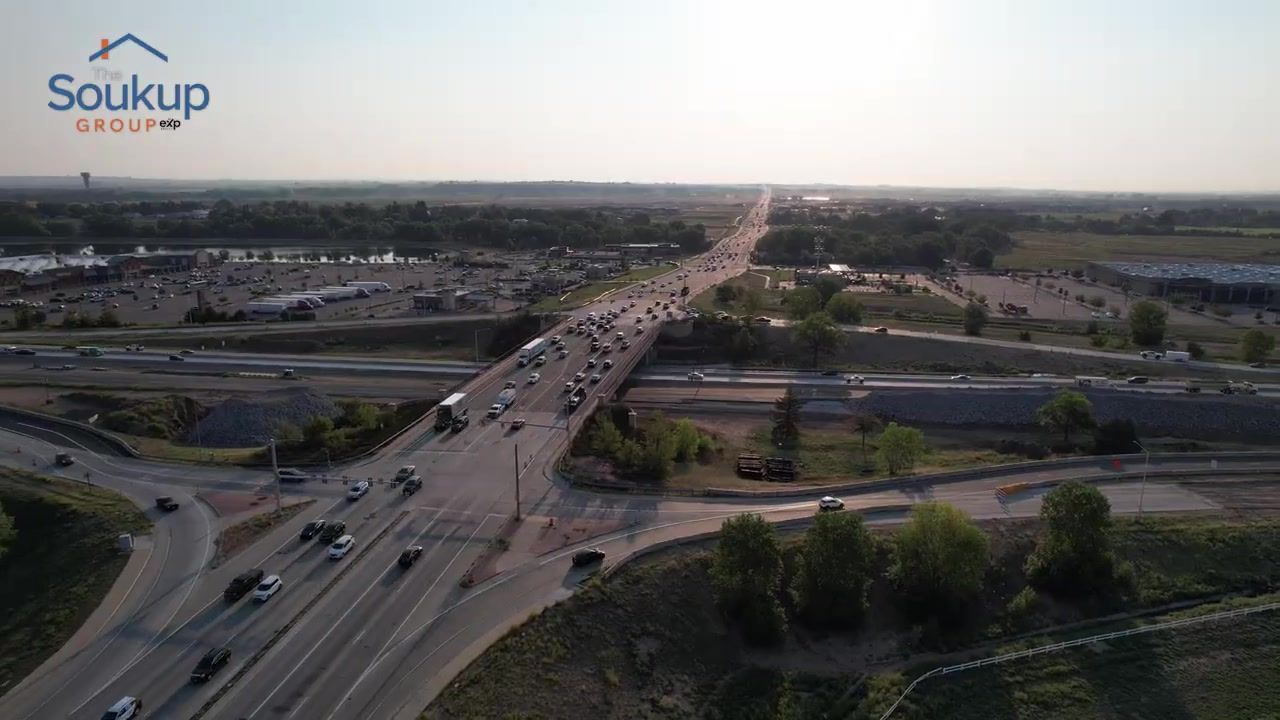
We start to map out your path. Are you going to rent first or buy first? Is this going to be an in-person trip or purely virtual? We talk about lender conversations to have and really start to dial in who you are and what you're trying to accomplish in the next six, twelve, eighteen months. These calls are important because you're going to open up Zillow and look at houses, and it's going to be a beautiful house, but it's not going to tell you how close that house is to the trailhead. It's not going to tell you what type of commute there's going to be back and forth. Are you going to cross the train tracks? The other house is five, ten minutes to I-25, and you're going to want to be on the south side versus the northwest if you're going to I-25 or DIA multiple times a month.
We're never going to steer you toward any type of school or school district. What we'll show you is where to go get some of that information, some of the ratings, reviews, our personal experiences. Then of course you've got to make that decision on your own. That might be while you're in town touring schools. There are a lot of local schools in the area that will give you a tour if you just give them a call. The Zoom call link is in the description. It's totally free. Honestly, it's one of my favorite parts. We start getting really excited about being a part of this person's, these people's, this partner's, this family's journey. We start to really nail down things and begin to build a significant relationship.
Step 3: Pick a Life, Not Just a House
Before we pick a house, we want to pick a life. What does a perfect Tuesday look like for you? How about a perfect Saturday? Do you want to be on the west side along the foothills where literally at your lunch break you can get out, get on your mountain bike, and go ride Lory State Park? Do you want to be on the southeast side where maybe there's more parks, green space, trails access? On the north side so you can get up to Poudre Canyon quickly to go fly fishing? Or do you need to be on the south side of Fort Collins or even Loveland to be closer to DIA because maybe once or twice a month you're going to have to commute down to Denver or DIA?
Are you truly looking for walkability where you want to go out, have a coffee, have dinner, and walk home? We're going to be looking at downtown and probably only downtown and Old Town Fort Collins. Or are you like, listen, I just dealt with a 1925 house, we had clients from St. Louis who said, I don't want to deal with anything older than 2010, I need newer stuff. We're probably going to be looking on the east side of Fort Collins, southeast Fort Collins, or east into Windsor and Timnath.
Or the reality is, hey, I'm moving to Fort Collins, I need the lifestyle that is Fort Collins, I'm willing to commute twenty, thirty minutes, but I need a little bit more affordability. We might start looking at Loveland, Johnstown, Severance, depending on what that is and what's driving it. That's a big part of that intro Zoom call: uncovering those desires and what's really pushing the move.
If you're reading this, I would write down before you jump on the Zoom call with us, or while you're on the Zoom call, talk to us about, your three non-negotiables and your top three nice-to-haves. Here are some ideas: commute time, trail access, walkability, lot size, garage, RV parking (which means you're going to be looking at HOA or no HOA), new build versus established neighborhood, mature trees. We had a client from Omaha, Nebraska, who thought for sure Fort Collins was the place for them. But ultimately, after driving around the area, it was quickly discovered that Windsor ended up being the choice based off of how new the homes were but still yet mature and established neighborhoods, a growing community, and still very close to Fort Collins. Those are the kinds of things we try to uncover and develop before we buy a $750,000 piece of property.
Step 4: Get Your Money Right Locally
We talk about getting pre-approved with a lender, and generally we push for pre-approvals with somebody local. Now, there are plenty of situations where maybe that isn't the case. Maybe your mom works for Rocket Mortgage or you've got a lifelong relationship with a lender and they do good by you no matter what. Those are totally acceptable and fine.
But I will say Fort Collins, one of the reasons why people love moving here, is it's big enough to be a big amenity draw, you've got the Costcos, the Walmarts, the restaurants, shopping, all that good stuff, but it's still small enough to not feel like you're just walking on top of everybody and you don't know anybody. If you've been in Fort Collins for any length of time, five, ten, fifteen years, you're going to start to build serious relationships. Working with a local lender can help us secure a property. They understand the home. They know what questions to ask. They can help you understand, is this in a metro district? Do we have an HOA? Are we looking at condos? Do we have any experience with these homes in the past? Like, oh, they have a reserve problem, or, oh man, we're going to be working with that lender or that agent on the other side. I've done a few deals with them. We can help explain your situation. You're a W-2, you're transferring, you're getting new work. We can definitely help on that side of things.
Working with somebody locally is something that we really push here in Fort Collins and Northern Colorado. One thing they can do too is they can connect you with insurance resources that they might have that can lower a premium, because that sometimes can make or break a deal. Generally speaking, insurance here is about 0.5% to 0.6% of the home value. But in certain situations, areas, hail can play a real factor, fire exposure. Those are going to be things that can truly impact. Having that relationship with somebody local can connect you, and so can we, with somebody on the insurance side of things.
If you want names of local lenders that our clients have had great experience with, that's one of the first things we're going to share with you on the intro call. We'll give you a warm introduction and they absolutely crush it for all of our relocation clients.
Step 5: Rent First or Buy? Four Ways to Land Here
At this point you've made the decision, you've got a plan, you know the life you want, and your money is lined up. Now comes the big question everybody asks me: do we rent first or do we just buy? The answer might surprise you because for a lot of people, it's not the one they expect.
There are four ways to land here and none of them are the right choice. It's really what fits your situation.
Long-Term Rental First: 6 to 18 Months
Live here for a season or two, learn the town, then buy with total confidence. The trade-off here is you're going to be moving twice. You're going to be paying rent and some people are kind of annoyed with that. But if you want to test drive the area, this is the safest way to do it.
Short-Term Furnished Rentals: 1 to 3 Months
You test drive neighborhoods while you're looking at homes actively. This is great if you're flexible and selling elsewhere. You could have a little bit of a higher short-term rental cost and there is a limited supply of short-term rentals, but we have had great success with the short-term furnished rental. Put your stuff in pods, find a home, be totally confident in that area before purchasing.
Scouting Trip and Buying: Weekend Warrior or Longer
You have a scouting trip, maybe multiple. Maybe you're the weekend warriors, you're two to four days here and you are just actively touring homes. You're writing an offer while you're in town and possibly even getting into the inspection while you're here. I would recommend, if you're wanting to do that, plan for at minimum three to four days, but on the high end, ten to fourteen days. That really gives you an opportunity to explore homes. We do have more supply than we've had in a long time here, but ultimately we're going to get it down to areas, neighborhoods, price points, budgets where we might have five, ten, fifteen homes to explore. We don't want to rush this decision, but that weekend warrior scouting trip and buying is a great way to get your boots on the ground, see the home in person.
Buying Fully Remote and Virtual
This is something we do a lot with clients but it gives us the most anxiety. We've done this maybe not hundreds-plus times, but probably nearing 100 times where we've bought with a client 100% virtually. Video tours, we are your eyes, ears, nose on the ground. I will say we've dialed in our systems. We know what to look for. We know what to show you: videos of surrounding neighborhoods, what are we smelling, what are we hearing, things that you can't necessarily see on pictures. We offer, get it under contract. Maybe at that point you come out for the inspection. Or we have also closed the day of closing. And even more than that, sometimes the first time a client even sees a property is a month or two after closing.
We worked with some clients from the Chicago area. We built some great trust relationship. We actually worked with them for over 18 months with a difference of 12 months between offers because we were trying to explore the area and build trust. But the first time they saw the house was actually a month after closing. There was just complete trust and I got total anxiety when they first saw it, and ultimately they did fall in love with the house. So it was a good thing.
Tips for Scouting Trips
If you're doing the weekend warrior type thing, I would suggest drive your future commute at rush hour. So 8 a.m. 5 p.m. Hit a weekday morning and a Saturday in the neighborhoods that are on your shortlist. Look where the grocery store is, the coffee shops, parks, trailheads. Try to live a normal day, not a vacation day. If you're getting a short-term rental rather than a hotel, try to get it in roughly the area.
Quick, if you're planning a scouting trip and you're not necessarily ready to jump on an intro Zoom call per se, reach out to us before you go. We'll help build an itinerary so you're not wasting a single hour while you're here. Yesterday I was sitting in the office and somebody was coming in from the Los Angeles area. I just heard them talking to my assistant and they're working with Izzy on a trip that is scheduled for today, a city tour. They built out an itinerary, but it was great to meet them. It was exciting to hear their excitement for this relocation. That's something we'd be happy to help with you: an itinerary while you're here on a scouting trip.
Step 6: Finding and Winning the Right Home
Now we are actually going to start house hunting. We're going to send you the homes that we feel match your criteria. Ultimately we make that time. We're going to write a strong offer in today's market: price, concession, inspection, closing terms, post-closing occupancy. It is truly a strategy, not just a number. I would suggest if you're interested in this market, even if you're two, three years out, sign up for our weekly newsletter. I'm giving a blurb of the Northern Colorado market and what's happening week to week. If that's important to you, definitely sign up for that.
We're going to take you through Colorado-specific inspection items. We're going to talk to you about what's radon. It's a naturally occurring gas that is carcinogenic, but it occurs across Colorado and there are easy ways to mitigate it. Sewer scopes. We've got homes built here in the early 1900s, but even homes that were built in the 2000s can have a sewer line that has a crack. For as little as $150, you're going to be able to save yourself $5,000, $10,000, $15,000 on negotiations.
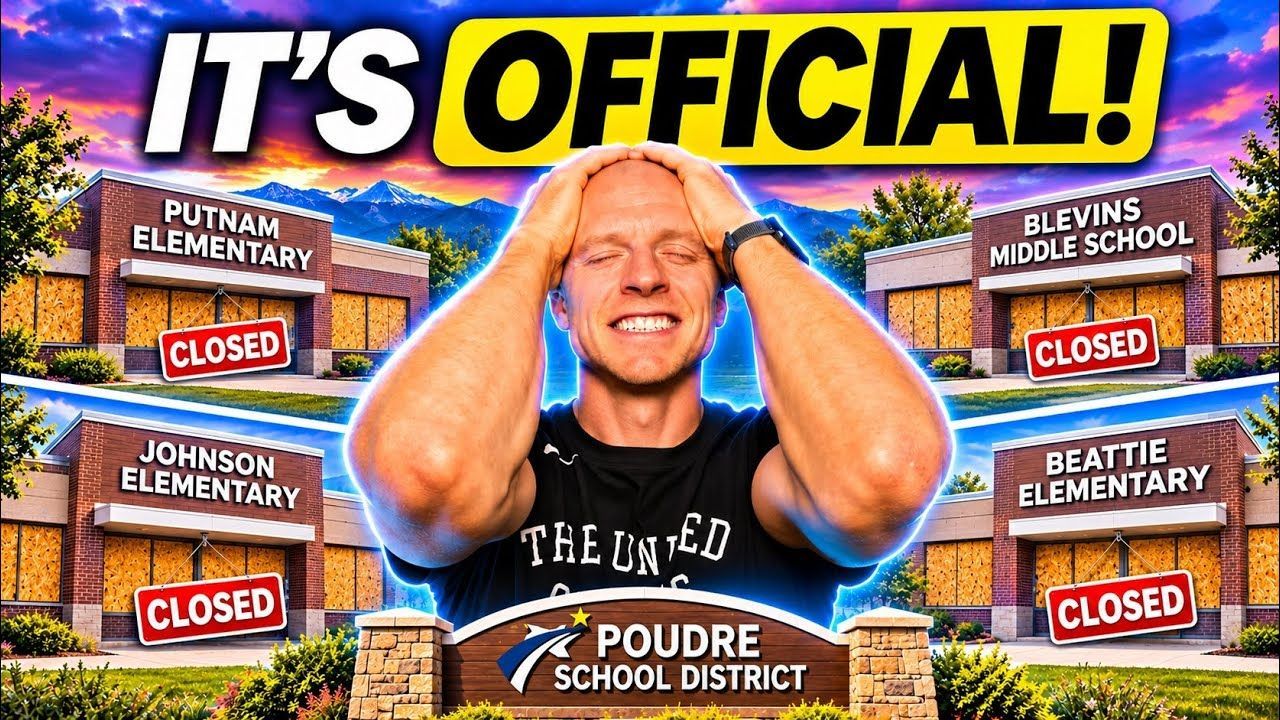
The roof. We're going to look at age, hail history. Can you save 25% on your deductible because of a 2019 policy that changed all roofs to be Class 4? We also know neighborhoods in the area where they might have foundation issues or other issues in the neighborhood with developments that are being fought. Or one of the biggest concerns really recently has been schools. Are they getting closed, consolidated? We have a less kid population that is attending our schools, and that's really across Colorado, across the United States. We can help you understand, is that school on the chopping block or is it a growing area and they're actually building new schools?
Step 7: Plug In to Love It, Your First 90 Days
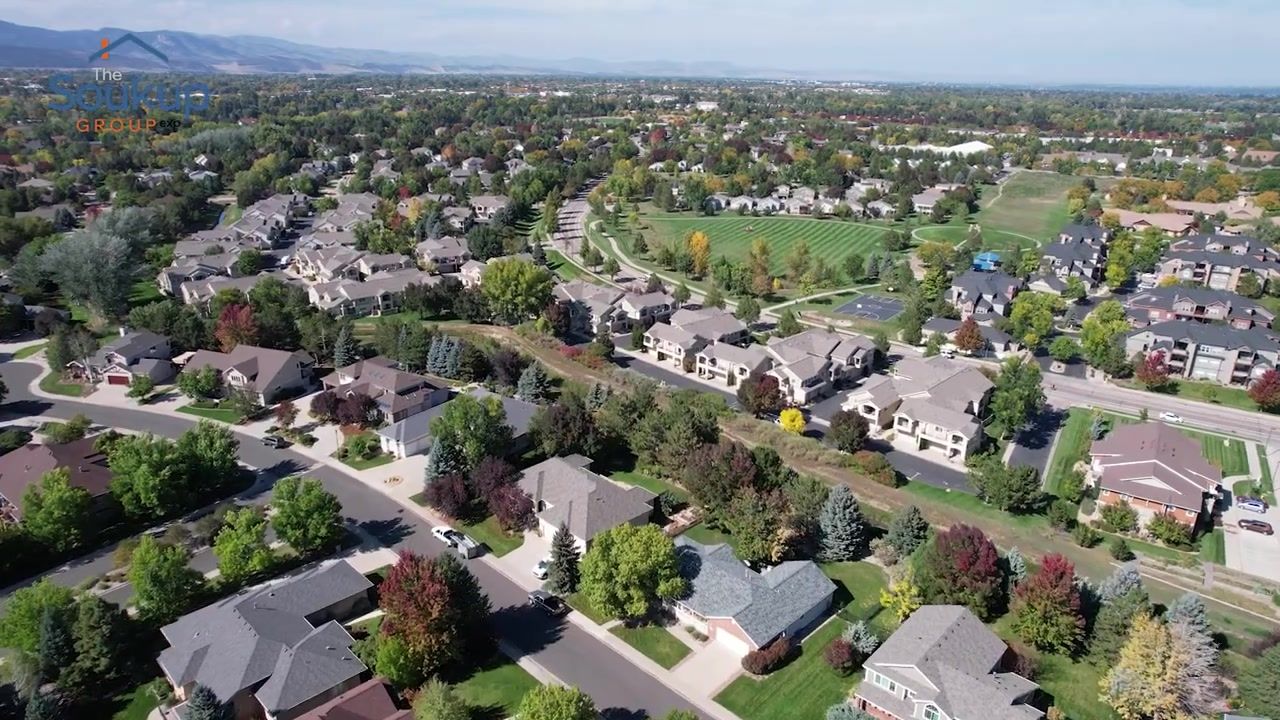
Here is the step that really nobody talks about because we all talk about landing spot, how are you going to rent or are you going to buy, lending, all that kind of stuff, exploratory trips. But here's what happens after you land and move into the house. You've got to plug in to love it.
Your First 30 Days: Practical Stuff
Your first 30 days is going to just be practical stuff. Obviously setting up your utilities before you arrive, city of Fort Collins connections. Pulse if you're in Timnath or Loveland for your broadband. That does take about three weeks, so we can help you through all that kind of stuff. You're going to get adjusted to the altitude. Drink more water than you ever have. You're going to want to wear sunscreen because we do have 300 days of sun and we're high up, so it does burn us redhead, blue-eyed, fair-skinned white guys pretty easily.
If you didn't test or if your radon tested low and you're concerned about it, test that thing every two years. If you're moving into winter or spring, have your furnace tested, your AC serviced, because we do have four seasons here. Whether that's cleaning up the leaves or changing out your filters or making sure you have ice melt if you're concerned about slipping and falling, if you have any ice, if you have a north-facing driveway, those are going to be things that you're going to want to take into consideration.
Your First 90 Days: Build Community
Your first 90 days, that's really the part that's going to make you love the area and be confirmed in your decision to make this massive move. In the first 90 days, say yes to everything. Neighborhood events, rec leagues, do a run club. If you're involved with a church or a community group, do that. Kids activities. These are all things that truly are going to push you to build a community.
Find your spots. Is that a coffee shop, a brewery? You love taking a specific trail. Going to a Saturday breakfast. My grandpa, my uncle, they have built a community that goes to the Breakfast Club on Saturday and have gone there for probably 20, 30, 40 years. Do the bucket list. Hit up Horsetooth depending on the season, float down the Poudre, go skiing, hit up Old Town on a summer night, check out a CSU basketball game.
You're going to want to learn the seasons. Your first winter, you're probably going to be scared, especially if you're coming from Florida, Texas, California, Arizona. But the reality is they're relatively mild. We can definitely get hit with some cold snaps and some snow, but you're going to want to get prepared and learn the seasons. You're going to get used to wind in the spring. Hopefully you don't have to experience a hailstorm in your first few years, but eventually you will in Northern Colorado.
After all of that, you're really going to start to become a local. But those first 90 days are critical to the success and longevity of your love for this area. The cool thing is my team and I, we don't disappear at closing. We can connect with contractor names, restaurant recommendations, gym recommendations. We get the call of like, hey, who do I use for X? And we love being an asset on your team. Like I said, I'm born and raised here in Fort Collins. My team, I think we calculated at one point, we have cumulative over 100 years in the area. We like to leverage that for our clients and make sure that they have the best experience possible.
On top of that, client events, trying to build this community. We have actually worked with, I think at this point, over 300 families that have bought, but probably close to 1,000 families that have relocated to the area over the last five, six years. We have been able to build communities of people who have become friends, book clubs of moms who have moved here that now are great friends. Those are definitely some of the things that we love to do.
Which Northern Colorado Town Is Right for You?
Fort Collins: Old Town Walkability and 300 Days of Sun
Fort Collins is the hub. It's northern Colorado, Larimer County, and it's big enough to have the amenities, Costcos, Walmarts, restaurants, shopping, all that good stuff, but it's still small enough that you're not walking on top of everybody and you don't know anybody. If you've been in Fort Collins for any length of time, five, ten, fifteen years, you're going to start to build serious relationships. That's one of the reasons people love moving here.
We have 300-plus days of sun. We have Old Town walkability. We have trails, Lory State Park, Horsetooth Reservoir, the Poudre River, the CSU campus. The outdoor recreation access is real. The west side near the foothills offers lunch-break mountain biking at Lory State Park. The southeast side has more parks and green space. The north side gives you quick access to Poudre Canyon for fly fishing. The south side is closer to DIA for frequent Denver commuters. Downtown and Old Town is the only truly walkable area for coffee and dining. The east side has newer homes, post-2010 construction.
Commute times and train track crossings matter for daily life. If you're going to I-25 or DIA multiple times a month, you're going to want to be on the south side versus the northwest. If you're working locally and want to be near the foothills, the west side makes sense. If you want newer construction and don't care about walkability, the east side is your spot.
Fort Collins is home to Colorado State University, Woodward Governor, OtterBox. We have early 1900s homes existing alongside modern construction. It's a strong relocation market with experienced local agents. My team and I have cumulative over 100 years in the area. I'm born and raised here. We like to leverage that for our clients and make sure they have the best experience possible.
What You Need to Know About Living in Fort Collins
The dislikes are real. We have wind in the spring. We have hail risk. We have winters with snow. We're at a higher elevation, 5,000 feet, so you're going to need an altitude adjustment. Drink more water than you ever have. Wear sunscreen because we have 300 days of sun and we're high up, so it burns us redhead, blue-eyed, fair-skinned white guys pretty easily.
Radon testing is recommended every two years. It's a naturally occurring gas that is carcinogenic, but it occurs across Colorado and there are easy ways to mitigate it. Sewer scopes are important even on 2000s-era homes. We've got homes built here in the early 1900s, but even homes that were built in the 2000s can have a sewer line that has a crack. For as little as $150, you're going to be able to save yourself $5,000, $10,000, $15,000 on negotiations.
Class 4 roofs, post-2019, can save 25% on your insurance deductible. There was a 2019 policy that changed all roofs to be Class 4. Insurance is typically 0.5% to 0.6% of home value, but hail and fire exposure can increase premiums. In certain situations, areas, hail can play a real factor. Having a relationship with somebody local can connect you with insurance resources that can lower a premium, and that sometimes can make or break a deal.
Some schools are facing closure or consolidation due to declining enrollment. We have a less kid population attending our schools, and that's really across Colorado, across the United States. We can help you understand, is that school on the chopping block or is it a growing area and they're actually building new schools? North-facing driveways may need ice melt in winter. Furnace and AC service is recommended before seasons change. We do have four seasons here, so whether that's cleaning up the leaves or changing out your filters or making sure you have ice melt if you're concerned about slipping and falling, those are things you're going to want to take into consideration.
Loveland: More Affordability, Closer to DIA
Loveland is northern Colorado, Larimer County, and it offers more affordability than Fort Collins. It's also closer to DIA than Fort Collins, which is a big deal if you're commuting down to Denver or flying frequently. Loveland is a good option for those needing the Fort Collins lifestyle but willing to commute twenty to thirty minutes for affordability.
If you're in Loveland, Pulse is your broadband provider, and it takes about three weeks to set up. Plan for that when you're moving in. Loveland has its own vibe, its own downtown, its own amenities. It's not Fort Collins, but it's close enough that you can get to Old Town or the foothills in twenty minutes. For a lot of buyers, that trade-off is worth it when you're saving $50,000 or $100,000 on the purchase price.
Windsor: Newer Homes in Established Neighborhoods
Windsor is northern Colorado, Weld County, and it's east of Fort Collins. It has mature trees, newer homes in established neighborhoods, and it's a growing community that's still very close to Fort Collins. Windsor appeals to buyers wanting post-2010 construction who don't want to feel like they're living in a brand-new subdivision with no trees and no character.
We had a client from Omaha, Nebraska, who thought for sure Fort Collins was the place for them. But ultimately, after driving around the area, it was quickly discovered that Windsor ended up being the choice based off of how new the homes were but still yet mature and established neighborhoods, a growing community, and still very close to Fort Collins. That balance of new construction and mature feel is what Windsor does well.
Timnath: Newer Construction Southeast of Fort Collins
Timnath is northern Colorado, Larimer County, and it's southeast of Fort Collins. It's known for newer construction. If you want homes newer than 2010 and you don't want to deal with anything older, Timnath is going to be on your shortlist. It's good for buyers wanting that new-build feel without going too far from Fort Collins.
Pulse is your broadband provider in Timnath, and it takes about three weeks to set up. Timnath is growing fast. It's not as established as Windsor, but it's close to Fort Collins and it's close to I-25 if you're commuting to Denver or DIA. The trade-off is you're giving up some of that mature neighborhood feel for newer construction and newer infrastructure.
Wellington: Northern Colorado Option
Wellington is northern Colorado, Larimer County. It's north of Fort Collins and it's another option in the region. Wellington has its own character and its own community feel. It's smaller than Fort Collins, smaller than Loveland, but it's part of the Northern Colorado ecosystem. If you're exploring the area and you want to see what's north of Fort Collins, Wellington is worth a look.
Berthoud: Larimer County Community
Berthoud is northern Colorado, Larimer County. It's another community in the region that offers a different vibe from Fort Collins. Berthoud is smaller, quieter, and it's part of the Larimer County network. If you're looking for something a little more removed from the Fort Collins hub but still within the county, Berthoud is an option.
Severance: Affordability with a Fort Collins Commute
Severance is northern Colorado, Weld County, and it offers more affordability. It's an option for those needing the Fort Collins lifestyle but willing to commute twenty to thirty minutes for lower prices. Severance is farther out, but for buyers who are budget-conscious and don't mind the drive, it's a way to get into the Northern Colorado market without stretching your approval to the limit.
Johnstown: Weld County Affordability
Johnstown is northern Colorado, Weld County, and like Severance, it offers more affordability. It's another option for those needing the Fort Collins lifestyle but willing to commute twenty to thirty minutes for lower prices. Johnstown is growing, and it's part of the Weld County network. If you're looking at Windsor or Timnath and the prices are still too high, Johnstown is worth exploring.
Fort Collins is the hub. It's the only place with true walkability in Old Town. It's the place with the most amenities, the most outdoor access, the most established community feel. But it's also the most expensive. If you need Fort Collins but you need more affordability, you're looking at a twenty- to thirty-minute commute to Loveland, Johnstown, or Severance.
If you want newer construction and you don't want to deal with anything older than 2010, you're looking at the east side of Fort Collins, Windsor, or Timnath. Windsor gives you that balance of new homes with mature trees and an established neighborhood feel. Timnath is newer construction, newer infrastructure, and it's close to I-25 if you're commuting to Denver or DIA.
If you're working locally and you want to be near the foothills for lunch-break mountain biking at Lory State Park, you're on the west side of Fort Collins. If you want more parks and green space, you're on the southeast side. If you want quick access to Poudre Canyon for fly fishing, you're on the north side. If you're commuting to DIA or Denver frequently, you're on the south side of Fort Collins or in Loveland.
Wellington and Berthoud are smaller Larimer County communities with their own character. They're worth exploring if you want something a little more removed from the Fort Collins hub but still within the county. The trade-off is you're giving up some of the amenities and walkability for a quieter, smaller-town feel.
The decision comes down to what you're willing to trade. Walkability for affordability. New construction for mature trees. Proximity to the foothills for proximity to DIA. There's no wrong answer. There's just the answer that fits your life.
Your 2027 Planning Timeline
Here's what you're going to want to do now through the end of 2026. Make the decision: is Fort Collins right for you? Especially if you're concerned about winter weather, now's a great time to come explore it. Can you survive that? Then jump on an intro Zoom call and really start to nail down a plan for 2027.
In the first couple of months of 2027, you're going to want to start to build that lifestyle blueprint. Get connected with a local lender, the sooner the better, especially if you haven't bought a house in a long time and you're getting financing. There are some things that pop up every now and again that if you have a few months to correct them, it's better than finding the perfect house, believing that you're going to be prequalified, and then having that rug pulled underneath you. If you're selling your current house in that area, you're going to want to start to get that thing ready. Home prep. If you're moving from an area and you don't have a recommendation, we've worked with so many of these areas with relocation agents that we can help you find one that is going to help you make it a smooth relocation. Relocation is kind of a niche deal. Not everyone does it. Not everyone does it all the time and not everyone does it very well. We'd be happy to help you on that as well.
At this time, also three to six months before you move, you're going to want to pick your landing strategy. Whether you're going to want to do a long-term rental, short-term scouting trip, or buying virtually, we definitely want to jump on that and understand your process sooner rather than later.
One to three months out before the move, that's really when we're going to start looking at houses seriously, making offers, and preparing that move for you and even the house, especially if there's needing to be some work done before you move in. That's going to be anywhere between 60 to 90 days. The contract period in Colorado is about 30 days, about 30 days or so to find a house, and then a 15-day buffer window on each side. That puts you mid-April, May, June, depending on that timeline. From there, you're going to want to land, plug in, and absolutely fall in love with your new community.
If you're targeting a late spring, summer of 2027 move, the best time to start is honestly right now. The people who start early really do get the best results. We start to learn so much more of who you are, what you're looking for, how we can best serve you, and that time period definitely starts sooner than later.
Conclusion: Start Your Fort Collins Move the Right Way
Those seven steps are what separate a smooth move from a stressful one. Make the decision. Hop on an intro Zoom call. Pick a life, not just a house. Get your money right locally. Choose your landing strategy. Find and win the right home. Plug in to love it in your first 90 days. That's the playbook.
If you're moving to Fort Collins or anywhere in Northern Colorado in 2027, Call/text us at 970-893-3533 or book a FREE consultation here. We can help set it up for you. The link is in the description. Whether you're three months out or three years out, it would be an honor to be an asset on your team. We specialize in relocation. We've worked with over 300 buyers who bought here and close to 1,000 who explored the area in the last five, six years. We know what works. We know what doesn't. We know the neighborhoods, the schools, the commutes, the trade-offs. We'd love to help you figure out exactly where you should be looking and even what neighborhoods might fit the lifestyle you're looking for.
FAQ: Moving to Fort Collins and Northern Colorado
What is the cost of living like in Fort Collins compared to other cities?
Fort Collins is more expensive than a lot of the surrounding towns like Loveland, Johnstown, and Severance, but it's the hub with the most amenities and walkability. Insurance is typically 0.5% to 0.6% of home value, but hail and fire exposure can increase premiums. If you need the Fort Collins lifestyle but need more affordability, you're looking at a twenty- to thirty-minute commute to surrounding towns.
Should I rent first or buy when I move to Fort Collins?
It depends on your situation. Long-term rental for six to eighteen months lets you learn the town before buying. Short-term furnished rental for one to three months lets you test drive neighborhoods while actively looking. A scouting trip of three to fourteen days lets you tour homes and write an offer in person. Buying fully remote and virtual is an option we've done close to 100 times, but it requires trust and a strong relationship with your agent.
What are the winters like in Fort Collins?
We have winters with snow. We're at 5,000 feet elevation. Your first winter is probably going to scare you if you're coming from Florida, Texas, California, or Arizona. The reality is winters here are relatively mild, but we can get hit with cold snaps and snow. You're going to get used to wind in the spring. Hopefully you don't have to experience a hailstorm in your first few years, but eventually you will in Northern Colorado. We do have 300-plus days of sun, so it's not all bad.
Which neighborhoods in Fort Collins are walkable?
Downtown and Old Town Fort Collins is the only truly walkable area for coffee and dining. If you want to go out, have a coffee, have dinner, and walk home, you're looking at downtown and probably only downtown. The rest of Fort Collins is more car-dependent, but you can be close to trails, parks, and outdoor access depending on which side of town you're on.
What should I know about schools in Fort Collins?
Some schools are facing closure or consolidation due to declining enrollment. We have a less kid population attending our schools, and that's really across Colorado, across the United States. We can help you understand if a school is on the chopping block or if it's a growing area and they're actually building new schools. We're never going to steer you toward any school district, but we'll show you where to get information, ratings, reviews, and our personal experiences. You'll want to tour schools in person when you're in town.
How long does it take to close on a home in Colorado?
The contract period in Colorado is about 30 days. You'll want about 30 days or so to find a house, and then a 15-day buffer window on each side. That's anywhere between 60 to 90 days from when you start seriously looking at houses to when you close. If you're targeting a late spring or summer 2027 move, you'll want to start looking one to three months out.
Living in fort collins x The Soukup Group
Expert market analysis and Northern Colorado lifestyle insights from the region's top 1% authority.
Stay ahead of trends
FORT COLLINS AND BEYOND Market UPDATES.
Go beyond the headlines with our deep-dive analysis into local real estate trends and economic shifts. We translate complex market data into actionable advice for homeowners and investors.